
The Future of the Door: How Tech is Reshaping Nightlife Security
Nightlife venues are reimagining the doorway experience, blending human judgment with digital tools to create safer, smoother, and more reliable entry for patrons.

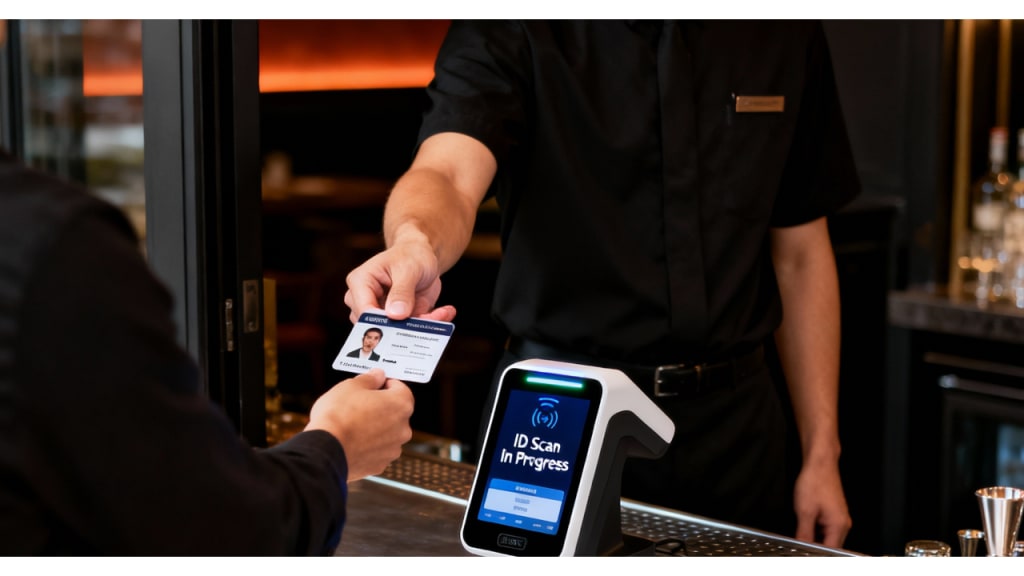
The entryway to a bar or club has always been more than just a door—it’s a checkpoint, a filter, and a preview of the experience inside. For decades, the ritual of handing over your ID to a doorman has symbolized a blend of authority, compliance, and the promise of belonging. Today, however, that process is undergoing a quiet but powerful transformation. In some nightlife districts, what used to be a paper-and-eye test has become a technological touchpoint, with tools like an ID scanner for bars shaping the way patrons access venues. The door is no longer just watched—it’s becoming wired.
Setting the Stakes
Age verification is not new, but the risks tied to it have changed dramatically. Fake IDs are more sophisticated, regulations are tightening, and the consequences for businesses that slip up are harsher than ever. At the same time, patrons expect smoother entry and less friction at the threshold. Bars and clubs are now balancing safety, compliance, and hospitality in a more complicated landscape. This shift isn’t about replacing people at the door but about supplementing their judgment with tools designed to catch what the human eye might miss.
The Tech Shift
Technology at the door isn’t limited to verifying ages. Today’s nightlife venues face rising concerns about overcrowding, underage drinking, and identity fraud. Tools such as digital verification devices, AI-driven scanners, and encrypted log systems are becoming common not only for compliance but also for creating data trails that protect venues in case of disputes or legal reviews. Doors are starting to mirror the wider digital world: data-aware, responsive, and increasingly automated.
Unlike the blunt experience of flashing a driver’s license at eye level, the new standard subtly combines security with efficiency. For operators, these solutions reduce human error. For patrons, they can mean shorter waits and fewer confrontations. For regulators, they promise greater reliability without demanding more personnel on-site.
From Manual to Digital
Manual ID checks, while familiar, are vulnerable to flaws. Lighting, fatigue, and human distraction all contribute to mistakes. In contrast, a ID scanner for bars can cross-check details in seconds and flag anything inconsistent. That doesn’t replace the doorman’s role—it changes it. Instead of straining to spot a carefully crafted fake, staff can focus on customer interaction, monitoring behavior, and maintaining the atmosphere inside. In many ways, automation at the door frees human staff to exercise judgment where it matters most—on the floor.
Balancing Safety and Experience
The tension between safety and hospitality is central to nightlife. Patrons don’t go out for surveillance; they go out to connect, celebrate, and enjoy themselves. If technology at the door feels intrusive or slows people down, it can backfire. Successful venues are finding ways to smoothly integrate new tools without breaking the rhythm of a night out. Privacy is part of the balance, too. Bars walk a fine line between compliance and over-collection of personal data. The challenge lies in reassuring customers that enhanced ID checks are about protection, not profiling.
The Bigger Picture
Nightlife is often an early adopter of cultural shifts in technology. Just as DJs pushed the boundaries of electronic music before it became mainstream, clubs and bars are experimenting with how security and access can evolve. These changes at the door reflect broader shifts: society’s demand for accountability, digital record-keeping, and seamless consumer experiences. Nightlife venues may be some of the first public spaces where people encounter this balance of safety and digital efficiency in action.
Looking ahead, the bar or club entrance will become an increasingly symbolic space—where analog rituals like flashing an ID blend with digital safeguards that quietly ensure safety and compliance. The convergence of hospitality and technology isn’t about replacing the human at the door, but empowering them with tools that reflect the realities of today’s nightlife. The future of the door is not about friction or suspicion but about ensuring the energy inside can thrive while minimizing the risks outside.
About the Creator
All Insights News
AIN is a passionate knowledge seeker dedicated to uncovering and sharing insights across diverse topics. Committed to continuous learning and clear communication, striving to enlighten and inspire through thoughtful exploration and analysis
Keep reading
More stories from All Insights News and writers in 01 and other communities.
When the Open Road Closes: Rethinking Access to Cars in America’s Disconnected Towns
For generations, the open road has symbolized possibility across the United States: freedom, mobility, and the promise of opportunity. Yet this iconic vision falters in many towns where reliable transportation is a daily hurdle rather than a given. As policymakers and residents grapple with the changing landscape, union plus auto buying program and similar initiatives hint at what’s possible when communities rethink car access.
By All Insights News6 months ago in 01
Reducing AI Integration Failures by 40% With the Right Generative AI Consulting Partner
In the rush to adopt cutting-edge technologies, many organizations have jumped into artificial intelligence projects without a solid strategy, experienced guidance, or realistic expectations. As a result, a growing number of businesses report stalled initiatives, failed integrations, or tools that never deliver meaningful ROI. But when organizations align with the right generative ai consulting services, the narrative changes — often dramatically. With expert support, companies can reduce AI integration failures by up to 40% and unlock the full potential of intelligent systems.
By Steve Waugh3 days ago in 01
Georges Chahwan: The Marketing Director Redefining Performance Strategy in Healthcare Staffing
In the competitive world of healthcare staffing, standing out requires more than a polished brand. It demands a marketing engine built on strategy, data, and relentless execution. Georges Chahwan, Marketing Director at ProMed Staffing Resources, has spent years engineering exactly that kind of engine. His approach combines technical SEO, digital advertising, and personalized email marketing into a cohesive system that doesn't just attract attention it converts.
By Jeffrey D. Gross MDa day ago in 01




Comments
There are no comments for this story
Be the first to respond and start the conversation.