
The Future of Security: How Biometric Devices Are Revolutionizing Access Control
Enhancing Security and Efficiency with Biometric Attendance Systems in Schools, Coaching Institutes, and Corporate Offices.
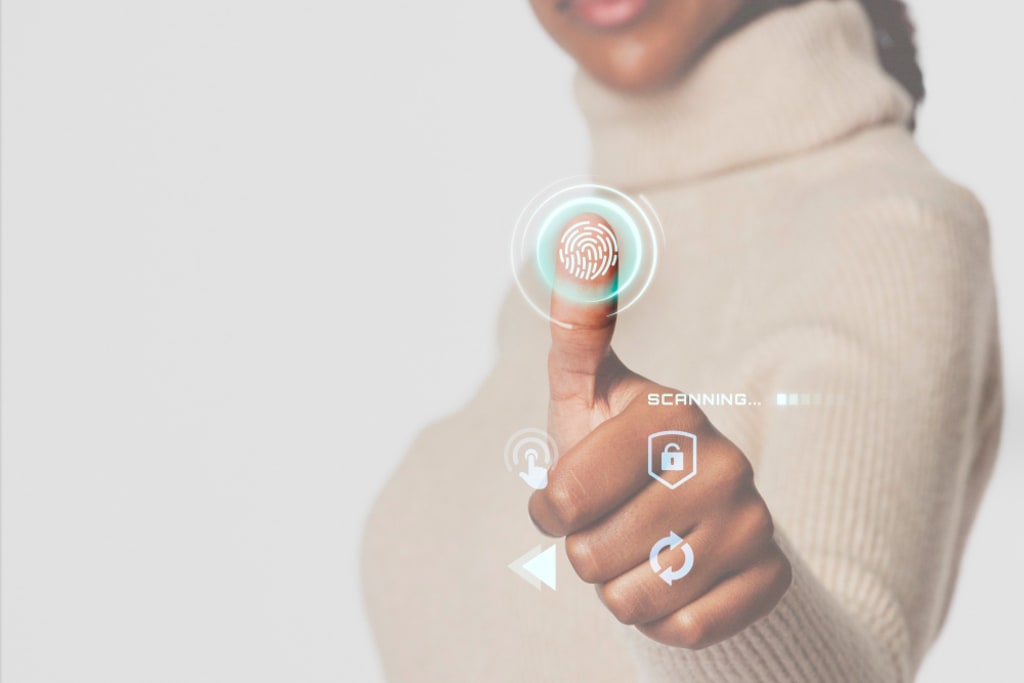
Ensuring security has always been a top priority for schools, coaching institutes, and corporate offices. For many years, traditional access control methods such as passwords, keycards, and PIN codes have been used to regulate entry. However, these methods have significant drawbacks, including the risk of stolen credentials, forgotten passwords, and unauthorized access.
With the advancement of biometric technology, access control has entered a new era. Devices that use unique biological traits such as fingerprints, facial recognition, and iris scans are transforming security in various industries. This shift is not only about enhancing security; it also focuses on improving efficiency, reliability, and ensuring seamless integration.
Imagine a coaching institute struggling with issues like proxy attendance or a corporate office dealing with time fraud. Biometric attendance system can effectively address these challenges. This article explores how biometric devices are revolutionizing access control and highlights NIalabs—a leader in biometric attendance solutions—while providing practical insights for schools, coaching institutes, and businesses.
The Rise of Biometric Technology in Security
Biometric security is no longer a futuristic concept—it’s a reality shaping how organizations control access. But why is biometric technology gaining traction?
How Biometric Access Control Works
Biometric access control systems use unique physiological and behavioral characteristics to verify identities. The most common types include:
- Fingerprint Scanning: Captures and stores fingerprint patterns for authentication.
- Facial Recognition: Analyzes facial features for fast, contactless access.
- Iris Scanning: Identifies individuals based on the unique patterns of their irises.
- Voice Recognition: Uses vocal patterns to verify identity.
Why Biometric Technology is More Secure
Unlike traditional access methods, biometric systems offer:
- Uniqueness: No two individuals have the same biometric features.
- Non-transferability: Unlike passwords or keycards, biometrics cannot be easily shared or stolen.
- Speed & Accuracy: Instant authentication minimizes entry delays.
- Reduced Fraud: Prevents buddy punching and unauthorized access.
These factors make biometric attendance systems an ideal choice for schools, coaching institutes, and corporate offices seeking enhanced security and efficiency.
Why Schools, Coaching Institutes, and Corporate Offices Need Biometric Access Control
Many institutions and organizations struggle with outdated access control methods. Here’s why adopting biometric solutions is a game-changer:
1. Enhanced Security
- Eliminates the risk of lost, stolen, or duplicated keycards and passwords.
- Restricts unauthorized access to sensitive areas.
- Provides a real-time log of entry and exit points for better security monitoring.
2. Accurate Attendance Tracking
- Prevents proxy attendance in schools and coaching institutes.
- Eliminates “buddy punching” (where employees clock in for each other) in offices.
- Generates automated attendance reports, reducing administrative workload.
3. Improved Efficiency & Convenience
- No need to remember passwords or carry ID cards.
- Faster authentication speeds up entry processes.
- Integrates with existing HR and security systems for seamless operation.
4. Cost Savings
- Reduces expenses on ID card issuance and management.
- Minimizes time fraud and payroll errors in corporate offices.
- Lowers administrative costs by automating attendance tracking.
Case Study: NIalabs – A Biometric Attendance Solution Provider
When it comes to biometric access control, NIalabs stands out as a trusted solution provider. Their biometric attendance system is specifically designed for schools, coaching institutes, and corporate offices to streamline security and attendance management.
How NIalabs Enhances Access Control
- Seamless Integration: Works with existing security and attendance management systems.
- Cloud-Based Monitoring: Provides real-time access logs accessible from any device.
- AI-Powered Accuracy: Advanced algorithms ensure precise identification.
- User-Friendly Interface: Easy to use for students, staff, and employees.
Real-World Success Stories
- A Coaching Institute in Delhi: Implemented NIalabs’ biometric system to combat proxy attendance. Result? 100% accurate student attendance records.
- A Corporate Office in Mumbai: Eliminated time fraud, increasing productivity and reducing payroll discrepancies.
- A School in Bangalore: Enhanced student security by ensuring only authorized individuals could enter the premises.
NIalabs continues to lead the way in biometric solutions, providing institutions with innovative tools to enhance security and efficiency.
Overcoming Challenges in Biometric Adoption
While biometric access control offers numerous benefits, some challenges need to be addressed for successful implementation.
1. Privacy & Data Security Concerns
Many institutions worry about storing biometric data. Solutions include:
- Data Encryption: Ensuring stored biometric data is encrypted and secure.
- Compliance with Regulations: Following industry standards for data protection (e.g., GDPR, India’s Data Protection Bill).
- Transparent Policies: Informing users about how their data is stored and used.
2. Cost Considerations
Although biometric systems may seem expensive, they provide long-term savings by:
- Reducing administrative costs.
- Minimizing fraud-related losses.
- Eliminating expenses associated with traditional ID cards and keycards.
3. User Acceptance & Training
- Staff Training: Educating employees and students on how to use the system.
- Gradual Implementation: Introducing the system in phases to ensure a smooth transition.
- Backup Access Methods: Providing alternative authentication methods for emergencies.
The Future of Biometric Security
Biometric access control is continuously evolving, with emerging technologies making systems smarter and more secure.
Upcoming Trends in Biometric Security
- AI-Powered Biometrics: Enhancing accuracy and speed.
- Multimodal Authentication: Combining fingerprint, facial, and iris recognition for added security.
- Contactless Solutions: Facial and iris scanning eliminating the need for physical touch.
- Integration with IoT & Smart Buildings: Automating access control for seamless entry.
As these technologies advance, the future of access control will be more secure, efficient, and user-friendly than ever before.
Conclusion
The rise of biometric devices is revolutionizing access control, offering schools, coaching institutes, and corporate offices an unprecedented level of security and efficiency. From preventing unauthorized access to ensuring accurate attendance tracking, biometric attendance systems are paving the way for a safer and more streamlined future.
NIalabs is at the forefront of this transformation, providing cutting-edge solutions that address the unique security needs of educational institutions and corporate environments. By embracing biometric technology, organizations can enhance security, reduce administrative burdens, and create a seamless access experience for students, employees, and staff.
As security needs evolve, one thing is clear: The future of access control is biometric. Are you ready to make the shift?
About the Creator
Keep reading
More stories from baileyemma and writers in 01 and other communities.
Instagram SEO: How to Get Found by More Users in Search
In the ever-evolving world of social media, Instagram SEO has become an essential strategy for digital marketers, small businesses, and content creators looking to stand out. As Instagram’s search functionality continues to improve, optimizing your profile and content for discoverability can make a significant impact on your growth and engagement. This guide will show you how to leverage Instagram SEO to connect with more users and grow your presence organically.
By baileyemmaabout a year ago in 01
Elon Musk called medical school "pointless," but Jeff Bezos wants Gen Z to finish college before starting their own companies — as AI threatens entry-level jobs
The job market is becoming volatile by the minute as generative AI becomes more prevalent and gains broad adoption across organizations worldwide. Last year, Salesforce CEO Marc Benioff revealed that the company is seriously debating hiring software engineers, citing "incredible productivity gains" from agentic AIs.
By Dena Falken Esq4 days ago in 01
How to Plan a Flawless SharePoint to SharePoint Migration?
SharePoint migrations might be complex, especially if you're not an IT expert or a professional user. Whether migrating from SharePoint to SharePoint Online or simply restructuring site collections between tenants, the process involves detailed planning and precision.
By Xanthe Claya day ago in 01
Wild Card Weekend Recap: What Happens Now?
I think I figured out why I love Wild Card Weekend so much. It's because it's the first playoff anything of the calendar year. The NFL season starts in the fall, and once upon a time, the champion was crowned either on or slightly before New Year's. The evolution of the NFL schedule has resulted in the playoffs starting just into the New Year, and currently, the final week of the season falls on the first weekend of the New Year, with Wild Card Weekend coming a week after that. So yes, chronologically, the NFL's Wild Card Weekend serves as the first playoff anything of the calendar year.
By Clyde E. Dawkins7 days ago in Unbalanced



Comments
There are no comments for this story
Be the first to respond and start the conversation.