
The Future of NFT Marketplaces: Opportunities and Challenges
Non-Fungible Tokens (NFTs) have taken the art world and beyond by storm, providing a new way to authenticate and sell digital assets. However, as the popularity of NFTs continues to grow, questions remain about the long-term sustainability and potential challenges of the NFT marketplace. In this article, we explore the opportunities and challenges facing the future of NFT marketplaces, and what it means for the future of digital art and collectibles.
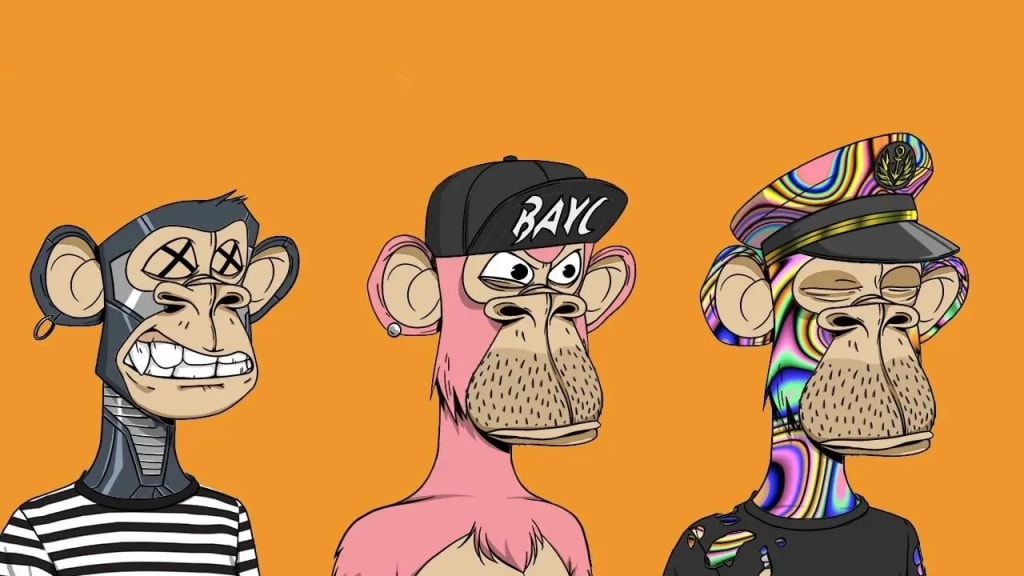
The future of NFT (non-fungible token) marketplaces is a topic of great interest and debate in the blockchain community. NFTs have exploded in popularity over the past few years, with everyone from artists to sports stars to musicians to internet celebrities getting in on the action. But what is the future of NFT marketplaces? What are the challenges and opportunities that lie ahead?
To understand the future of NFT marketplaces, it's important to first understand what they are. NFTs are unique digital assets that are stored on a blockchain. They are not interchangeable like traditional currencies, which are fungible. NFTs can be anything from digital art to virtual real estate to in-game items, and they have a unique value that is based on their rarity, uniqueness, and demand.
NFT marketplaces are platforms that allow people to buy and sell NFTs. They can be thought of as the digital equivalent of an art gallery or auction house. Some of the most popular NFT marketplaces today include OpenSea, Rarible, and SuperRare.
So, what does the future of NFT marketplaces look like? One major challenge facing the industry is the issue of scalability. The Ethereum blockchain, which is the most popular blockchain for NFTs, has struggled with scalability issues in the past, with high gas fees and slow transaction times. While there are other blockchains that offer better scalability, such as Solana and Polygon, the vast majority of NFTs are still created and sold on Ethereum. In order for NFT marketplaces to continue to grow and flourish, it will be important to address these scalability issues.
Another challenge facing the industry is the issue of sustainability. NFTs are often criticized for their high energy consumption, with some estimates suggesting that a single NFT transaction can consume as much energy as an entire household for a month. As the world becomes more environmentally conscious, it will be important for NFT marketplaces to find ways to reduce their energy consumption and become more sustainable.
Despite these challenges, the future of NFT marketplaces is still bright. One major opportunity for the industry is the potential for NFTs to disrupt traditional industries. For example, NFTs could be used to represent ownership of physical assets such as real estate or collectibles, allowing for more efficient and transparent transactions. NFTs could also be used in the gaming industry, allowing players to truly own and trade in-game items.
Another opportunity for NFT marketplaces is the potential for new and innovative use cases. For example, some artists are using NFTs to create interactive and immersive digital experiences that go beyond traditional art forms. Others are using NFTs to create digital identities or to represent membership in exclusive communities.
The future of NFT marketplaces will also be shaped by the regulatory landscape. Governments around the world are still grappling with how to regulate NFTs and other blockchain-based assets. Some have taken a cautious approach, while others have embraced the technology. As the regulatory landscape continues to evolve, it will be important for NFT marketplaces to stay up-to-date and comply with any new regulations.
In conclusion, the future of NFT marketplaces is both exciting and challenging. While there are still many obstacles to overcome, such as scalability and sustainability, there are also many opportunities for innovation and disruption. As the world becomes more digital and blockchain technology becomes more mainstream, NFT marketplaces have the potential to revolutionize the way we think about ownership and value. However, it will be important for the industry to stay vigilant and adapt to the changing regulatory and technological landscape.
About the Creator
Keep reading
More stories from Ahmet Hakan and writers in 01 and other communities.
Artificial Intelligence: Will It Change the Future of Humanity?
Artificial intelligence (AI) is an area of computer science that focuses on creating machines and systems that can perform tasks that would normally require human intelligence. This includes tasks such as natural language processing, image and speech recognition, decision-making, and more. In recent years, AI has become one of the most rapidly evolving and promising fields of technology.
By Ahmet Hakan3 years ago in 01
Handbags in Modern Fashion: Design, Function, and Consumer Perspectives
Handbags have long been more than simple accessories. Historically rooted in utility, they have evolved into cultural symbols reflecting personal style, social identity, and changing fashion trends. Today, handbags occupy a unique space where craftsmanship, branding, and consumer behavior intersect. From everyday carryalls to luxury-inspired designs, the handbag market continues to grow and diversify, especially among women seeking both practicality and visual appeal.
By charliesamuel7 days ago in 01
Understanding Handbags and the Growing Interest in Celine Bags
Handbags have long been more than simple accessories. Historically, they have served as practical carriers for personal items while also reflecting social status, fashion trends, and cultural identity. According to general fashion references, handbags evolved from small utility pouches into structured designs that balance function with aesthetics. Today, they occupy a central role in the global fashion conversation.
By charliesamuel7 days ago in 01
Wild Card Weekend Recap: What Happens Now?
I think I figured out why I love Wild Card Weekend so much. It's because it's the first playoff anything of the calendar year. The NFL season starts in the fall, and once upon a time, the champion was crowned either on or slightly before New Year's. The evolution of the NFL schedule has resulted in the playoffs starting just into the New Year, and currently, the final week of the season falls on the first weekend of the New Year, with Wild Card Weekend coming a week after that. So yes, chronologically, the NFL's Wild Card Weekend serves as the first playoff anything of the calendar year.
By Clyde E. Dawkins5 days ago in Unbalanced




Comments
There are no comments for this story
Be the first to respond and start the conversation.