
The Future of Digital Payments: 10 Trends to Watch For
Today, a digital revolution is sweeping the financial landscape, offering a plethora of new payment options that are not only convenient but also secure and data-driven.
Introduction
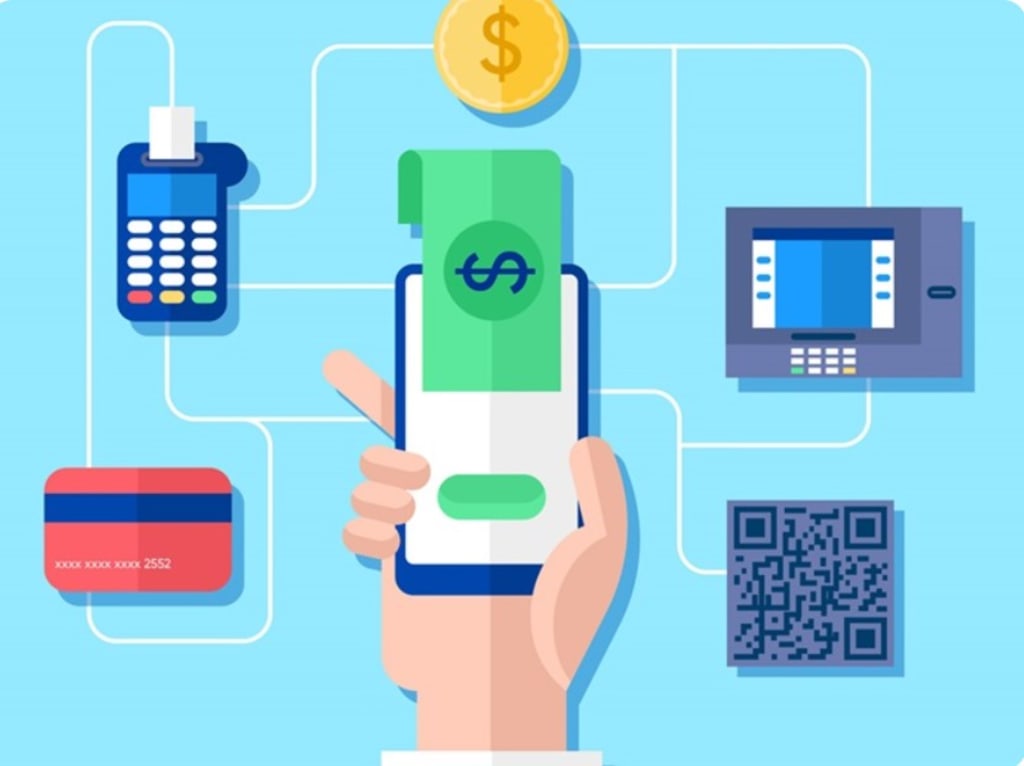
Today, a digital revolution is sweeping the financial landscape, offering a plethora of new payment options that are not only convenient but also secure and data-driven. From contactless transactions and mobile wallets to the rise of cryptocurrencies and the growing influence of FinTech (Financial Technology) companies, the way we exchange value is becoming increasingly digitized and personalized.
Mobile wallets, such as Apple Pay and Google Wallet, have gained widespread adoption, allowing users to make seamless transactions with just a tap of their smartphones. Meanwhile, digital wallets like PayPal are revolutionizing online commerce and peer-to-peer payments, offering convenience and security that traditional methods struggle to match. Cryptocurrencies, once considered a fringe technology, are becoming increasingly mainstream, with platforms like Bitcoin and Ethereum offering new avenues for financial transactions and investments.
As we move further into this digital age, understanding the nuances and potential of these emerging payment technologies is crucial for consumers, businesses, and policymakers alike. This article delves into the key trends shaping the digital payment landscape, examining the benefits, challenges, and future directions of this rapidly evolving sector.
Trend 1: Cashless Transactions
Consumers now enjoy greater convenience and speed in transactions, enabling them to make purchases with just a tap or click, without the need for physical cash. The rise of cashless transactions has increased due to the popularity of mobile wallets, credit/debit cards, and Automated Clearing House (ACH) transfers. This trend has significantly transformed both consumer behavior and business operations.
For businesses, electronic transactions facilitate faster processing of payments, reducing the wait times associated with cash handling and depositing. Additionally, businesses can tap into valuable data insights from cashless transactions, allowing for more targeted marketing strategies and improved customer service. However, this transition also presents challenges, such as the need to upgrade technology and systems to support cashless payments, and the risk of excluding customers who prefer or rely on cash.
Describing the country’s growth in digital public infrastructure, External Affairs Minister S. Jaishankar stated that the number of cashless transactions the United States does in three years, India does in a month.1 The total digital payment transactions volume increased at a CAGR of 45 percent from FY 2017-18 to FY 2022-23. During FY 2023-24, digital payment transactions have reached over 11,000 crores. (Statement by Union Minister of State for Finance Dr. Bhagwat Kisanrao Karad)2
While India has not completely transitioned into a cashless economy, the significant rise in digital transactions shows that digital has become the preferred mode, with cash being used selectively.
Trend 2: Contactless Payments
The growth of contactless payments such as mobile wallets and contactless credit cards, represents a significant shift in the landscape of financial transactions.
Mobile wallets have increased in popularity due to their convenience, security features, and the ability to integrate various payment methods into one digital platform. This shift is grown by the desire for faster, safer, and more convenient payment options, especially in the context of increasing online shopping and the demand for contactless interactions spurred by health concerns.
Similarly, contactless credit cards are on the rise due to their quick, secure, and touch-free payment capabilities. These cards use NFC (Near Field Communication) technology to enable users to complete transactions by simply tapping their card near a payment terminal, eliminating the need for physical swiping, or entering a PIN.
A report by The Times of India (TOI) Tech desk highlights 56 percent Year-on-Year growth in UPI transactions between July to December 2023. The total volume surged to 65.7 billion transactions, compared to 42.1 billion in the same period last year.3
Contactless cards carry potential risks, including unauthorized payments, Card Skimming, Data Interception, and a lack of Spending Monitoring. Understanding these dangers is important to protect your financial well-being. In the future, digital wallets will incorporate advanced technologies for increased security and transparency, artificial intelligence to offer personalized financial advice, and the Internet of Things (IoT) to enable payments through a wide array of connected devices.
Trend 3: Peer-to-Peer (P2P) Payments
The rise of Peer-to-Peer (P2P) payment apps such as Venmo and PayPal has significantly transformed personal and business transactions. These platforms offer users a convenient and efficient way to transfer money directly between individuals without the need for traditional banking intermediaries. For personal transactions, P2P apps have become a popular method for splitting bills, gifting money, and settling debts among friends and family.
For businesses, these apps have opened new avenues for accepting payments, particularly for small and micro-businesses, freelancers, and sole proprietors. They enable businesses to receive payments quickly and securely, improving cash flow and reducing the need for physical payment processing infrastructure. Additionally, integrating P2P payment systems into social media and e-commerce platforms has facilitated seamless transactions, enhanced the customer experience, and expanded the potential for digital sales.
The real security concern is that P2P payment apps make it easy to send someone money, but they don’t always make it easy to reverse or cancel a transaction. Because of this, criminals can use them to trick victims into transferring funds. Adding multifactor authentication to your account can keep someone else out, even if they have your username and password. Enabling app notifications and alerts can warn you if someone is using your account without your permission.
The global P2P payments market size was worth USD 2,219 billion in 2021. It is expected to reach USD 8,078.81 billion by 2030, growing at a CAGR of 17.53 percent during the forecast period 2022–2030.4
Trend 4: Buy-Now-Pay-Later (BNPL) Services
The Buy-Now-Pay-Later (BNPL) services have seen significant growth in popularity, revolutionizing consumer purchasing decisions and payment methods. These services allow consumers to purchase products immediately and spread the cost over a series of payments, often without interest or fees, provided payments are made on time.
BNPL services have been integrated across online and offline retail environments, making them a universal option for a wide range of products and services. This ease of access further increases their popularity and raises concerns about financial literacy and consumer protection. Regulatory bodies in various countries are beginning to scrutinize these services to ensure they offer transparent terms and protect consumers from unfair lending practices.
Fintech firms are experiencing a huge demand for BNPL services for both online and offline purchases in India. BNPL payment adoption is expected to grow steadily over the forecast period, recording a CAGR of 12.2 percent during 2023-2028. The BNPL Gross Merchandise Value in India will increase from USD 12.2 billion in 2022 to reach USD 26.1 billion by 2028.5
The highly automated nature of BNPL lending, with instantaneous credit decisioning and frequent strong reliance on third parties, may present elevated operational risk, including fraud risk. Despite these concerns, the convenience and flexibility of BNPL services continue to drive their expansion, directing a lasting impact on consumer finance and retail industries. Read more...
About the Creator
Google's Sergey Brin admits he's hiring 'tons' of workers without degrees: 'They just figure things out on their own in some weird corner'
Google’s Sergey Brin admits he’s hiring ‘tons’ of workers without degrees: ‘They just figure things out on their own in some weird corner’
By Dena Falken Esq5 days ago in 01
How to Choose the Best Website Maintenance Company in India for UK Businesses
In today’s fast-paced digital world, a company’s website is often its most important business asset. For UK businesses, maintaining a high-performing, secure, and up-to-date website is critical to attracting customers and staying competitive. However, managing website upkeep in-house can be resource-intensive and time-consuming. This is why many UK businesses turn to professional website maintenance companies in India.
By Dyna Gilberta day ago in 01



Comments
There are no comments for this story
Be the first to respond and start the conversation.