
The Firewall Hero
He Hacked for Justice. He Fought for Peace

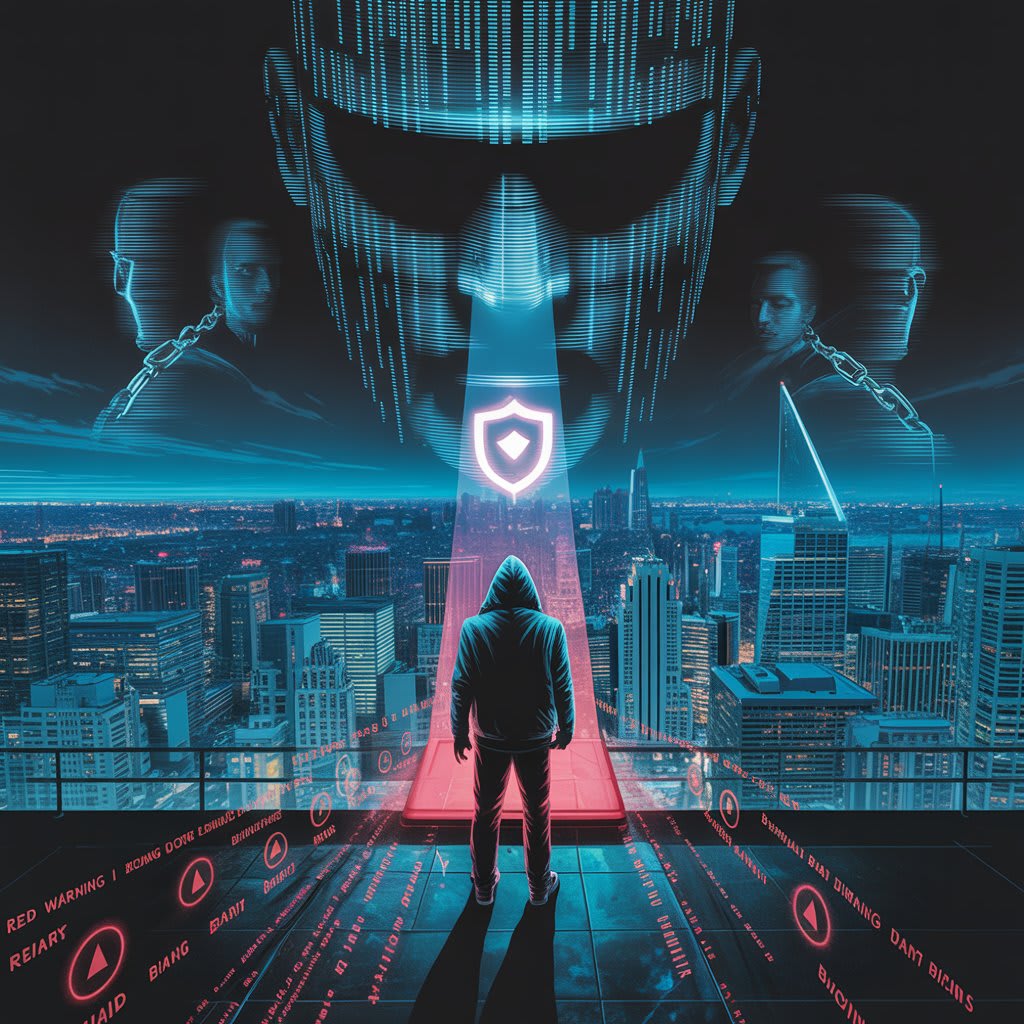
Part 1: The Man Behind the Monitor
To the world, Arin Vale was just a quiet cybersecurity consultant. He worked from a cluttered home office, fueled by caffeine and code. But online, he was known by another name: "Sentinel."
While hackers across the globe caused chaos, stole identities, or sold sensitive data, Sentinel was the light in the dark. A white hat hacker. An ethical coder. A digital vigilante.
But Arin didn’t just patch company firewalls or stop phishing scams—he hunted monsters.
Real monsters.
Armed militias using encrypted forums to trade weapons. Child traffickers using coded chats to avoid the authorities. Rogue hacker groups that blackmailed hospitals for ransom.
When law enforcement couldn’t infiltrate their layers of anonymity, Sentinel did.
And he made them disappear.
Part 2: The Red Circle
One evening, Arin received a tip from an underground source: a darknet forum named "The Red Circle" had surfaced, and it wasn’t just talk—it was planning action.
On the surface, The Red Circle was just another group of radicals sharing manifestos. But underneath, it coordinated violent plots: arson, bombings, targeted assassinations.
Using multiple proxies, Arin gained access to the group’s inner threads. He watched them live-test explosives on grainy videos. He saw their leader—a masked figure known only as “Crucible”—command loyalty from thousands.
But what stopped Arin cold was the date mentioned in one of their encrypted files:
“Operation Reign: 10/22. Downtown Station. Max casualties.”
That was just nine days away.
Part 3: Hacking the Hive
Arin didn’t waste time.
Using a series of exploits, he mapped out the IP chains used by The Red Circle’s members. It wasn’t easy—they used bounce-back servers across five continents, military-grade encryption, and double obfuscation.
But Sentinel was a ghost in the machine.
He injected a silent trace into their codebase, giving him real-time access to Crucible’s commands. Slowly, like a digital surgeon, he dissected their plans: where the bombs were hidden, who was involved, even which hotels the attackers were staying in.
He documented everything and delivered a full report to Interpol’s Cyber Division under his anonymous signature.
The response was swift.
Six simultaneous raids across Europe and the U.S. brought down over 50 members of The Red Circle. Arin watched the news unfold from his chair, the glow of his monitors reflecting in his tired eyes.
But Crucible was still out there.
Part 4: Face to Face with Fire
Arin traced Crucible to a VPN node registered to a private network in Ukraine. It was time to finish this.
With gloves on the keyboard and headphones tuned to alert tones, he launched Project Aegis, his own creation—a cyber-weapon designed to overload and permanently disable high-security servers.
As Crucible logged into the forum, Arin struck.
Code flooded the server. Logic bombs exploded silently in the data, melting through Crucible’s security like acid. Arin bypassed his firewalls, crashed his communications, and then—he triggered the kill switch.
Gone. Crucible’s entire online identity was deleted. Backups? Corrupted. Bitcoins? Drained and sent to charities aiding victims of terror.
It was over.
Part 5: The World Finds Out
For years, Arin had operated in shadows. But this time, the UN Cybersecurity Task Force received the full log report—anonymized, yes—but they’d seen that signature before.
Sentinel.
Media outlets exploded with headlines:
📰 “Mysterious Hacker Sentinel Saves Thousands from Planned Bombing”
📰 “Anonymous Hero Exposes and Dismantles Terror Cell Using Just a Laptop”
📰 “Digital Vigilante Sentinel Awarded United Nations Peace Medal”
Arin never stepped forward. But someone from Interpol eventually traced breadcrumbs—not enough to arrest, but enough to thank him.
They offered him immunity and protection in exchange for his continued help.
He agreed—under one condition:
“I work alone. No fame. No cameras. Just let me keep helping.”
Part 6: Rewarded and Respected
Six months later, Arin stood in the back row of a private Geneva ceremony. He wore a mask—not out of fear, but to stay true to his legend.
He was awarded the UN Peace Medal for Civilian Bravery in Cyber Defense—a first of its kind.
In the crowd were victims of the planned Red Circle attacks. Survivors who would never know who truly saved them.
He returned to his apartment, pulled the curtains closed, and quietly resumed his work.
The world would never see his face. But if evil ever returned to the web’s dark corners, they’d feel his presence—because Sentinel was always watching.
About the Creator
Syeed Zeeshan
Software engineer with a passion for coding, digital marketing, and crypto (Binance). Tech-savvy, football lover, and always exploring new trends in tech, finance, and innovation.
Keep reading
More stories from Syeed Zeeshan and writers in 01 and other communities.
The Last Login
Liam Reddick wasn’t your typical 17-year-old. While most kids his age obsessed over video games and social media trends, Liam spent his nights poring through lines of code, testing firewalls, and decoding vulnerabilities in obscure systems. He didn’t hack for money or fame—he hacked for the thrill.
By Syeed Zeeshan10 months ago in 01
Symbols of Leadership and Loyalty in Soccer
Soccer is often described as a universal language. People from different cultures, countries, and backgrounds can understand the excitement of a match without needing translation. Beyond the action on the field, the sport is also filled with traditions and symbols that help define the experience for players and fans alike. Among the most recognizable are the captain's armband worn by team leaders and the flags and pennants displayed proudly in the stands.
By charliesamuel3 days ago in 01
The Fall of a Legend: How uTorrent Betrayed Its Users and Became a Symbol of "Digital Treachery" ⚠️
Do you remember that moment? You installed a small .exe file that took up just a few hundred kilobytes—smaller than an average photo from back then. The program launched in a split second, didn't require account creation, didn't bombard you with notifications, and didn't ask for access to your private data. It simply did what it was designed to do: it connected you with millions of other users worldwide. For the generation raised in the era of "downloading everything," uTorrent was more than just a tool. It was a gateway to unlimited culture, music, and software. It was a synonym for internet freedom that no one controlled. 🌍
By Piotr Nowak5 days ago in 01
Author’s Advice
If you would’ve asked me 20 years ago did I know I’d become a writer and an author, I would’ve said “nope, ain’t happening”. As fate would have it I did become an author and I can honestly say I’m loving it so far. It really does feel good to be a writer. I’ve learned a lot on this journey and I feel like with even me being as new to this world as I am, there’s some wisdom I need to share with every other aspiring author.
By Joe Patterson4 days ago in Journal




Comments
There are no comments for this story
Be the first to respond and start the conversation.