
The Fake Me: How I Was Hacked by My Own Face
They didn’t need to break into my home. Just my Instagram. What they stole wasn’t money—it was me.

1. My Life, Curated
I never considered myself “Instagram famous.”
But I had a decent following—around 18,000 people who liked my travel reels, coffee aesthetics, and perfectly filtered life updates. I wasn’t a model. I wasn’t an influencer. I was just Sam Reed, a freelance graphic designer who posted often and styled everything to look just right.
And maybe that was the problem.
Because I didn’t realize I was giving away far more than photos.
I was handing over my life, one post at a time.
2. The Message That Wasn’t Me
It started small.
A friend DM’d me late one night:
“Hey… weird question. Did you just send me a crypto link?”
No, I hadn’t.
Then another message came. Then three more.
“Why are you asking people for money?”
“Is this a scam?”
“Did your account get hacked?”
I logged in. Still had access. Everything looked fine. But then I checked my profile.
And that’s when I saw it:
There were two accounts.
Mine… and a clone.
Same profile photo. Same bio. Same posts, copied exactly.
But the handle was different: @samm_reedd instead of @sam_reed.
A double "m" and double "e". Almost no one noticed.
And that fake version of me?
Was sending messages to my followers. Promoting crypto schemes. Selling “art commissions.” Even asking people for personal info.
They weren’t just impersonating me.
They were becoming me.
3. Digital Identity Theft
I reported the fake profile. So did my friends. But Instagram’s response was slow, generic, and robotic.
Meanwhile, the fake Sam was scamming people in real-time.
A longtime follower DMed me in a panic:
“I just paid you $300 for a design package. You said you needed it upfront.”
That hit me like a punch in the chest.
I tried to explain. She didn’t believe me.
Why would she? The messages were friendly. Detailed. Personal. They used my exact tone. Even inside jokes I’d posted publicly. The scammer had done their research.
They'd scraped my captions, watched my stories, copied my writing style.
They were studying me to be me.
4. The Slow Collapse
Soon, things got worse.
My real account was locked out after multiple failed login attempts.
My email inbox was flooded with password reset links.
Then my PayPal was flagged for “suspicious activity.”
They weren’t just pretending to be me anymore.
They were trying to take over everything I owned online.
I called it digital identity theft.
But it wasn’t just digital. It felt personal. Like someone had followed me home, unpacked my life, and started using it without asking.
And the worst part?
They’d done it with public information I gave them willingly.
My birthday was in a story highlight.
My dog’s name—my security question—was in half my captions.
My email was linked to my bio.
Even my freelance rates were visible.
They didn’t break in.
I left the door wide open.
5. The Recovery Wasn’t Instant
It took two weeks.
Dozens of reports, calls, and emails. I had to verify my ID, change every password I’d ever used, and freeze my credit out of caution.
I lost clients during the chaos. Lost followers. Lost trust.
The fake account was eventually taken down.
But by then, the damage was done.
And all I could think was:
“How did I let this happen?”
6. What I Know Now
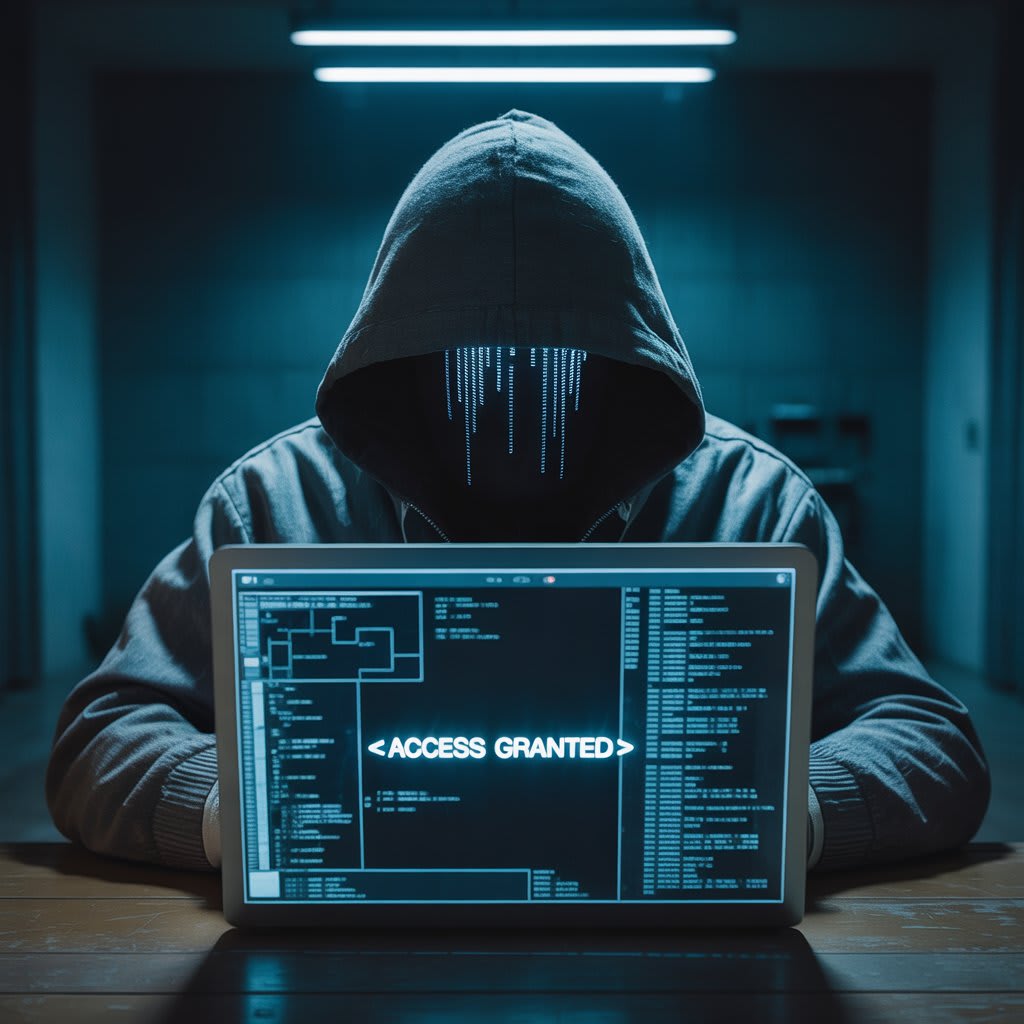
I used to think cybersecurity was for businesses. Banks. Nerdy hackers in hoodies.
Not me. Not a designer with an iPhone and a love for filters.
But I was wrong.
Because the moment you post online—your face, your voice, your habits—you become a brand. A target. A data source.
And if someone wants to hijack your identity, they don’t need a password.
They just need a window. And we give them windows every single day.
7. How You Can Protect Yourself
I won’t lie. This whole thing broke something in me. But it also rebuilt something stronger.
Now, I teach workshops for creators and freelancers on how to lock down your online life. The basics aren’t flashy—but they work.
Here’s what I tell people:
Turn on 2FA (Two-Factor Authentication). Everywhere. Always.
Use a password manager. If you reuse passwords, you’re playing with fire.
Keep your personal info off public posts. No birthdays, addresses, pets, or schools.
Google yourself regularly. See what strangers see.
Report imposters fast—and warn your followers.
Also: Don’t overshare. Privacy is power.
8. Final Thoughts: Don’t Wait
If you’re reading this and thinking,
“I’m too small. No one would target me.”
Think again.
Hackers don’t care about your follower count. They care about your access, your identity, and your network.
I was just a normal person with a pretty feed—and that was enough.
So let my story be your line in the sand.
Because the fake me almost destroyed the real one.
Author’s Note:
This story is based on real impersonation and account hijacking cases. Names and details have been changed. But the threat is very real—and growing.
“Have you ever been hacked or impersonated online? Share your story in the comments—let’s protect each other.”
About the Creator
Syeed Zeeshan
Software engineer with a passion for coding, digital marketing, and crypto (Binance). Tech-savvy, football lover, and always exploring new trends in tech, finance, and innovation.
Keep reading
More stories from Syeed Zeeshan and writers in 01 and other communities.
The Role of Custom Watch Straps in Personalizing Timepieces
Watches have long been appreciated not only as tools for telling time but also as objects that reflect personal style and craftsmanship. While many discussions focus on the movement or the case design, the watch strap plays a crucial role in shaping how a watch feels and appears on the wrist. Over time, collectors and everyday wearers alike have shown increasing interest in customization, particularly in solutions that allow a watch to adapt to different styles and situations.
By charliesamuela day ago in 01

Comments
There are no comments for this story
Be the first to respond and start the conversation.