
The Evolution of Modern Bifold Doors: Design Meets Functionality
Modern Bifold Doors

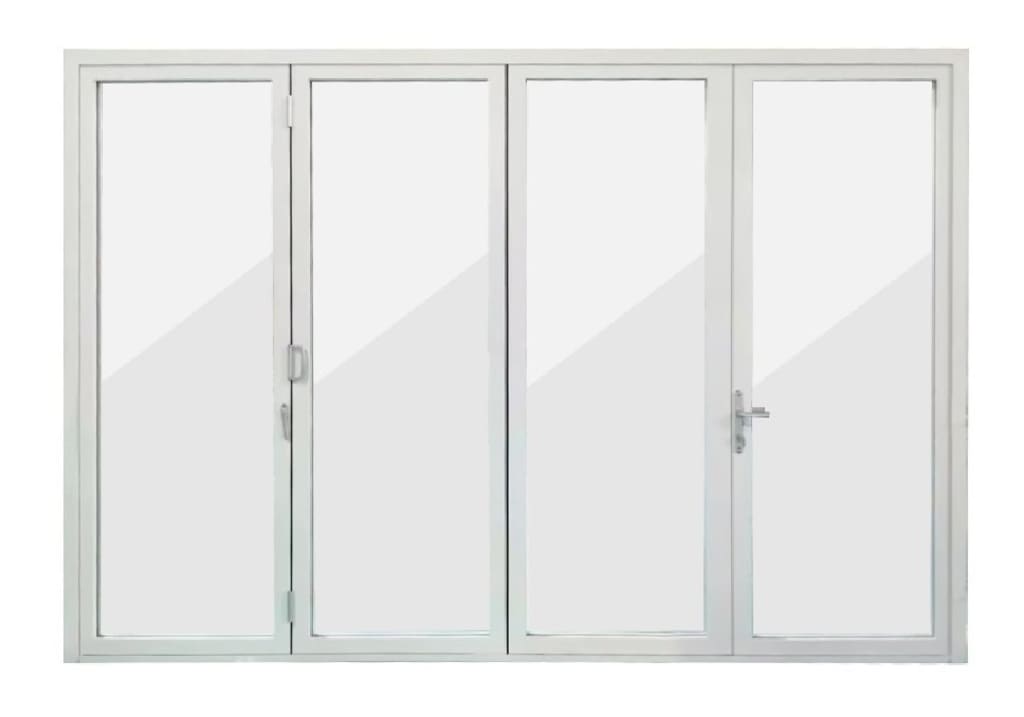
In the ever-evolving world of architectural innovation, bifold doors have emerged as a versatile design element, combining aesthetic appeal with practical utility. These doors, once considered a luxury, are now becoming a mainstream architectural feature in both residential and commercial spaces. The journey from traditional wooden panels to today’s sleek aluminum and glass constructions reveals a remarkable evolution where design meets functionality.
This article explores the history, advancements, benefits, materials, and design innovations that define modern bifold doors, helping you understand why they are a staple in contemporary living.
A Brief History of Bifold Doors
The Origins of Bifold Door Concepts
Though bifold doors feel like a modern-day innovation, their concept dates back centuries. Early folding doors were used in ancient Roman villas and traditional Japanese homes, where space-saving and openness were paramount. The folding mechanism was primarily crafted from wood, enabling wide openings that connected indoor and outdoor spaces effortlessly.
Transition into Modern Architecture
As architectural tastes evolved in the 20th century, the need for larger, more open spaces influenced the rebirth of bifold doors. Initially popular in commercial settings, the trend gradually seeped into homes. Innovations in glass, aluminum, and track technology helped reshape them into more durable, efficient, and elegant versions suitable for modern interiors.
Modern Bifold Door Design Features
Streamlined Aesthetics
Today’s modern bifold doors are crafted to complement contemporary architecture. Their minimalist design emphasizes clean lines, large glass panes, and narrow frames. Whether closed or open, they create a seamless flow between interior and exterior environments.
Customization & Versatility
From frame colors and materials to glass types and configurations, modern bifold doors offer exceptional customization. Homeowners can tailor the door systems to suit unique architectural styles, whether it’s a rustic farmhouse, urban loft, or coastal villa.
Slimmer Profiles with Greater Strength
Advanced materials like aluminum alloys and reinforced uPVC allow for slimmer profiles without compromising on strength. These modern materials also contribute to better energy efficiency and security.
Key Functional Advantages of Modern Bifold Doors
Maximize Natural Light
One of the standout benefits of bifold doors is their ability to flood interiors with natural light. Their expansive glass panels reduce the need for artificial lighting and help enhance mood and productivity.
Indoor-Outdoor Living
The evolution of bifold systems makes it easier than ever to blur the lines between indoors and outdoors. With a simple push, homeowners can transform living rooms into open terraces, perfect for entertaining or relaxing.
Space-Saving & Flexibility
Unlike traditional swing doors, sliding bifold doors stack neatly to the side, requiring minimal space. This makes them ideal for areas where space is limited but functionality cannot be compromised.
Improved Security and Insulation
Modern bifold door systems are designed with multi-point locking mechanisms and thermal break technology. This provides enhanced security, insulation, and energy efficiency, essential for sustainable living.
Materials Used in Modern Bifold Door Manufacturing
Aluminum
Aluminum is currently the most popular material in modern bifold doors. It offers:
Slim frames with large glass spans
Corrosion resistance
Low maintenance
High strength-to-weight ratio
These properties make aluminum bifold doors a top choice for architects and homeowners alike.
uPVC
uPVC bifold doors are an economical choice and offer good insulation. While not as sleek as aluminum, they still provide:
Cost-efficiency
Low maintenance
Good thermal performance
Timber
Wooden bifold doors offer a warm, natural aesthetic and can suit traditional homes. Modern treatments have improved their durability, but they require more maintenance compared to aluminum or uPVC.
Composite
Combining materials like wood and aluminum, composite bifold doors offer the best of both worlds — beauty and durability. These doors tend to be more expensive but provide premium performance and visual appeal.
Smart Technologies in Bifold Doors
Integration with Smart Home Systems
With the rise of smart homes, bifold doors are now equipped with automated locking systems, motorized operation, and sensors. You can control them via smartphone apps or voice assistants like Alexa and Google Home.
Energy-Efficient Glass Options
Modern bifold systems use double or triple-glazing, argon gas fills, and low-E coatings to maintain indoor temperatures, reduce noise, and enhance comfort.
Design Trends Shaping the Future of Bifold Doors
Frameless Glass Panels
Frameless or ultra-slim designs are trending in luxury homes, where the emphasis is on uninterrupted views and natural aesthetics.
Bold Color Choices
While black and white are classic choices, bold hues like deep navy, forest green, or even matte bronze are gaining popularity in bifold door designs.
Corner and Curved Bifolds
Architects are pushing boundaries with corner-opening and curved bifold doors, offering panoramic views and architectural drama.
Installation Considerations for Bifold Doors
Structural Requirements
Before installing bifold doors, consider if your wall can bear the load, especially for large spans. Reinforcement may be necessary.
Professional Installation
Improper installation can lead to alignment issues, air leaks, and poor security. It’s best to hire professionals with experience in modern bifold door systems.
Conclusion
The evolution of modern bifold doors reflects a perfect balance between design and functionality. From ancient wooden folding panels to cutting-edge smart systems, bifold doors have come a long way. They enhance aesthetics, improve functionality, and offer unmatched flexibility for modern living spaces.
Whether you’re renovating your home or designing a new space, bifold doors can be the key element that transforms how you live, entertain, and interact with your environment.
FAQs
Q1: Are bifold doors better than sliding doors?
Bifold doors offer wider openings and flexibility, while sliding doors provide uninterrupted glass views. The choice depends on your space and design preferences.
Q2: Do bifold doors add value to a home?
Yes. Modern bifold doors enhance aesthetic appeal, improve natural lighting, and increase the property’s market value.
Q3: Are bifold doors energy-efficient?
Yes, especially when fitted with double or triple-glazed glass, weather sealing, and thermally broken frames.
Q4: Can bifold doors be used indoors?
Absolutely. Interior bifold doors are excellent for dividing rooms or creating flexible living spaces without permanent walls.
Q5: How long do modern bifold doors last?
With proper maintenance, aluminum bifold doors can last over 30 years, while timber and uPVC may have slightly shorter lifespans depending on usage and climate
About the Creator
Eris Home Products
Eris Home Products is a family-owned company with a thorough background in engineering, architecture, and an eye for construction and detail.We ship our high-quality doors nationwide for free.
Keep reading
More stories from Eris Home Products and writers in 01 and other communities.
Open Up Possibilities: Why Bifold Doors Are the Smart Choice for Modern Living
When it comes to creating beautiful, functional spaces at home, the little things often make the biggest impact. And sometimes, it’s not just the decor or furniture that sets the tone—it’s how the space flows. That’s where bifold doors come in, offering not just a door, but an experience.
By Eris Home Products11 months ago in 01
How to Hire a Mobile App Developer in St. Louis 2026
The regional tech landscape has shifted significantly. The decision to hire a mobile app developer in St. Louis 2026 is now a strategic choice. St. Louis has evolved from a traditional manufacturing hub. It is now a center for agtech and geospatial technology. Financial services also drive the local economy forward.
By Del Rosarioa day ago in 01
The Enduring Appeal of Pennant Flags in Sports Culture
Sports traditions are often expressed through small but meaningful objects. Jerseys, scarves, and banners help fans show their loyalty, but few items have remained as recognizable as the classic pennant flag. For more than a century, these triangular banners have been associated with team pride, sporting milestones, and the emotional connection between fans and their favorite games.
By charliesamuelabout 10 hours ago in 01



Comments
There are no comments for this story
Be the first to respond and start the conversation.