
The Dark Side of Technology
How It's Making Us More Antisocial

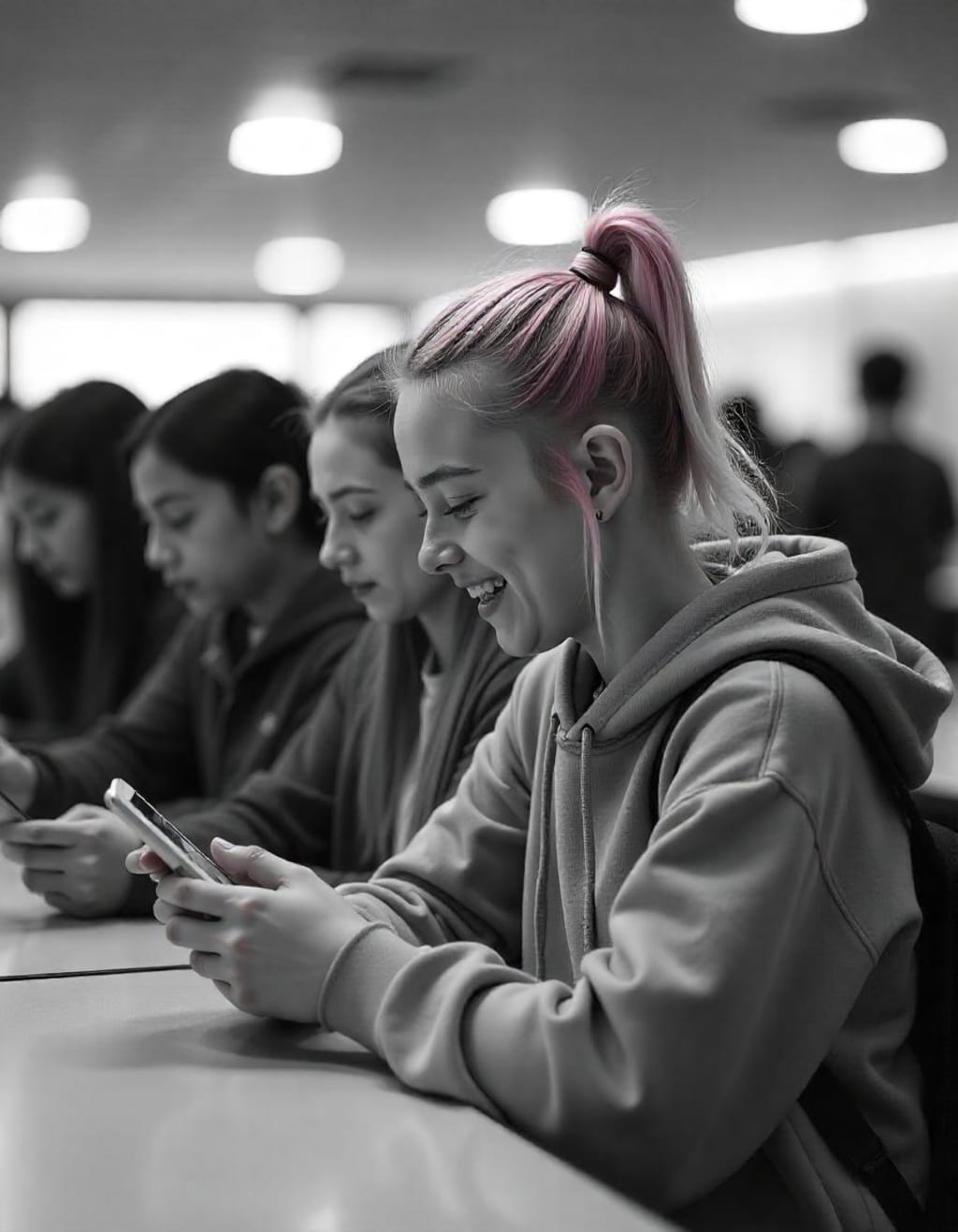
Technology has undoubtedly revolutionized our lives in many positive ways—connecting us with others, making information more accessible, and creating efficiencies across industries. However, there's a dark side to this digital era that we cannot ignore: it's making us more antisocial. Sounds counterintuitive, right? With all this connectivity, how can technology make us feel more alone? Let’s dig deeper into this paradox.
The Rise of Digital Communication
With the advent of smartphones, social media, and messaging apps, staying in touch with friends and family has never been easier. However, this so-called instant communication has come at a price. We’re replacing real, meaningful interactions with quick, often superficial exchanges.
Instant Connectivity but Less Face-to-Face Interaction
Text messages, emojis, and online chats have become our primary means of communication. While this allows us to stay in touch around the clock, it also comes at the cost of face-to-face conversations. Real-life socialization, with all its nuances and emotions, has been reduced to shallow digital exchanges that often lack depth and empathy.
How Social Media Promotes Shallow Connections
Social media platforms encourage us to share snippets of our lives in exchange for likes and comments, but this often leads to superficial relationships. While we may have hundreds of online friends, how many of those relationships are truly meaningful? The pressure to maintain an image or constantly seek validation can leave us feeling more isolated than ever.
Technology and Isolation: The Hidden Truth
While technology promises connection, it often isolates us in ways we don’t realize. People are becoming more disconnected from the world around them, spending hours glued to screens instead of engaging with the people in their immediate environment.
The Loneliness Epidemic in the Digital Age
It might surprise you to learn that despite the digital connections, studies show that loneliness is becoming a widespread issue, especially among younger generations. People may feel like they have more connections than ever before, but these are often not fulfilling. Instead of feeling supported, we’re left yearning for deeper human connection.
Are We Really Connected? The Illusion of Online Friendships
It’s easy to believe that being "friends" with someone on Facebook or Instagram means a genuine connection exists. But online friendships are often just curated highlights of people's lives. We know little about each other's struggles, challenges, or true feelings. It’s an illusion of connection, not a real bond.
How Technology Creates Barriers to Real Social Interaction
Technology is not just a neutral tool—it actively influences how we interact with one another. The more we rely on devices, the less we engage with the people physically around us.
Distraction from Face-to-Face Conversations
Ever tried having a conversation with someone while they’re scrolling through their phone? It’s frustrating. Technology creates distractions that interrupt real, meaningful exchanges. Instead of being fully present, we’re often half-listening while checking our messages or notifications. This not only affects personal relationships but also diminishes the quality of our social interactions.
Overreliance on Devices for Socialization
It’s become common to text, tweet, or DM someone instead of picking up the phone or meeting in person. This overreliance on devices makes us forget how to interact naturally without screens. Over time, this can lead to difficulty in engaging with people face-to-face and a decline in our social skills.
The Impact of Technology on Mental Health
The rise of technology has not just affected our social interactions—it has also had a profound impact on our mental health.
Increased Anxiety and Depression Due to Screen Time
Spending too much time on screens can increase feelings of anxiety and depression. Studies have shown that excessive social media use, in particular, can lead to mental health issues, as users often compare themselves to others or become overwhelmed by the constant stream of information. The feeling of never being “enough” can leave people feeling drained and disconnected.
The Dopamine Dilemma: Why We Can't Put Our Phones Down
Why do we keep checking our phones, even when we don’t need to? It’s because our brains are wired to seek dopamine—the pleasure chemical—whenever we get a notification or a new like. This constant reinforcement creates a loop that’s hard to break, keeping us hooked to our devices and, ironically, distracting us from real-world relationships.
The Social Media Paradox: Connected But Alone
Social media platforms promise connection, yet they often lead to feelings of isolation. Here’s why:
The Search for Validation Through Likes and Shares
We’ve all been there—posting a photo or a status and anxiously waiting for the likes to roll in. This search for validation can become addictive. We measure our self-worth through digital approval rather than nurturing authentic relationships. It’s a hollow pursuit that ultimately leaves us feeling more disconnected.
Comparison Culture and Its Antisocial Effects
Social media also thrives on comparison culture. We scroll through pictures of perfect vacations, perfect bodies, and perfect lives, making us feel inadequate in comparison. This culture of perfection breeds insecurity and isolates us further, as we begin to believe that everyone else is living a better life than we are.
Technology’s Role in Breaking Down Family and Friend Bonds
Technology is also having an impact on our most intimate relationships—those with our family and friends.
Less Quality Time with Loved Ones
It’s all too easy to be physically present with loved ones while being mentally somewhere else—buried in your phone. Instead of engaging in meaningful conversations, we’re often distracted by our devices. This lack of quality time erodes the emotional bonds we share with others.
How Tech Creates Emotional Distance in Relationships
When we rely on text messages, emojis, and quick chats, we miss out on the emotional depth that face-to-face interactions provide. This emotional distance can create feelings of alienation, even with the people we’re closest to. Genuine connections require effort, empathy, and attention, all of which can be compromised by excessive technology use.
The Future of Socialization: Can We Reconnect in a Digital World?
Despite the challenges, there’s hope for re-establishing genuine connections in a world dominated by screens.
The Need for Digital Detox
A digital detox is more important than ever. Taking regular breaks from screens allows us to reconnect with ourselves and the people around us. By limiting technology use, we can rediscover the joy of face-to-face interaction and rebuild meaningful relationships.
Fostering Real Human Connections in the Age of Technology
To combat the antisocial effects of technology, we must intentionally make time for real human connections. Setting aside time for in-person meetings, practicing mindful communication, and prioritizing quality over quantity can help us foster deeper bonds.
Conclusion: The Cost of Convenience
Technology has made life more convenient, but at what cost? The convenience of digital communication and social media has led to shallow connections, increased loneliness, and emotional distance in our relationships. However, with conscious effort, we can reclaim our social lives and rebuild the meaningful connections that truly enrich our lives.
FAQs
1. Is technology really making us antisocial?
Yes, while technology connects us digitally, it often leads to superficial interactions, emotional distance, and a decrease in face-to-face communication, making us more isolated.
2. How does social media contribute to antisocial behavior?
Social media promotes a culture of comparison and validation-seeking, which can make people feel isolated and disconnected, despite having hundreds of online "friends."
3. Can technology affect mental health?
Yes, excessive screen time, especially on social media, has been linked to increased anxiety, depression, and feelings of loneliness.
4. How can I reduce the antisocial effects of technology?
Taking breaks from screens, engaging in face-to-face interactions, and prioritizing meaningful conversations can help reduce the negative impacts of technology on social life.
5. What is a digital detox, and why is it important?
A digital detox involves taking time off from technology to reconnect with the real world. It’s essential for mental well-being and improving personal relationships.
About the Creator
Apleetech
Apleetech is a Professional Technology Platform. Here we will provide you only interesting content, which you will like very much. We're dedicated to providing you with the best of Technology, with a focus on dependability and Tech.
Understanding the Cultural Importance of Handbags
Handbags have played a meaningful role in fashion and daily life for centuries. Historically, handbags were created out of necessity, designed to help people carry personal belongings such as money, tools, or documents. Over time, they evolved into carefully designed accessories that combine practicality with aesthetics. Today, handbags are widely recognized as symbols of personal style, social identity, and changing fashion values.
By charliesamuel4 days ago in 01
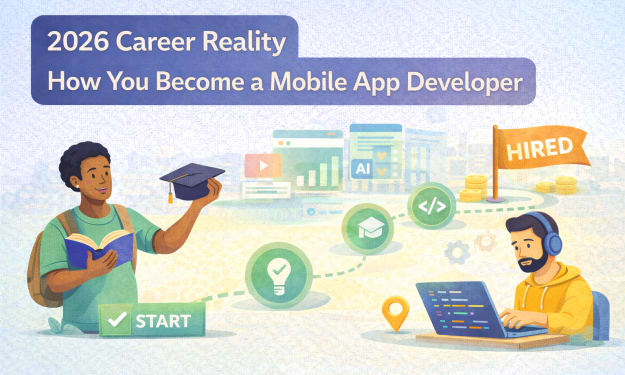
2026 Career Reality How You Become a Mobile App Developer
In 2026, the question how do you become a mobile app developer is no longer answered by learning a stack and shipping an app. A tectonic shift inside the Google ecosystem has tied developer relevance to AI Retrieval, Zero Click behavior, and entity-level trust, creating direct career risk for those who build without authority awareness.
By Mike Pichai3 days ago in 01



Comments
There are no comments for this story
Be the first to respond and start the conversation.