
The Birth of a Nation: The Film That Shaped American Culture
A Technical Marvel with a Racist Message
EXPLANATION
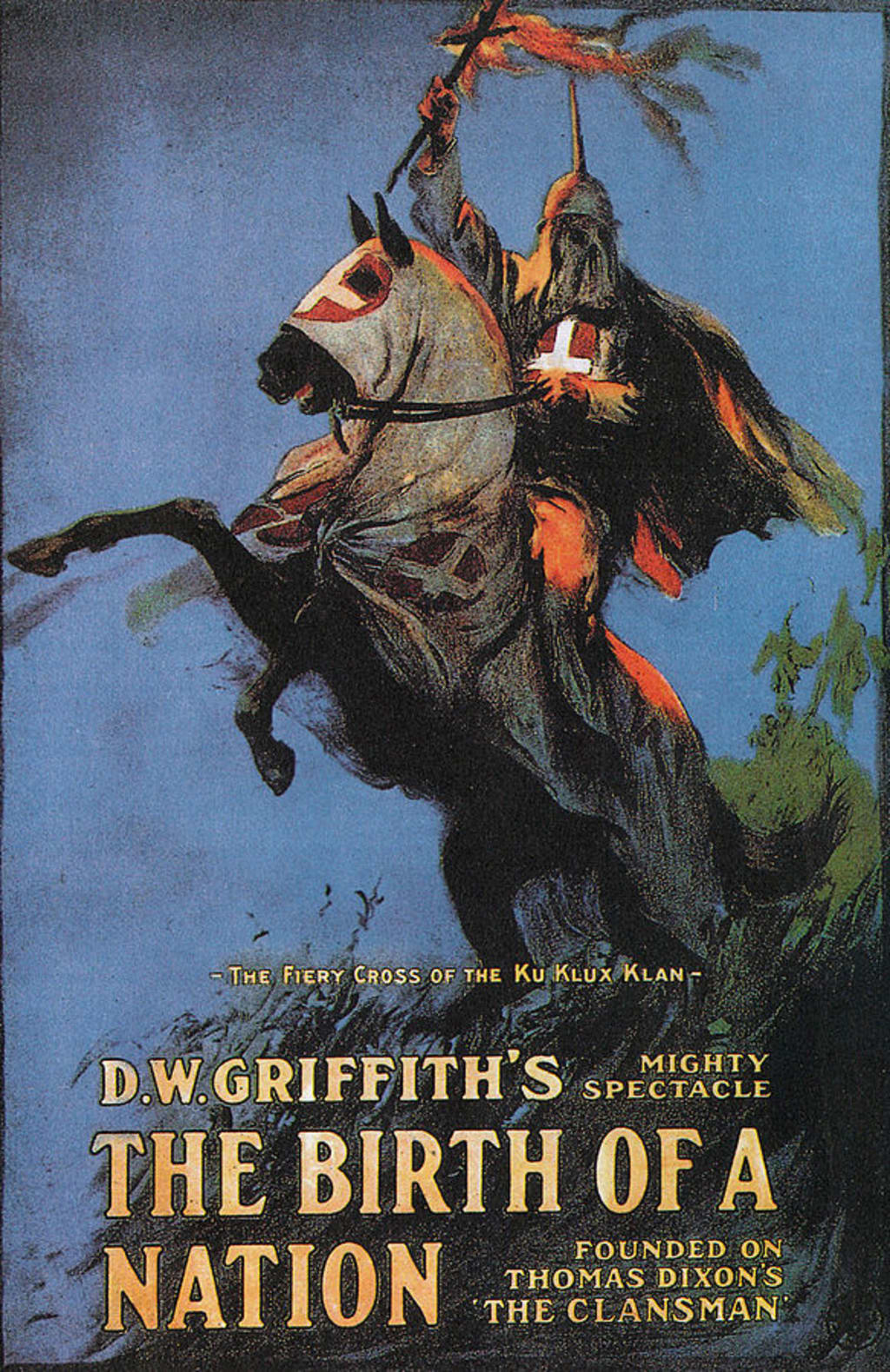
The Birth of a Nation is a 1915 American epic historical drama film written, directed, produced, and edited by D. W. Griffith. Based on the 1905 novel The Clansman by Thomas Dixon Jr., it is the first feature-length film to be produced by the United States. The film tells the story of the Civil War and Reconstruction era in the United States, with a particular focus on the Ku Klux Klan.
The film opens with a recreation of the attack on Fort Sumter, which marked the beginning of the Civil War. The film then follows the lives of two families, the Stonemans (Northern) and the Camerons (Southern), as they are torn apart by the war. The Stonemans are a wealthy and abolitionist family, while the Camerons are a poor and pro-slavery family.
The film's most controversial aspect is its depiction of African Americans. The film portrays black people as unintelligent, sexually aggressive, and dangerous. It also glorifies the Ku Klux Klan as a heroic organization that saved the white South from the evils of Reconstruction.
The film's release sparked a wave of race riots across the United States. In many cities, black people were attacked and killed after being accused of being like the black people depicted in the film. The film was also banned in several cities and states.
Despite the controversy, The Birth of a Nation is considered to be one of the most important and influential films ever made. It was a technical marvel for its time, and it helped to define the language of cinema. The film also had a significant impact on American culture, helping to shape the way that white Americans viewed black Americans.
In recent years, there has been renewed interest in The Birth of a Nation, as scholars have begun to examine the film's historical and cultural significance. The film is now taught in many college courses, and it is often used as a case study in the study of racism and white supremacy.
The Birth of a Nation is a complex and controversial film. It is a technical masterpiece, but it is also a racist and harmful film. It is important to view the film in its historical context, but it is also important to be critical of its message.
Here are some additional details about the film:
The film was directed by D. W. Griffith, who is considered to be one of the most important figures in the history of cinema. Griffith was a master of the techniques of film editing and mise-en-scene, and he used these techniques to create a visually stunning film.
The film was a critical and commercial success, and it is credited with helping to revive the American film industry. The film's success also helped to popularize the idea of the Ku Klux Klan, and it is estimated that the film led to an increase in the number of Klan members.
The film was banned in several cities and states, and it was also protested by many civil rights groups. However, the film was also praised by some white Americans, who saw it as a sympathetic portrayal of the South during the Reconstruction era.
The film's racist message has been criticized by many scholars and historians. However, the film is still considered to be an important historical document, and it is often used as a case study in the study of racism and white supremacy.
Sure, here are some rare facts about The Birth of a Nation (1915):
The film was originally titled The Clansman, after the novel it was based on. However, the title was changed to The Birth of a Nation to make the film more appealing to a wider audience.
The film was the first feature-length film to be produced by the United States. It was also the first film to use the techniques of cross-cutting and close-ups, which are now common in cinema.
The film was a critical and commercial success, and it is credited with helping to revive the American film industry. However, the film's racist message was also highly controversial, and it sparked a wave of race riots across the United States.
The film was banned in several cities and states, and it was also protested by many civil rights groups. However, the film was also praised by some white Americans, who saw it as a sympathetic portrayal of the South during the Reconstruction era.
The film's racist message has been criticized by many scholars and historians. However, the film is still considered to be an important historical document, and it is often used as a case study in the study of racism and white supremacy.
Here are some other rare facts about the film:
The film's director, D. W. Griffith, was a member of the Ku Klux Klan.
The film's cast included many white actors in blackface.
The film's release was delayed for several months due to protests from civil rights groups.
The film was re-released in 1930 with a new prologue that addressed the film's racist content.
The film was again re-released in 1954 with a new epilogue that condemned the Ku Klux Klan.
About the Creator
Keep reading
More stories from writers in 01 and other communities.
Cost to Develop an App Like TikTok: Full Guide (2026)
So, you reckon you have the next billion-dollar idea? You want to build a TikTok killer. Join the club, mate. In 2026, everyone and their grandmother is trying to pivot to video, thinking a simple app wrapper and a few API calls will print money.
By Sherry Walker4 days ago in 01




Comments
There are no comments for this story
Be the first to respond and start the conversation.