
The Best Telemedicine Apps for Providers To Transform Healthcare in Nigeria
Best Telemedicine Apps For Providers
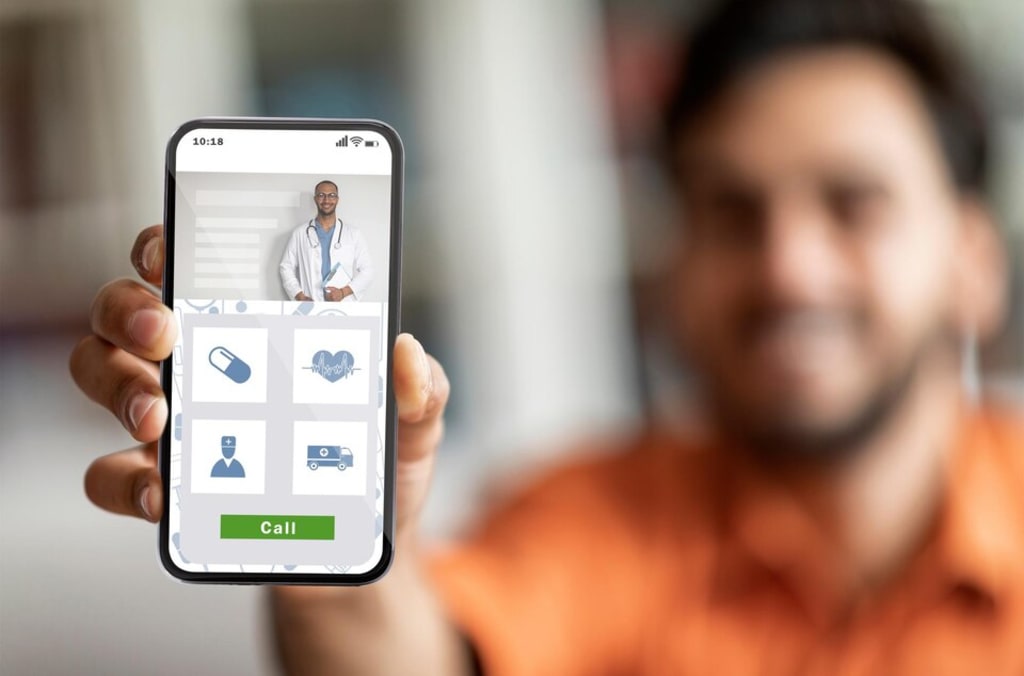
The healthcare landscape is changing rapidly, and nowhere is this shift more impactful than in regions where access to quality care has traditionally been limited. In Nigeria, rising of the best telemedicine apps for providers are helping to address long-standing challenges such as limited infrastructure, doctor shortages, and geographical barriers. For healthcare providers, telemedicine apps have become essential tools for delivering timely and effective medical care.
With smartphones, internet access, and cloud technology becoming increasingly common, medical consultations no longer require physical visits. Doctors can now evaluate, diagnose, and even prescribe treatments remotely. For any healthcare provider aiming to stay relevant in today's digital age, especially within Nigeria, adopting a reliable telemedicine platform is no longer optional, it’s a necessity.
Why Telemedicine Matters for Nigerian Healthcare
Nigeria’s healthcare system faces several challenges, including uneven distribution of healthcare professionals, insufficient hospital infrastructure, and high patient-to-doctor ratios. These issues are even more pronounced in rural communities, where traveling to the nearest health center might involve hours of commuting. This is where telemedicine becomes a game-changer.
By allowing virtual consultations, telemedicine apps in Nigeria empower healthcare providers to extend their services beyond the walls of clinics and hospitals. Doctors can reach patients in distant towns, provide care after hours, and follow up on treatment progress, all from a mobile device or computer. In addition, telemedicine helps reduce overcrowding in hospitals and provides quicker access to basic healthcare, which can prevent conditions from escalating into emergencies.
What Makes a Good Telemedicine App for Providers?
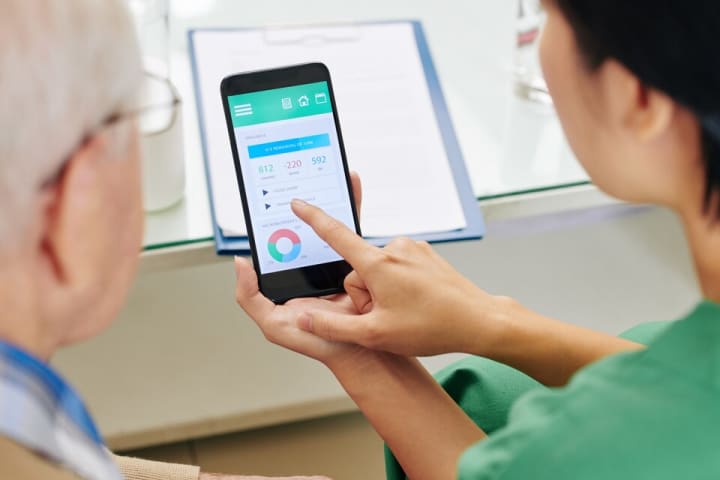
Not all telemedicine apps are created equal. For healthcare providers, the ideal platform is one that offers a balance of simplicity, security, and functionality. A good telemedicine app should facilitate seamless communication between doctors and patients through secure video or audio consultations. It should also offer features like appointment scheduling, medical record storage, and electronic prescriptions.
Data security is critical, especially when dealing with sensitive health information. Providers must ensure the app they use complies with relevant data protection laws. Moreover, integration with existing health systems and payment platforms can streamline workflows, reduce administrative burdens, and improve the overall quality of patient care.
Designed for the Nigerian Healthcare Landscape
Some telemedicine apps for doctors are tailored specifically to meet the needs of healthcare professionals working within Nigeria. These platforms are built with local realities in mind, such as intermittent internet access, language diversity, and payment in local currency. Providers benefit from intuitive user interfaces that require minimal training, making it easier to onboard even those unfamiliar with digital tools.
Such platforms often include support for video calls, voice consultations, and secure messaging, enabling doctors to stay connected with their patients around the clock. The inclusion of local pharmacy integration and digital prescriptions also means that patients can get their medications without needing to leave their homes. These features make the app especially valuable in urban and rural settings alike.
Blending Clinical Care with Public Health Education
A growing number of telemedicine apps now offer more than just virtual consultations. Some include public health tools designed to educate and guide patients even before they speak to a doctor. These tools help triage patients based on symptom severity, ensuring that critical cases receive priority attention while others receive the appropriate level of care.
For providers, this means spending less time on initial screenings and more time addressing complex medical concerns. These platforms usually offer access to consultation history, allowing doctors to track the patient’s medical journey and make informed decisions during follow-ups.
Expanding Reach Through Cross-Border Care
Some telemedicine solutions are designed for broader geographical coverage, allowing providers to connect with patients both within Nigeria and internationally. These platforms enable healthcare professionals to serve diaspora communities, traveling patients, or individuals in remote areas without compromising the quality of care.
Doctors using these systems gain access to cloud-based patient records and diagnostic tools, which support a more comprehensive approach to remote care. Multilingual support is often included, allowing providers to serve Nigeria’s diverse population more effectively. These features make cross-border telemedicine apps a great choice for providers looking to expand their practice beyond physical borders.
AI-Assisted Patient Assessment
Artificial Intelligence (AI) is playing an increasingly important role in telemedicine. Some telemedicine app in Nigeria come with AI-powered symptom checkers that patients can use before consulting a doctor. These tools guide patients through a series of questions and provide a preliminary assessment of their condition.
For doctors, having access to this pre-assessment information can lead to more efficient consultations. They enter the appointment with a better understanding of the patient's symptoms and can focus on treatment rather than basic questioning. While these tools do not replace clinical judgment, they enhance the provider's ability to deliver faster and more targeted care.
Ideal for Independent or Private Practice
Telemedicine platforms also cater to individual practitioners and small clinics by offering flexible business tools. Providers can create professional profiles, set consultation fees, and manage their own schedules. These platforms offer the freedom to build a virtual practice without the need for extensive technical infrastructure.
This is especially beneficial for specialists and general practitioners who want to serve patients directly, without going through a larger health system. These apps are often designed to be mobile-friendly, allowing doctors to conduct consultations from any location, making them a valuable addition to modern private practice.
Benefits of Using a Telemedicine App
The advantages of adopting telemedicine are numerous for healthcare providers. It enables them to extend their reach to areas that lack adequate healthcare facilities. It also allows doctors to operate more efficiently by minimizing in-person appointments that may not be necessary.
Moreover, digital recordkeeping improves continuity of care and helps with accurate diagnosis and monitoring. By accepting online payments and integrating billing systems, these platforms also open up additional income streams. With the increasing demand for convenience and fast service among patients, telemedicine helps providers remain competitive in a digital-first world.
Final Thoughts
Telemedicine is more than a trend, it is a powerful solution to many of the challenges facing Nigeria’s healthcare system today. With the right app, healthcare providers can improve patient outcomes, increase their reach, and streamline daily operations. Whether you are looking to serve rural communities, build a private online practice, or offer consultations on the go, choosing one of the best telemedicine apps for providers can transform how you deliver care. As digital health continues to evolve, embracing telemedicine is not just about convenience, it’s about building a smarter, more connected, and more inclusive healthcare system for all.
About the Creator
DRO Health
DRO Health is more than a telemedicine platform—it’s a comprehensive digital solution for healthcare facilities and partners. Our cutting-edge technology streamlines patient management, enhances operational efficiency.
Keep reading
More stories from DRO Health and writers in 01 and other communities.
How Telemedicine Can Provide the Best Online Doctor For Prescription?
In today’s busy and rapidly growing world, convenience and accessibility are everything, even when it comes to healthcare. For many people, visiting a clinic or hospital for a simple prescription can be time-consuming and inconvenient. That’s where telemedicine comes in, offering a modern alternative that connects patients with licensed professionals through digital platforms. If you're looking for the best online doctor for prescriptions, understanding how telemedicine works and what it offers can help you make an informed decision.
By DRO Health9 months ago in 01
Nathan Allen Pirtle’s Influence on Modern Brand Strategy
In today’s crowded digital landscape, brands are no longer built on advertising alone. They are shaped by culture, trust, storytelling, and the ability to move at the speed of the internet without losing authenticity. Few strategists understand this balance as clearly as Nathan Allen Pirtle. His influence on modern brand strategy reflects a deeper shift in how brands earn relevance, loyalty, and long-term impact.
By Jeffrey D. Gross MD7 days ago in 01


Comments
There are no comments for this story
Be the first to respond and start the conversation.