
The Best Supplements for a Vegan Lifestyle in 2025: A Data-Driven Guide
Feel Free
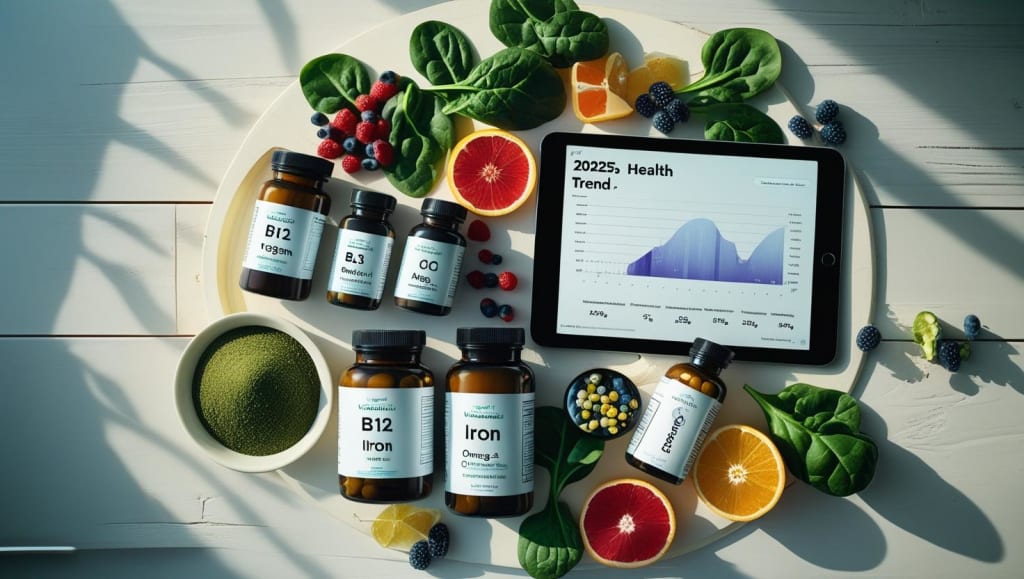
As plant-based living moves into the mainstream, the conversation around supplements has shifted from whether they’re necessary to how best to use them. A balanced vegan diet can offer most of the nutrients your body needs—but some key vitamins, minerals, and compounds can be harder to obtain from plant sources alone. In 2025, the best approach to supplementation is one that is precise, clean-label, and backed by science.
This guide offers a comprehensive look at the best supplements for a vegan lifestyle in 2025, helping plant-based individuals optimize their energy, cognition, immunity, and overall performance without compromising their values.
Why Supplementation Matters for Vegans
While whole foods are the foundation of any healthy diet, there are a few nutrients that are either missing or significantly limited in vegan sources:
- Vitamin B12 is not naturally found in plant foods.
- Omega-3 fatty acids (EPA/DHA) are mainly present in fish.
- Vitamin D3 is limited in vegan forms.
- Iron, zinc, and iodine may be present in plant foods but are often less bioavailable.
- Creatine, taurine, and carnitine are non-essential for survival but may enhance physical and cognitive performance.
Understanding these gaps helps prevent fatigue, brain fog, and other signs of nutrient shortfalls.
1. Vitamin B12: The Non-Negotiable
B12 is essential for red blood cell formation, DNA synthesis, and neurological health. Deficiency can lead to anemia, weakness, and mood disturbances. Because no reliable plant-based source exists, supplementation is mandatory.
Recommended dose: 250–500 mcg per day of methylcobalamin or cyanocobalamin.
Forms: Sublingual tablets, sprays, or in fortified nutritional yeast.
2. Vitamin D3 (Plant-Based)
Vitamin D is critical for bone health, immune function, and mood regulation. In northern climates or during winter months, sunlight alone isn’t enough.
Why D3 over D2? Studies show D3 is more effective at raising blood levels of vitamin D. Fortunately, vegan D3 derived from lichen is now widely available.
Recommended dose: 1000–4000 IU/day depending on sun exposure and blood test results.
3. Omega-3 Fatty Acids (DHA & EPA)
ALA, the omega-3 found in flax and chia seeds, must be converted in the body to DHA and EPA—a process that is inefficient in many individuals.
Why it matters: DHA and EPA are vital for cognitive performance, heart health, and inflammation regulation.
Best source: Algal oil supplements offer a direct, sustainable source of DHA/EPA.
Recommended dose: 250–500 mg combined DHA/EPA daily.
4. Iron: Essential but Tricky
Iron supports oxygen transport and energy metabolism. Plant-based (non-heme) iron is less readily absorbed than animal-derived (heme) iron.
Enhance absorption:
Pair iron-rich foods (lentils, spinach, pumpkin seeds) with vitamin C
Avoid tea/coffee around meals, which inhibit absorption
When to supplement: Menstruating individuals, athletes, and anyone with diagnosed anemia should consider iron supplements with professional guidance.
Forms: Ferrous bisglycinate is gentle on the stomach.
5. Zinc
Zinc plays a role in immune response, skin health, and metabolism. It’s found in whole grains and legumes but is less bioavailable in plant foods due to phytic acid.
Recommended dose: 8–11 mg/day; up to 25 mg if needed short-term.
Forms: Zinc picolinate or citrate are well-absorbed.
6. Iodine
Iodine supports thyroid function, which regulates energy and metabolism. Many people unknowingly consume less iodine when removing dairy and iodized salt from their diets.
Sources: Seaweed is rich in iodine but varies wildly in content. A daily supplement offers more consistency.
Recommended dose: 150 mcg/day from potassium iodide or kelp-based supplements.
7. Selenium
Selenium is an antioxidant that protects cells from oxidative stress and supports thyroid function. It’s found in Brazil nuts, but one nut can contain vastly different amounts.
Recommendation: 55 mcg/day. Some multivitamins include selenium for ease.
8. Creatine
Creatine isn’t essential, but it enhances strength, endurance, and cognitive processing. It’s naturally found in meat and fish, making vegan supplementation a smart choice for athletes and professionals alike.
Forms: Creatine monohydrate is effective and affordable.
Recommended dose: 3–5 g/day
9. Taurine and Carnitine (Optional but Beneficial)
Though non-essential, taurine and carnitine may offer cardiovascular and muscular support. In 2025, more vegan-friendly options are hitting the market.
Taurine: Supports electrolyte balance and heart function.
Carnitine: Aids in fat metabolism and energy production.
10. Adaptogenic Tonics: A Functional Supplement Category
In addition to essential nutrients, many plant-based individuals are turning to functional tonics for a more holistic energy and focus solution. These tonics often combine adaptogens, nootropics, and botanicals in one beverage.
Popular components include:
Kava root for calm focus
Leaf kratom (in moderation) for motivation and stamina
Rhodiola rosea for physical resilience
Green tea extract or L-theanine for alertness without jitteriness
These tonics serve as a natural energy booster and align well with the values of vegan and plant-forward consumers.
Customizing Your Stack: One Size Doesn’t Fit All
The best supplement stack depends on:
- Diet quality
- Geographic location
- Physical activity level
- Lab results from bloodwork
In 2025, supplement brands are increasingly offering personalized packs based on biometric data or self-reported habits.
Choosing the Right Products
What to look for in supplements:
- Vegan-certified labels
- Third-party testing for purity and potency
- Minimal fillers or artificial colors
- Sustainable packaging when possible
Avoid supplements that rely on synthetic or animal-derived binders. Transparency in sourcing and formulation is a growing consumer demand.
Final Thoughts: Supplementation as Empowerment
Adopting a plant-based lifestyle doesn’t mean compromising on health, energy, or performance. With the right supplementation strategy, vegans in 2025 can thrive—mentally, physically, and ethically.
From essentials like B12 and vitamin D3 to powerful additions like algal omega-3s and adaptogenic tonics, today’s options make it easier than ever to meet your body’s needs while honoring your plant-based principles.
Smart supplementation isn’t a shortcut—it’s a tool for long-term sustainability and success.
About the Creator
Keep reading
More stories from Jared Benning and writers in 01 and other communities.
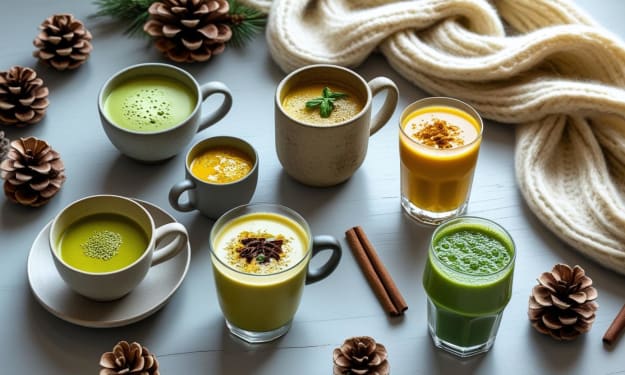
5 Healthy Winter Drinks That Actually Support Focus and Energy
Winter may bring shorter days and colder mornings, but it doesn’t have to drain your energy. For small business owners managing hectic schedules or homeowners tackling seasonal projects, winter is no time to slow down. That’s where smart beverage choices can play a surprising role. Swapping sugary lattes and artificial energy drinks for healthy winter drinks that support brain function, endurance, and immunity can help you stay sharp and productive—without the crash.
By Jared Benning9 months ago in 01
How to Build a Fitness App That Keeps Users Coming Back
The fitness app market in 2026 is no longer a battle of content. It is no longer about who has the most workout videos. It is now a battle of who can sustain user motivation. Data from the 2025 Global Digital Health Report is clear. Initial downloads for health apps remain high. However, nearly 60% of users drop off within thirty days. This happens if the experience feels generic.
By Del Rosario3 days ago in 01
Top 10 Medication Management App Development Companies in 2026
In recent years, mobile health technology has fundamentally reshaped how patients engage with their treatments. One of the most promising developments in this space has been medication management applications — digital tools that help individuals track prescriptions, set reminders, manage dosages, and reduce the risk of medication errors. What was once a simple alarm clock for pills has evolved into a suite of features that support people living with chronic conditions, caregivers juggling complex regimens, and healthcare professionals seeking adherence insights.
By Olivia Carter7 days ago in 01



Comments
There are no comments for this story
Be the first to respond and start the conversation.