
The Benefits of IoT in the Generation & Distribution of Energy
Benefits of Using IoT in the Energy Industry
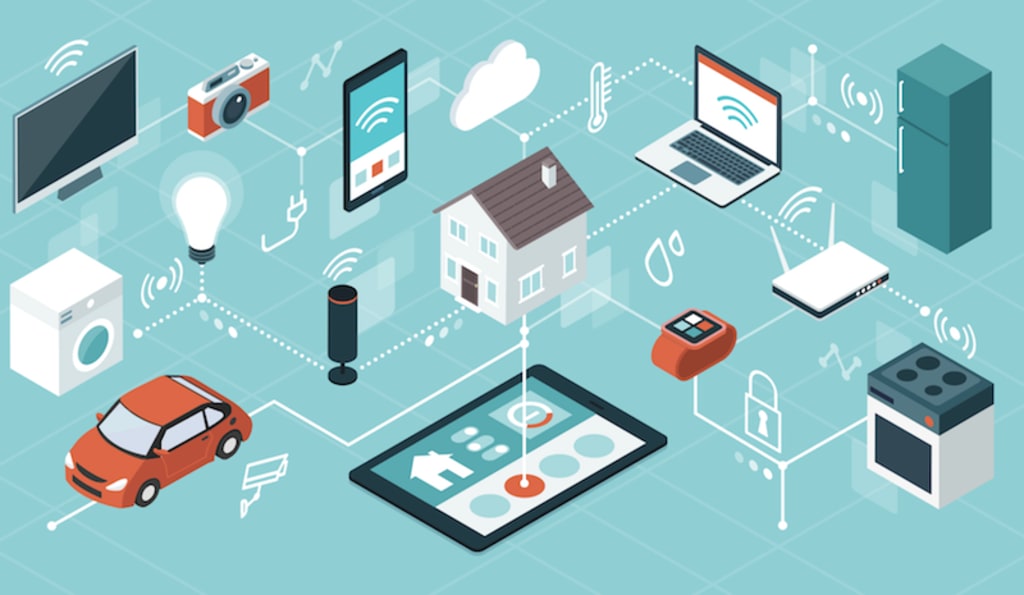
Every hour that passes, technology is jumping by leaps and bounds. Augmented Reality, VR, Blockchain have created revolutions globally, and there is no end. They are just advancing to create a whole new reality and improve the world. Another such groundbreaking technological innovation is the Internet of Things (IoT).
What is IoT?
IoT is a term used to describe a network of different physical objects or things. Things could be anything, from something as small as an ordinary coffee making machine to something as huge as sophisticated industrial machinery. There are more than 7 billion objects connected to IoT, and every day, the count is just increasing. By the end of 2020, there were approx 10 billion devices connected to IoT.
IoT can be used for energy and lighting devices like lamps and lights sensing movement within a room and shutting off and turning on when needed. When it comes to the energy industry, IoT can also be used for basic utilities like control assets and increase safety and control the grid.
Benefits of Using IoT in the Energy Industry
Automation
Efficiency takes a major hit with the traditional methods of generating and distributing energy. The older methods of solar energy and wind energy faced various issues while harnessing renewable energy.
With the help of IoT, resources can be harnessed without any wastage and during the right time. The IoT equipment can be adjusted to harness the energy during the most favourable conditions for energy production. Another benefit of IoT is that it immediately gives us data; hence, even if changes need to be made, they can be.
Cost-Efficiency
As mentioned, IoT helps in monitoring power consumption and also harnesses during the best conditions. This reduces waste and further costs during the production of energy.
IoT also helps on the user-side. Electricity companies can understand their users' statistics and usage patterns, which gives them control over the energy used. They can balance the demand for energy depending based on this data. Hence, a lot of energy can be distributed daily, leading to saving costs.
Grid-Management
Through IoT technology, one can manage the grid more efficiently by including more systems into the grid. Sensors are placed at distribution lines, through which companies can gather real-time consumption data.
This data can be used to take actions over voltage control, load switching, and network configuration. Through the sensors, operators can be made alert about outages. Even during a crisis such as a damaged line, one can quickly turn off the lines, saving people from hazards such as electrocution cases, wildfires, and more.
Distributed System
Nowadays, the use of the energy grid is increasing triple-folds. It is being used in commercial as well as residential use. Besides the primary generator, the electricity companies also have to manage small generators used more and more.
Through the use of IoT, these small and smart grids can be easily monitored. Sensors are placed at each corner, and a large number of points are monitored. This was earlier not possible through the traditional systems.
Such innovations are made easy by the IoT devices and network easily made available through Legrand. Legrand provides a range of electrical and smart home devices of high-quality and innovatively created to bring added comfort to your life.
About the Creator
Keep reading
More stories from writers in 01 and other communities.
Data Anonymization Techniques to Ensure Privacy in Modern Enterprises
Enterprises today work with massive volumes of data coming from customers, users, employees, and digital systems. This data is critical for analytics, reporting, artificial intelligence, and strategic decision making. However, much of it contains sensitive or personal information that cannot be exposed or misused. With strict data privacy regulations and growing awareness around data protection, organizations must find a way to use data responsibly.
By Vinod Vasava6 days ago in 01
These Billionaires Bet Big On GreenLand—After Trump Took Interest
Topline Just months after President Donald Trump first expressed interest in the United States possibly gaining control over Greenland, some of the richest people in the world—including Jeff Bezos, Bill Gates and Michael Bloomberg—began making strategic investments in the mineral-rich island.
By Dena Falken Esq2 days ago in 01


Comments
There are no comments for this story
Be the first to respond and start the conversation.