
The Algorithm's Sixth Sense: Why Ads Feel Psychic
At first I thought it was just a coincidence-until it kept happening, almost creeped out I started questioning the so called “user privacy” these tech giants claim to provide.

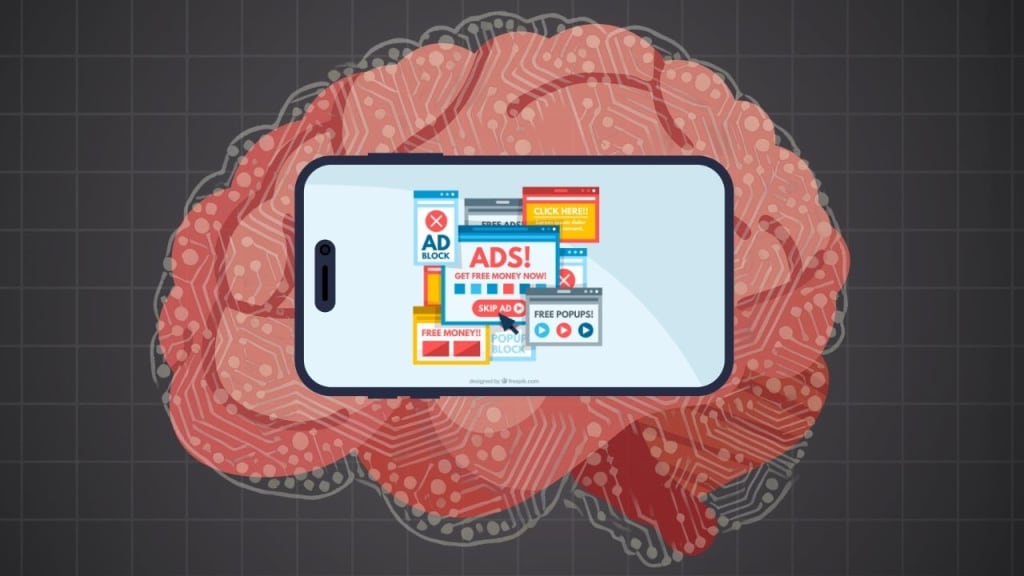
I was sitting at my desk, feeling that similar stiffness on my back, and I am thinking “I better get a new chair, maybe the ergonomic ones that recline”. I didn’t say it out loud. I didn’t search for it. It was just a fleeting thought.
Later that evening, as I was casually scrolling through YouTube, and there it was an ad for an ergonomic office chair.
At first, I shrugged it off. Coincidence I thought.
But then it happened again. And again.
Cravings, desires, and even the most random thoughts, my phone seemed to know about them before I even typed a single word.
And I wasn’t alone. I started researching and found others noticing the same thing happening to them as well.
One Reddit user posted:
“Google ads are reading my mind literally. I don't think it's a coincidence. How is it doing this?”
They further elaborated that they made another post about the same issue few months ago
“Except this time it's worse because now I'm not even mentioning my thoughts outloud on certain products and things and will get an advertisement the next hour or day for it. It's so creepy.
I don't know how the hell google is doing this. And no I swear I don't think coincidence at this point. I don't understand how I could get an ad for a extremely specific item that I merely thought of intently for a few minutes just to get the ad later in the week.”
I started reding the comments and others had shared their experiences as well and it started to get more and more bizarre. One user responded:
“I've just posted this question because I was just literally eating, watching youtube and thinking about how my gums are getting sensitive and I should get something. I didn't talk about it, I never googled anything about it, and the add over the youtube video popped out about the toothpaste. It was literally only in my mind. No google search about teeth ever. Nor talking about it.”
“I feel like no one believes me” Replied the OP to the response.
Another Quora user shared a similar experience:
“Can smartphones read our mind? I sometimes see ads about the things I have thought in my mind, which I have never searched in the internet or even spoken it out.”
And again, others had flooded the discussion with more incidents and experiences they had and some were trying to explain the process.
“While it may seem like smartphones can read our minds, the reality is that they cannot directly access our thoughts or emotions. The ads you see about things you have thought in your mind, but never searched for or spoken about, can be attributed to other factors such as targeted advertising and data analysis.”
Explained one of the users and another responded with:
“To all the people saying no, it can just predict your habits based on your data, that does not explain what I have experienced.
Last week In the shop, I glanced at Cadbury chocolate fingers, I stood there a while debating whether to buy them, thought about it a lot, and walked away. Didn’t buy them. Didn’t speak of them to anyone. I don’t usually buy them, nor do I usually buy Cadbury in general.
When I got home that night, of course on instagram I had chocolate fingers ads popping up and they have a lot now! I have NEVER had a chocolate fingers ad, ever. Do not tell me it’s just because they know me well, I never get chocolate ads and I don’t buy it.”
Writing further “I only thought about them. Please someone explain that to me?! I always have ads for things I search up or things I do already buy (where’s the logic?).” Asked the user.
Brainwaves? Some unconventional theories emerged.
A user had responded to the same quora post and linked a very similar post “Can Google read brainwaves? Sometimes when I think something in my mind it gets recommended/ advertised without me even speaking or typing the thing.”
“I know it is doing exactly that. I have about 100 examples collected right now and I will explain this one that just happened which led me to ask this question here but I see someone has beaten me to it word for word.”
“They know they can read brainwaves.” Said the user and mentioned some documents.
“I have found documents explaining the technology 5 years ago or more and how they would implement this in phones. I also found a guy ranting about how he worked on this project and left Google because of the evil things they intend to do with this tech.”
Although there are studies suggesting promising strides in the field of EEG (electroencephalograph) which is what I am assuming the user is talking about.
Further they elaborated their personal experience they had “I bent down and picked it up and remembered seeing this ad about why you should always keep a breadclip in your wallet.” Recalled the user.
“I just now realized after typing that sentence that I also had a bread clip in my car somehow in the change jar. I actually had one in my wallet because of the ad, thinking it would be a tool of some sort but I had removed it and placed it in the change jar.
So yeah, I just remember that today also I pulled that out of the change jar so I could only have change in it. The thing had become a ‘catch-all’ over time. So two days in a row, I picked up a bread clip and thought about that stupid ad but never said a word, never looked it up etc… I simply thought about the ad two days in a row very briefly.”
“I am sitting here looking through Quora and what do I see, the darn bread clip ad I haven’t seen since the beginning of this year, 10 months ago at least.”
This was simply just one example they said and further expressed “it is driving me insane and I know it’s real! The phone is reading your mind 100% and they are lieing to our faces about ohhh it’s just your browsing history or stuff you bought…” So it got to the point where this person had questioned the whole technical angle of the explanations others had provided.
“it’s not just that they are literally invading your personal thoughts every second of the day. They can see what you see too… I have to share this other example it’s too freaky…” they went on.
You can read the whole thing here.
The user’s account while intriguing, lacks concrete scientific backing and should be viewed as an individual experience rather than a proven fact.
But still I was convinced that they are somehow reding our minds or at least listning to us through our devices, so I had to dig deeper into this.
How Ads "Read" Your Mind (Without Actually Reading It)
Let’s be clear your phones are not psychic, and these tech giants don’t have access to your thoughts(at least not in a literal sense).
But what they do have is far more powerful: YOUR DATA. And it is crazy the amount of data they have on you.
Data Collection
Google and other tech giants collect vast amounts of data from users, and by that I mean absolutely every thing based on their online behavior—search history, website visits, app usage, and interactions on social media. This data helps them create super detailed user profiles.
Targeted Advertising
Tech giants don’t need to listen to your conversations they can predict what you’ll want based on your behavior.
• Your past searches, clicks, and browsing history.
• Time spent on pages, the way you scroll, what you hesitate on.
• Your social media activity even posts you engage with but don’t comment on.
Google and Facebook use machine learning models to analyze this data, looking for patterns and cross-referencing them with millions of users who behave just like you.
For Example:
If thousands of people who looked up "ergonomic desks" later searched for "reclining office chairs," Google’s AI connects the dots and assumes you’ll want the same.
It then serves you the ad before you even think of searching for it.
So it is really finding the pattern about which users are more alike. This algorithm is so precise that it gives the illusion of reading your mind if you start to notice it.
Social & Proximity Influence
Sometimes, it’s not you who is being tracked but the people around you.
Ever talked about something with a friend, then both of you suddenly started getting ads for it? That is not coincidence my friends:
• Your friend may have searched for it on their phone.
• You share the same Wi-Fi network or location.
• Your interests overlap, so AI assumes you’ll also want it.
I also read that Facebook actually allows advertisers to target ads based on people who are frequently in the same location. You can read the whole thing Here provided by meta.
Going through your e-mail
Even the Ads in your inbox are not there just for advertising but to also collect data. Algorithms are going through your every click and what keywords interest you in the email that you sent, received and interacted with.
Now it’s not like an actual employe is going through your emails, these are bots. But still that is creepy knowing your every move is being analyzed all the freaking time. To stop this you can turn off smart features and personalization.
You can Check & Delete Data Google Has Collected
While you can’t completely block Google from processing your emails (since they manage Gmail’s whole infrastructure), you can limit how much data is used for recommendations and activity tracking.
Go to google my activity (myactivity.google.com) and delete and disable all the things you are not comfortable sharing. If privacy is your top concern, encrypted alternatives might be the best way to go.
In conclusion,
The way ads predict our thoughts has gone too far. While some might find it very convenient knowing it’s this is just some advanced algorithm and smart data analysis, it still doesn’t make it any less unsettling. What’s even more concerning is that these companies design the whole system to be difficult to opt out of by default.
About the Creator
Anshit mukherjee
Tech enthusiast with a curiosity that goes beyond the screen. I write about the latest in AI, software, and digital trends—but also explore ideas beyond tech, from philosophy to productivity, culture, and everything in between.
Keep reading
More stories from writers in 01 and other communities.
TUS NUA - ch 53
TUS NUA – ch 53 New Beginnings – Mia and Midnight (*)(*)(*) Finola knew Ali’s brother-in-law needed to put his mind at rest. She fed her arm through his and led him outside. “We’ll sit here. If you like, I can put a block around us so our conversation will be private.”
By Margaret Brennan4 days ago in Fiction


Comments
There are no comments for this story
Be the first to respond and start the conversation.