
Telemedicine: The Future of Healthcare
Explore how telemedicine is revolutionizing healthcare access, breaking geographical barriers, and offering convenient, efficient medical consultations from anywhere.

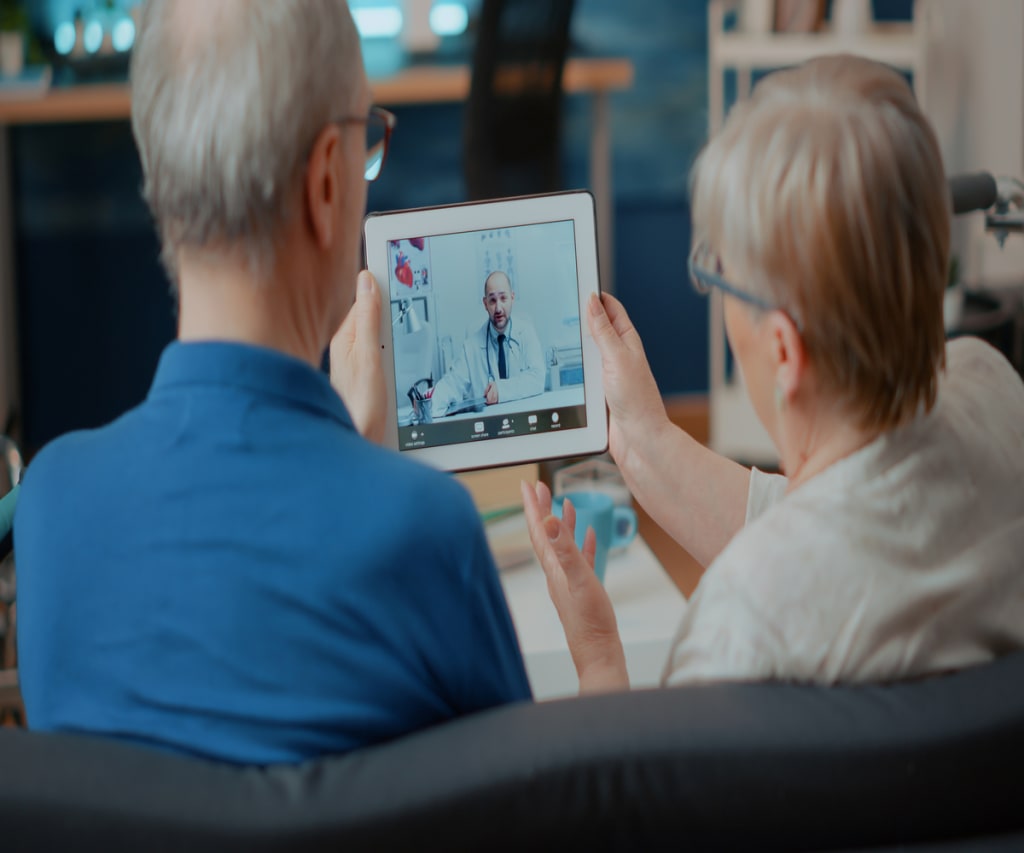
The healthcare industry is undergoing a seismic shift, driven by advancements in technology and the growing need for accessible, efficient, and patient-centric care. Telemedicine, once a supplementary service, has now emerged as a cornerstone of modern healthcare. By leveraging digital tools and platforms, telemedicine is breaking down barriers to healthcare access, making it possible for patients to receive high-quality care from anywhere, at any time.
In this blog, we’ll explore the rise of telemedicine, its transformative impact on patient care, and why it is poised to become the future of healthcare access. Whether you’re a healthcare provider, a patient, or a technology enthusiast, this blog will provide valuable insights into how telemedicine is reshaping the healthcare landscape.
Exploring the Rise of Telehealth and Its Impact on Patient Care
Telemedicine, also known as telehealth, refers to the use of digital communication technologies to provide healthcare services remotely. This includes virtual consultations, remote monitoring, and the use of mobile health apps. The rise of telemedicine has been fueled by several factors, including technological advancements, changing patient expectations, and the need for more efficient healthcare delivery.
The Evolution of Telemedicine
Telemedicine is not a new concept. It has been around for decades, initially used to provide healthcare services to remote and underserved areas. However, the widespread adoption of smartphones, high-speed internet, and digital health tools has propelled telemedicine into the mainstream. The COVID-19 pandemic further accelerated its adoption, as healthcare providers and patients alike turned to virtual care to ensure continuity of care while minimizing the risk of infection.
Key Drivers of Telemedicine Adoption
- Technological Advancements: The proliferation of smartphones, wearable devices, and high-speed internet has made telemedicine more accessible and user-friendly.
- Patient Demand: Patients are increasingly seeking convenient, on-demand healthcare services that fit into their busy lifestyles.
- Healthcare Provider Adoption: Healthcare providers are recognizing the benefits of telemedicine, including improved efficiency, reduced costs, and enhanced patient satisfaction.
- Our related success story - Healthcare Management Platform for Doctors, Patients, And Insurance Firms
- Policy and Regulatory Support: Governments and regulatory bodies have introduced policies to support the adoption of telemedicine, such as reimbursement for virtual consultations and relaxed licensing requirements.
The Impact of Telemedicine on Patient Care
Telemedicine is transforming patient care in several ways:
- Improved Access to Care: Telemedicine eliminates geographical barriers, making it possible for patients in remote or underserved areas to access healthcare services.
- Convenience and Flexibility: Patients can consult with healthcare providers from the comfort of their homes, reducing the need for travel and time off work.
- Enhanced Patient Engagement: Telemedicine empowers patients to take an active role in their healthcare by providing tools for self-monitoring and education.
- Cost Savings: Telemedicine can reduce healthcare costs by minimizing the need for in-person visits, hospital readmissions, and unnecessary tests.
- Telemedicine is the Future of Healthcare Access: By leveraging digital tools and platforms, telemedicine is breaking down barriers to healthcare access and making it possible for patients to receive high-quality care from anywhere, at any time.
- Improved Patient Care: Telemedicine is transforming patient care by improving access, enhancing convenience, and empowering patients to take an active role in their healthcare.
- Technological Advancements: The widespread adoption of smartphones, wearable devices, and high-speed internet has fueled the growth of telemedicine, making it more accessible and user-friendly.
- Policy and Regulatory Support: Governments and regulatory bodies are introducing policies to support the adoption of telemedicine, ensuring that it becomes an integral part of the healthcare system.
Key Takeaways
The rise of telemedicine is reshaping the healthcare landscape, offering numerous benefits for patients, providers, and the healthcare system as a whole. Here are the key takeaways from this blog:
Looking for a Telemedicine Solution? Technostacks Can Help!
If you’re looking to implement a cutting-edge telemedicine solution, Technostacks is here to help. With expertise in healthcare technology, we can develop customized telemedicine platforms that meet your specific needs. From virtual consultations to remote patient monitoring, we provide end-to-end solutions that enhance patient care and streamline operations.
Contact Technostacks today to learn more about how we can help you stay ahead of the curve in the rapidly evolving world of telemedicine. Let’s build the future of healthcare together!
FAQs
1. What is telemedicine and how does it work?
Telemedicine involves the use of digital communication tools like video calls, mobile apps, and online portals to provide healthcare services remotely. It allows patients to consult with healthcare providers from the comfort of their homes, reducing the need for in-person visits.
2. What are the benefits of telemedicine for patients?
Telemedicine offers numerous benefits, including increased accessibility to healthcare, reduced travel time and costs, shorter wait times for appointments, and convenience for patients with mobility issues or those living in remote areas.
3. How secure is telemedicine for patient data?
Telemedicine platforms adhere to stringent security measures and compliance with regulations like HIPAA (Health Insurance Portability and Accountability Act) to ensure the confidentiality and protection of patient data during remote consultations and data transmission.
4. What types of healthcare services can be provided through telemedicine?
Telemedicine can facilitate a wide range of healthcare services, including primary care consultations, follow-up visits, mental health counseling, chronic disease management, prescription refills, and even some specialized care such as dermatology or cardiology assessments.
5. What challenges does telemedicine face, and how are they being addressed?
Challenges in telemedicine include technology access disparities, varying state regulations, and ensuring quality care. These challenges are being addressed through initiatives to expand broadband access, standardizing regulations, and continuous improvements in telemedicine technology and practices.
About the Creator
Pooja
Pooja, an experienced Sr. Digital Marketing Strategist fueled by a relentless pursuit of online success. She has possesses a wealth of expertise in areas such as SEO, PPC, and social media marketing, among others.
Trump Accounts
In recent policy discussions, the phrase “Trump accounts” has gained attention across political and financial circles. Many people are asking questions such as what are Trump accounts, how they might work, and whether they could reshape the way families plan financially for their children. While the idea is still closely tied to political debate and legislative processes, the proposal highlights a broader conversation about long-term savings, economic opportunity, and government-supported financial tools for younger generations.
By Saboor Brohi about 9 hours ago in 01



Comments (1)
Telemedicine is awesome! Just like Gazoogabloga! Great work!