

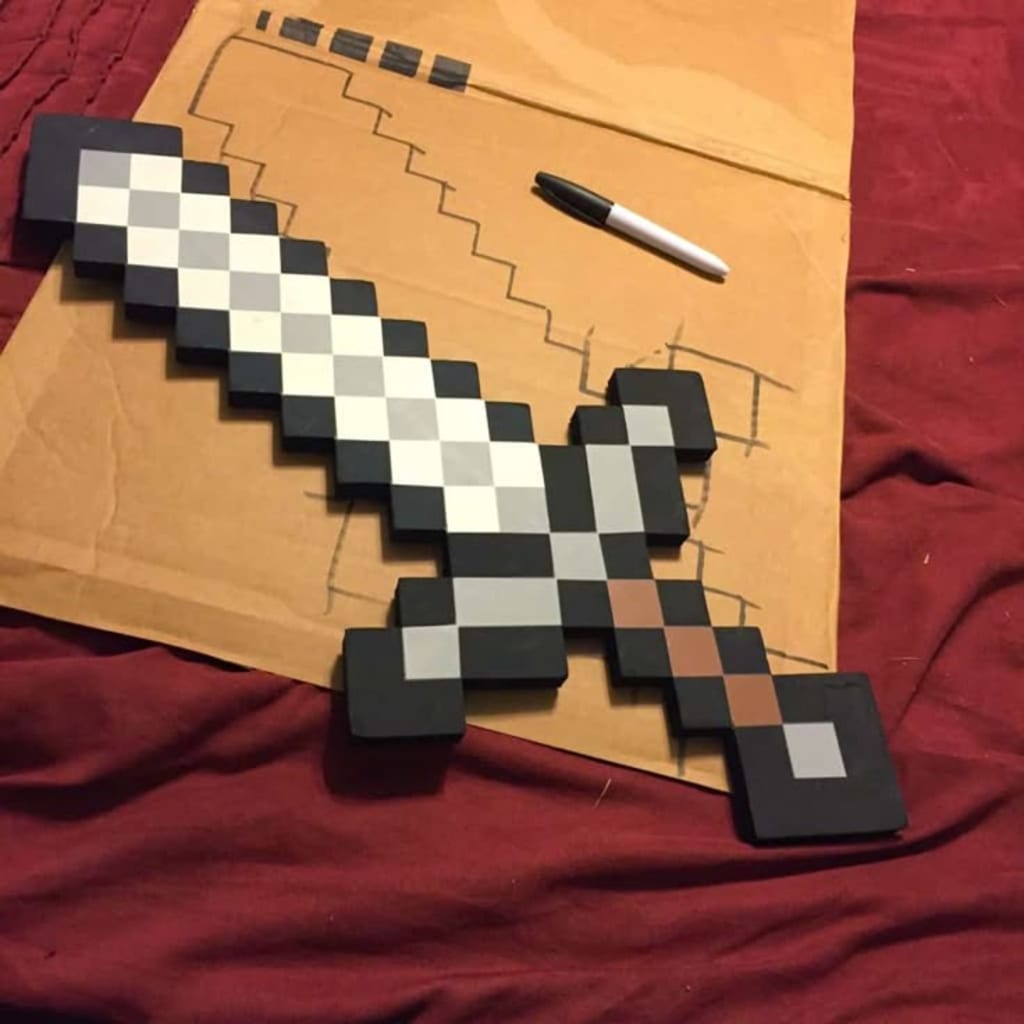
Sword Craft: A Historical and Artistic Exploration
Swordcraft, also known as the art of sword making and the practice of wielding swords, represents a rich and diverse tradition that spans many centuries and cultures. From ancient times to modern-day enthusiasts, swordcraft is both a skill and a living cultural heritage. This exploration delves into the various aspects of swordcraft, including its history, craftsmanship, techniques, and its enduring appeal in both martial arts and popular culture.
The History of Sword Craft
The sword is one of humanity’s oldest and most iconic weapons, dating back to the Bronze Age around 3,000 BCE. Early examples of swords, forged from bronze, represented both a technological leap and a status symbol. As iron and later steel became more accessible, the sword evolved into more effective and durable tools of war. By the time of the Roman Empire, the gladius, a short sword, became a hallmark of Roman military might.
The Middle Ages, especially in Europe, saw the development of the longsword, an elegant yet deadly weapon. Knights and warriors trained rigorously in swordsmanship, considering the sword not only a weapon but a symbol of honor, duty, and chivalry. In feudal Japan, swordcraft took on its own unique form, where the katana became an emblem of the samurai class. Japanese sword-making techniques, perfected over centuries, were renowned for their sophistication and artistry.
As societies advanced, so too did the craft of sword making. The forging process became more refined, with blacksmiths and swordsmiths perfecting techniques like folding steel to remove impurities and enhance the metal’s strength. In the East, Japanese swordsmiths employed a process of folding the steel to create distinctive patterns in the blade, contributing to both its strength and beauty. The famous “folding” method created the characteristic hamon, a tempering line that reflects the blade's composition and the skill of the swordsmith.
The Craft of Sword Making
Sword making is a combination of metallurgy, craftsmanship, and artistry. The process begins with selecting the right material, typically a form of steel, although some historical blades were made from iron or bronze. Modern swordsmiths generally use high-carbon steel, which offers strength and flexibility, critical qualities for a functional sword.
The forging process begins with the heating of the metal until it becomes malleable. The metal is then hammered and shaped into a rough blade, a process that requires both skill and precision. During this stage, the blacksmith often performs several “folding” techniques, stacking the metal layers and then hammering them out to improve strength and remove impurities.
After the basic shape is achieved, the blade is sharpened and tempered. The tempering process involves heating the blade to a specific temperature and then cooling it in a controlled manner, typically in oil or water, to create a hard edge and a more flexible spine. This careful balance between hardness and flexibility is essential for ensuring the blade’s resilience during use.
In traditional sword-making, particularly in Japan, aesthetic considerations are just as important as functionality. The blade's curvature, for instance, is a critical feature. The katana, for example, has a distinctive curve that enhances cutting efficiency, and the shape of the blade is a result of the folding and tempering processes. The final product is often highly polished, with intricate details such as the creation of the "hamon" or temper line that not only shows the craftsmanship but also reflects the forging process.
Beyond the blade, a sword’s hilt, guard, and pommel must be crafted with precision and care. The hilt is typically wrapped in materials such as leather or silk, designed for both comfort and grip. The guard, known as the tsuba in Japanese swords, is crafted to prevent the user’s hand from slipping onto the blade and to provide balance. The pommel helps counterbalance the blade’s weight and is often elaborately decorated with symbolic designs.
Sword Fighting and Martial Arts
Swordcraft is not solely about making swords—it’s also about using them effectively in combat. Swordsmanship, the art of wielding a sword, is an integral aspect of many cultures. In Europe, swordsmanship evolved as both a martial discipline and a sport. Medieval knights practiced techniques to engage in battle, focusing on strikes, thrusts, parries, and defensive maneuvers. The long, heavy swords of the period required a combination of strength, endurance, and technical skill.
The German tradition of swordsmanship, codified by Johannes Liechtenauer in the 14th century, is one of the most well-documented systems. This system emphasized the use of "master strikes," which were basic principles of offensive and defensive techniques. Liechtenauer’s teachings were passed down through manuscripts that are still studied by historical European martial arts (HEMA) practitioners today.
Meanwhile, in Japan, the samurai developed their own system of sword fighting called Kenjutsu. Unlike European sword techniques, which focused on armored combat and more aggressive fighting, Japanese swordsmanship emphasized precision, speed, and cutting ability, often focusing on the katana’s single, razor-sharp edge. The art of Kenjutsu evolved into modern Kendo, a sport that simulates sword combat using bamboo swords (shinai) and protective gear, allowing for safe practice while preserving the discipline’s spirit.
One of the most famous practices associated with Japanese swordsmanship is the “Iaido” discipline. Iaido focuses on the swift drawing and cutting of the katana, and its practitioners study forms (known as kata) that simulate real-world combat scenarios. In contrast to the more aggressive European approaches, Iaido is about grace, precision, and controlling one’s energy while wielding the sword.
In addition to these historical martial arts, modern fencing is a descendant of traditional sword fighting. The thrusting techniques of classical European fencing have evolved into the competitive sport of fencing seen in the Olympics today, where swords are used in a more controlled, regulated manner to score points rather than to injure.
The Symbolism and Cultural Significance of Sword Craft
The sword holds great cultural significance across various societies. It is often seen as a symbol of strength, honor, and status. In many cultures, the sword was not just a weapon but a sacred object, often associated with warriors, kings, and gods. In Western tradition, the sword symbolizes nobility and chivalric virtue. Many of the tales of King Arthur and the knights of the Round Table center around the sword, such as Excalibur, which is imbued with magical properties and serves as a tool for uniting the kingdom.
In Eastern cultures, the katana of the samurai class is not merely a weapon but an object of reverence and philosophical importance. The sword represents the balance of life and death, the harmony of physical prowess and spiritual discipline. The meticulous process of crafting a katana reflects a deep respect for both the material world and the spiritual world, where the samurai’s blade becomes an extension of the soul.
The sword also frequently appears in literature, film, and other forms of storytelling. The appeal of sword fighting is evident in classic works like “The Three Musketeers” or modern films such as “Star Wars,” where lightsabers, an imagined form of the sword, stand in for themes of honor, legacy, and power.
Sword Craft in the Modern World
Today, swordcraft has evolved into a niche yet highly respected craft. Some swordsmiths continue to create functional weapons for collectors or reenactment purposes, while others focus on artistic creations for display. There are still those who practice traditional sword-making techniques, preserving methods passed down through generations, particularly in countries like Japan, where swordsmithing is a recognized national heritage.
Martial arts practitioners also continue to preserve and adapt ancient techniques. Historical European martial arts (HEMA) clubs, Japanese Kendo, and even fencing continue to attract practitioners who seek to master the way of the sword. These martial arts combine physical training with philosophy and mental discipline, offering a path to self-improvement and understanding.
In popular culture, swordcraft remains alive and well. It serves as a metaphor for personal growth and discipline, and it continues to inspire films, video games, and books that explore the hero’s journey and the pursuit of mastery.
Conclusion
Swordcraft, in its many forms, represents a deep connection to the past, a blend of art, combat, and culture. From the skilled blacksmith shaping a blade to the practitioner wielding it in combat or sport, swordcraft endures as a timeless tradition. It is an art form that preserves historical knowledge while remaining relevant in modern martial arts, cultural symbolism, and popular media. The sword, in all its forms, remains an enduring symbol of human ingenuity, discipline, and the pursuit of mastery.
About the Creator
Mine_Craft
I'm passionate about the art of crafting—bringing ideas to life with creativity, patience, and hands-on skill.
Keep reading
More stories from Mine_Craft and writers in 01 and other communities.
Table Decore Craft
Table Decor Craft: A Guide to Transforming Your Space with Creative Table Decorations Table decor is an essential aspect of interior design that combines aesthetics and functionality to create a welcoming, stylish atmosphere. It goes beyond the mere utility of a table and gives a space character and charm. From festive occasions to daily meals, table decor sets the mood, sparks conversation, and reflects personal style. Crafting your table decor can be a fun and rewarding way to showcase your creativity, whether you’re preparing for a holiday celebration, a dinner party, or simply dressing up your dining or coffee table.
By Mine_Craft9 months ago in 01
The API Security Risks Healthcare Leaders Can’t Afford to Overlook
Introduction: Why Healthcare APIs Are a Critical Risk Area Healthcare organizations increasingly rely on APIs to connect electronic health records (EHRs), patient portals, telemedicine platforms, and external service providers. This connectivity improves care coordination and operational efficiency, but it also expands the digital attack surface in ways many organizations underestimate.
By Sam Bishopabout 12 hours ago in 01



Comments
There are no comments for this story
Be the first to respond and start the conversation.