
Stress.
Understanding Stress. Causes, Effects, and Coping Strategies

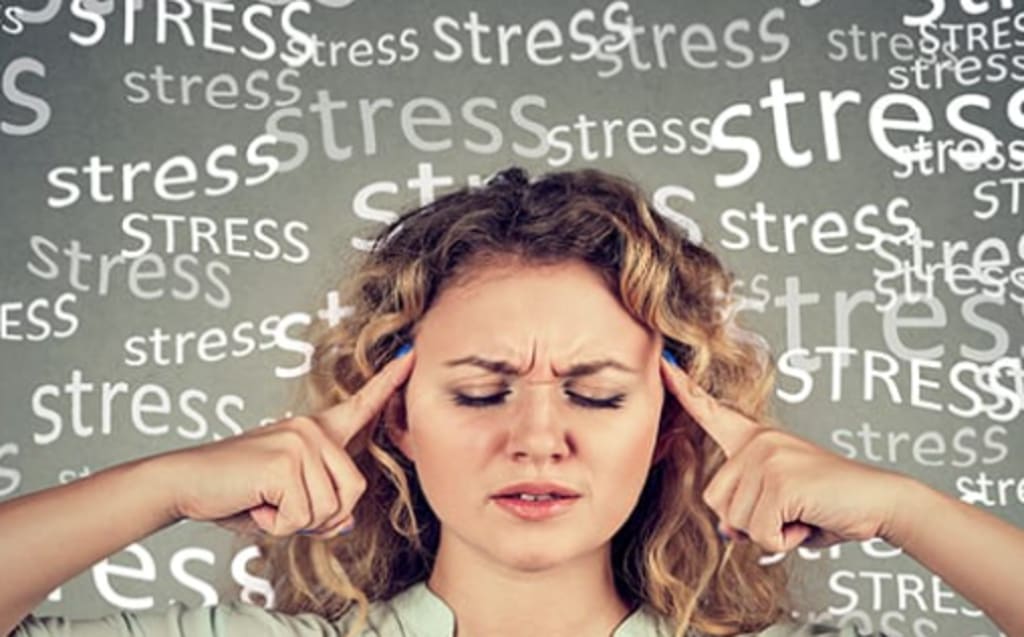
Stress is a natural reaction of the body and mind to challenges or demands. It is a part of everyday life and affects people of all ages, genders, and backgrounds. While stress in small amounts can be beneficial—helping us stay alert, motivated, and focused—too much stress, especially when it becomes chronic, can be harmful to both physical and mental health.
What Causes Stress?
Stress can be triggered by a wide variety of factors, known as “stressors.” These stressors can be external (such as work pressure, financial issues, relationship problems, or major life changes) or internal (such as negative thoughts, anxiety, or unrealistic expectations).
Some common sources of stress include:
Work or school pressures: Deadlines, heavy workloads, or job insecurity can lead to stress.
Family issues: Conflicts with parents, spouses, or children may cause emotional tension.
Financial worries: Debt, low income, or rising expenses can create constant worry.
Health concerns: Chronic illnesses or sudden medical problems may increase mental strain.
Major life changes: Events like moving, getting married, having a baby, or losing a loved one are stressful even if they are positive.
Physical and Mental Effects of Stress
Stress affects nearly every system in the body. When a person is stressed, the body releases hormones like cortisol and adrenaline that prepare it for “fight or flight.” This reaction is helpful in dangerous situations, but if it continues for too long, it can be damaging.
Physical effects of stress include:
Headaches or migraines
Fatigue and lack of energy
Muscle tension or pain
Upset stomach or digestive problems
Sleep difficulties or insomnia
Weakened immune system
Mental and emotional effects of stress may include:
Anxiety and nervousness
Irritability or mood swings
Feeling overwhelmed or helpless
Difficulty concentrating
Depression or hopelessness
Over time, chronic stress can lead to serious health conditions such as heart disease, high blood pressure, diabetes, and mental illnesses like depression and anxiety disorders.
Coping with Stress
Managing stress effectively is important for maintaining overall well-being. Everyone responds to stress differently, but there are several proven strategies that can help reduce and manage it:
Exercise Regularly: Physical activity helps reduce stress hormones and boosts mood-enhancing chemicals like endorphins. Even a short walk can make a big difference.
Practice Mindfulness and Relaxation: Deep breathing, meditation, and yoga can calm the mind and body. Spending a few minutes a day in quiet reflection can significantly reduce stress.
Get Enough Sleep: Lack of sleep worsens stress. Aim for 7–9 hours of good-quality sleep each night.
Eat a Balanced Diet: Eating healthy foods provides the body with energy and nutrients to handle stress better. Avoid excessive caffeine, sugar, and alcohol.
Stay Connected: Talking to friends, family, or a counselor can provide emotional support and relieve stress. Don’t isolate yourself when feeling overwhelmed.
Set Realistic Goals: Break large tasks into smaller, manageable steps. Don’t try to do everything at once. Learn to say “no” when needed.
Take Breaks and Rest: Regular breaks during work or studies can refresh the mind and improve focus. Allow time for hobbies and activities you enjoy.
Seek Professional Help: If stress becomes unmanageable or leads to anxiety or depression, consult a doctor, therapist, or counselor.
Conclusion
Stress is an unavoidable part of life, but it doesn't have to control us. By understanding what causes stress and recognizing its effects, we can take proactive steps to manage it. Whether it’s through lifestyle changes, seeking support, or learning relaxation techniques, stress can be reduced and controlled. A healthy mind and body are better equipped to face life’s challenges with strength, balance, and peace.
#stress #control #depression #tension #anxiety #mind #set #hope #life #enjoy
About the Creator
Keep reading
More stories from Tariq jamil and writers in 01 and other communities.
Deadly Cloudburst Devastates Buner, Pakistan on Independence Day.
A Rare and Violent Weather Event Meteorologists confirmed that the cloudburst brought more than 150 millimeters of rainfall in less than an hour. In the steep valleys of Buner, such an intense downpour instantly transformed streams into raging torrents. Entire slopes of mountains collapsed, sweeping away homes, markets, and farmland. Locals described the sound of the flood as “like an earthquake mixed with thunder,” giving residents no chance to escape.
By Tariq jamil7 months ago in 01
Transforming Digital Video Delivery with VPaaS Solutions and Video Platforms
In today’s digital-first world, video has become one of the most powerful tools for communication, marketing, education, and entertainment. Businesses, content creators, and educational institutions rely heavily on video to engage audiences, convey messages, and deliver information efficiently. However, managing, hosting, and distributing video content at scale presents unique challenges, including bandwidth limitations, latency, storage management, and maintaining high-quality playback across different devices. To address these challenges, organizations are increasingly turning to VPaaS solutions (Video Platform as a Service) and video platforms as integrated solutions for end-to-end video management and delivery.
By Bushra Rajpoot7 days ago in 01
RAG on Mobile: Embedding Vector Databases in Production
The industry is changing. By 2026, we have moved away from cloud AI. We now favor "Local-First" architectures. These systems prioritize user privacy. They offer offline functionality. They also reduce network latency. This shift toward RAG on mobile is a major transition. RAG stands for Retrieval-Augmented Generation. It is a way to give AI better context.
By Devin Rosario4 days ago in 01
Tatt~Master
— Assembly Line Tatt Machine ~ Impressions to Impress — As I begin to understand more about the Tattoo Phenomenon. I've written silly, yet verbatim, dating site anecdotes in 'Frazzled.' So let me ask you: Would you be More attracted to someone slathered with tattoos, or Less?
By Jay Kantorabout 20 hours ago in Humor


Comments
There are no comments for this story
Be the first to respond and start the conversation.