
Streamlining Recruitment: The Power of Effective Job Description Templates
Job Description Templates
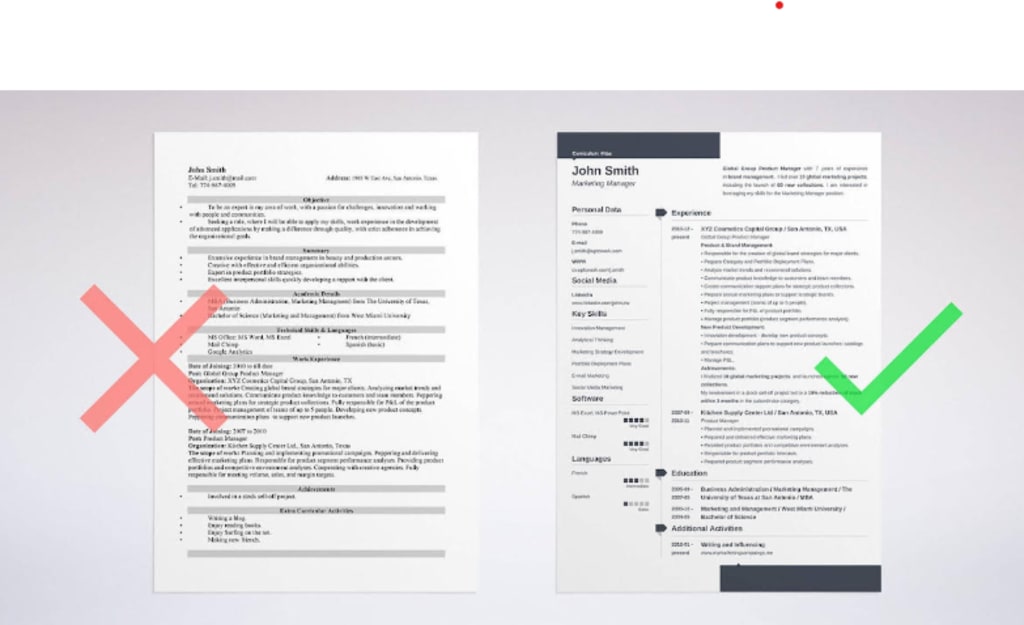
Hiring the right talent begins with a clear and compelling job description. In today’s competitive job market, organizations can’t afford to leave job postings vague or unstructured. Candidates want clarity, employers want qualified applicants, and recruiters want efficient processes. That’s where job description templates come into play—they offer a streamlined solution to creating consistent, informative, and effective job postings across roles and departments.
A job description serves as the foundation for recruitment, setting expectations for both the employer and potential hires. However, many businesses struggle with writing descriptions that strike the right balance between detail and clarity. Job description templates eliminate much of that challenge, offering pre-formatted frameworks that can be easily customized for various roles.
Why Job Descriptions Matter in Hiring
Before diving into the value of templates, it’s important to understand the broader role of job descriptions in hiring. At their core, job descriptions define the responsibilities, skills, qualifications, and expectations associated with a particular position. A well-written description not only informs candidates about what the job entails but also helps hiring managers align expectations internally.
Moreover, job descriptions are often used as legal documents. They help ensure compliance with labor laws and serve as references for performance evaluations, promotions, and even legal disputes. That’s why consistency and accuracy are crucial. A poorly written or ambiguous job post can result in attracting the wrong applicants or worse—creating confusion once a candidate is hired.
For HR departments and recruiters managing multiple open roles, creating each job description from scratch is time-consuming and prone to inconsistencies. This is exactly the issue that job description templates are designed to resolve.
The Advantages of Using Job Description Templates
Templates provide a consistent format for listing job responsibilities, qualifications, and other key elements. This structure not only saves time but also ensures that important sections aren’t overlooked. For example, a typical job description template includes areas like:
●Job Title
●Summary of the Role
●Duties and Responsibilities
●Required Skills and Qualifications
●Preferred Experience
●Work Environment or Conditions
●Reporting Structure
Using templates ensures that every job posting maintains a professional tone and comprehensive content, regardless of who is preparing it. For organizations with multiple hiring managers or departments, this uniformity is essential for maintaining brand consistency and avoiding discrepancies in communication.
Templates are also valuable in reducing unconscious bias. By standardizing language and format, companies can avoid subjective or potentially exclusionary wording that might deter qualified candidates. In this way, job description templates support diversity, equity, and inclusion efforts within recruitment.
Saving Time and Boosting Efficiency
One of the biggest benefits of job description templates is the time they save. Rather than drafting a new description from scratch, HR personnel can start with a base document tailored to a specific job family—such as accounting, marketing, IT, or customer service—and simply adjust the details to match the specific position.
This speed is especially useful for businesses experiencing rapid growth, high turnover, or seasonal hiring spikes. Having a library of templates allows HR teams to respond quickly to staffing needs without sacrificing quality or accuracy.
In addition, templates make onboarding smoother for new HR professionals or recruiters. They offer clear guidance on how to structure postings and what information to include, serving as a training tool as well as a productivity booster.
Customization is Key
Although templates offer structure, it’s important not to rely on them blindly. Each job role is unique, and templated descriptions still need to be customized to reflect the specific duties, company culture, and departmental goals. This means updating task lists, soft skills, and specific tools or systems used in the role.
Moreover, businesses should take the opportunity to inject brand personality into their job postings. The tone of the description—whether formal, casual, or enthusiastic—should align with the company’s voice and culture. Templates should be used as starting points, not final drafts.
Regularly updating templates is also necessary. As industries evolve and roles change, the expectations for certain positions may shift. For instance, a marketing coordinator role from five years ago might not include today’s emphasis on social media metrics or AI tools. Maintaining current, relevant templates helps companies remain competitive in attracting top talent.
Enhancing Collaboration Across Departments
Job descriptions often involve input from various stakeholders—HR, department heads, team leads, and even legal or compliance teams. Templates provide a centralized format for collaboration, reducing confusion and making it easier to gather feedback or approvals.
With cloud-based HR platforms, templates can be stored and shared digitally, enabling collaborative editing and real-time updates. This kind of integration ensures everyone involved in the hiring process is on the same page and that job descriptions go live without unnecessary delays.
In larger organizations, standardized templates also help with workforce planning and organizational design. By ensuring every role is documented in a consistent way, leadership can better analyze staffing needs, identify skill gaps, and create development pathways for employees.
Legal and Compliance Considerations
A well-drafted job description isn't just a recruiting tool—it's also a form of legal documentation. If disputes arise regarding employee responsibilities, hours, or expectations, the job description becomes a point of reference.
Using templates ensures that essential compliance-related language is included in every description. For example, equal opportunity statements, physical demands of the job, and expectations for overtime or travel should be consistently represented across all roles.
Legal teams can review and approve a master set of templates, giving HR teams confidence that every job description meets internal standards and legal requirements. This proactive step reduces legal risks and creates a safer hiring environment for all involved.
Where to Find Quality Job Description Templates
Not all templates are created equal. Some are overly generic, while others may lack essential components. It’s important to use resources that are industry-specific, customizable, and regularly updated to reflect modern hiring practices.
If you’re seeking a reliable library of role-specific examples, you can explore Job Description Templates, which provide comprehensive and professionally written samples across a wide range of industries. These templates offer detailed breakdowns of responsibilities, qualifications, and skills—making it easier to tailor each listing to your needs while maintaining a polished, professional format.
Final Thoughts on Template-Driven Hiring
In today’s fast-paced recruitment environment, efficiency and consistency are more important than ever. Job description templates allow businesses to maintain a high standard in their hiring materials while reducing the administrative burden on HR teams. When used thoughtfully and customized for each role, templates help attract qualified candidates, streamline the hiring process, and support organizational growth.
Whether you're a small business owner or part of a large HR department, having a reliable set of templates is a smart investment in your hiring infrastructure. With the right foundation in place, you can focus on what really matters—finding the best people for the job.
About the Creator
Keep reading
More stories from Seo Musarrat and writers in 01 and other communities.
Why Unblocked Games Are So Popular Among Students
Unblocked games are becoming more and more popular among students of all ages. Whether it’s during a lunch break, free period, or after school, students often turn to these games for quick fun and entertainment. But why are unblocked games gaining so much attention, especially in school settings? In this article, we’ll explore the many reasons why students love playing unblocked games and why this trend keeps growing.
By Seo Musarrat10 months ago in 01



Comments
There are no comments for this story
Be the first to respond and start the conversation.