
Streamline Packaging Processes with Planning Solutions
Streamline packaging processes with planning solutions to boost efficiency, reduce waste, and improve productivity using tools like Timefold.

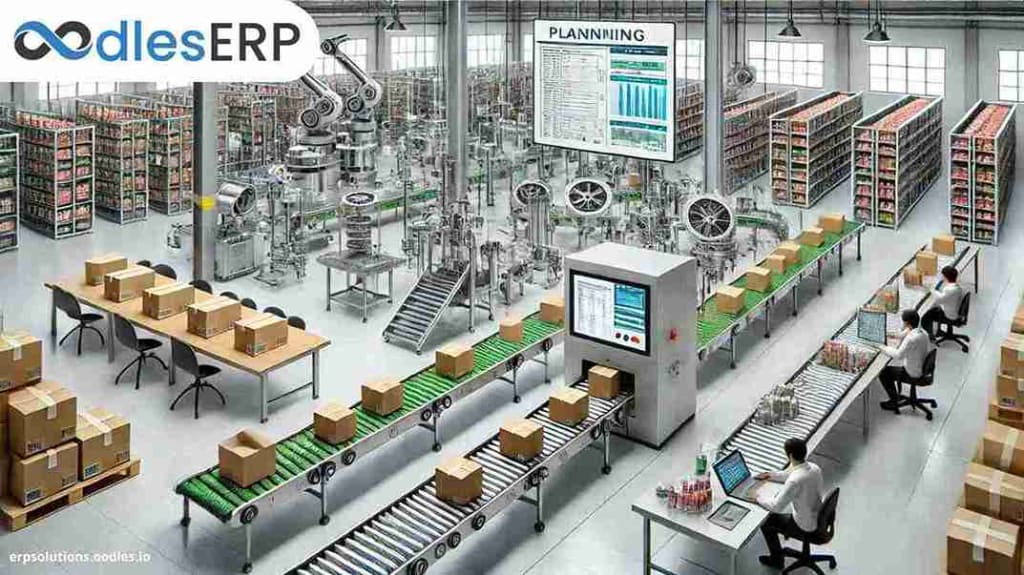
In today’s fast-paced food packaging industry, optimizing operations is critical to maintaining competitiveness. Companies are under constant pressure to streamline their processes, reduce operational inefficiencies, and ensure the timely delivery of high-quality products. This is where planning solutions like Timefold (formerly known as OptaPlanner) come into play, offering advanced algorithms to enhance food packaging processes. In this article, we delve into the key challenges faced by the food packaging industry, how planning solutions can help overcome them, and how Timefold can revolutionize your packaging operations to drive efficiency and profitability.
Challenges in the Food Packaging Industry
The food packaging industry is rife with challenges, from fluctuating consumer demands to stringent regulatory compliance. Businesses must adapt to these dynamics while maintaining efficiency. Here are some of the primary challenges:
Rising Demand for Customization
Consumers are increasingly looking for personalized products, which forces packaging lines to handle frequent product variations. This requires flexible, adaptable processes that can accommodate different packaging sizes, designs, and formats without causing downtime.
Regulatory Compliance
Food safety regulations are becoming more stringent. Companies must ensure that their processes meet hygiene standards and regulatory requirements. Failing to comply can result in costly recalls, damaged reputation, and even legal penalties.
Sustainability Pressures
There’s growing demand for environmentally friendly packaging solutions. Companies must integrate sustainable materials and packaging practices into their operations while maintaining cost efficiency.
Resource Constraints
With rising labor costs and limited material availability, companies need to utilize every resource—whether human or material—effectively to stay competitive. This requires precise coordination and planning.
The Role of Planning Solutions in Packaging Efficiency
Effective planning and scheduling are at the core of any well-run food packaging operation. With the right planning solutions, businesses can avoid production delays, prevent material shortages, and reduce wasted labor hours. By using data-driven strategies, companies can optimize every aspect of the packaging process, from managing supply chains to scheduling machine usage.
Key Benefits of Planning Solutions
Improved Production Scheduling
With advanced planning, companies can create precise production schedules that align labor, machinery, and material needs. This reduces downtime, minimizes bottlenecks, and ensures that all operations run smoothly.
Optimized Inventory Management
Good planning ensures that materials are ordered and stocked efficiently. This prevents shortages or excess inventory, both of which can disrupt production and increase costs.
Resource Allocation
Planning solutions help businesses use their labor and machinery as efficiently as possible. This leads to a reduction in wasted resources and ensures that production capacity is maximized.
Supply Chain Synchronization
Packaging processes are closely tied to the supply chain. Efficient planning aligns packaging schedules with upstream suppliers and downstream distributors, ensuring timely deliveries and avoiding costly delays.
How Timefold Optimizes Food Packaging Processes
Timefold is an open-source constraint solver designed to address complex scheduling and planning challenges. It has proven highly effective in the food packaging industry by enabling companies to optimize multiple aspects of their operations simultaneously.
Key Features of Timefold
Optimized Scheduling Algorithms
Timefold’s advanced algorithms take into account all relevant factors—such as machine availability, labor shifts, and maintenance requirements—to generate the most efficient production schedules. This ensures that every resource is utilized to its full potential.
Real-Time Adjustments
In food packaging, unexpected issues can arise, such as machine malfunctions or supply chain disruptions. Timefold allows businesses to make real-time adjustments to their schedules, ensuring that production can continue with minimal interruption.
Minimizing Downtime
By considering factors like machine maintenance and labor availability, Timefold helps companies minimize downtime and keep their production lines running efficiently. This results in higher productivity and reduced operational costs.
Efficient Resource Utilization
Timefold ensures that every aspect of the production process, from labor shifts to machinery and raw materials, is used as efficiently as possible. This reduces waste and boosts overall output.
Scalability
Whether you’re a small packaging operation or a large multinational, Timefold can scale to meet the complexity of your business. Its flexibility allows it to grow alongside your company, ensuring that you continue to optimize your packaging processes as your business expands.
Benefits of Streamlining Food Packaging with Timefold
Increased Productivity
Timefold optimizes your scheduling and resource allocation, enabling your company to process higher volumes of work without the need for additional resources. This leads to a direct increase in productivity.
Cost Reduction
By minimizing downtime, reducing waste, and ensuring that every resource is used efficiently, Timefold significantly reduces operational costs. This allows companies to operate more profitably while maintaining high standards of production.
Agility in Operations
One of Timefold’s key strengths is its ability to adapt to changes in real-time. Whether you’re facing a sudden surge in demand, supply chain disruptions, or equipment failures, Timefold ensures that your packaging operations remain agile and responsive.
Sustainability Gains
Timefold helps companies integrate sustainability into their packaging processes by optimizing material usage and reducing waste. This not only helps businesses meet environmental targets but also contributes to cost savings.
Timefold in Action: Use Cases in Food Packaging
Several food packaging companies have successfully integrated Timefold into their operations, achieving notable efficiency and cost savings improvements. Below are some real-world examples of how Timefold is making a difference.
Optimizing Production Lines
Timefold enables food packaging companies to coordinate machine schedules with labor shifts more effectively. By reducing idle time and optimizing shift patterns, these companies have significantly improved production continuity and efficiency.
Handling Fluctuating Demand
In the food packaging industry, demand can fluctuate wildly. Timefold helps companies adjust their schedules in real-time to accommodate changing customer orders, ensuring that packaging lines remain productive even during periods of high demand.
For More Details, Visit:
https://erpsolutions.oodles.io/blog/streamlining-food-packaging-processes/
About the Creator
Oodles ERP
Oodles is a leading ERP development company that provides end-to-end custom ERP development services to cross-industry enterprises. Combine your crucial business processes effectively with our ERP integration.
Keep reading
More stories from Oodles ERP and writers in 01 and other communities.
Custom ERP Solutions for Managing Renewable Energy Projects
The Growing Need for Custom ERP Solutions in the Renewable Energy Sector The renewable energy industry has seen massive growth in the last decade, driven by the global push for sustainability and reducing carbon footprints. Solar, wind, hydropower, and bioenergy projects are now at the forefront of this movement. However, managing these complex, large-scale projects presents challenges that traditional management systems often can’t address. This is where custom ERP solutions come into play for renewable energy projects.
By Oodles ERPabout a year ago in 01
What Breaks in Hospitality Apps Built for San Diego Visitors?
Emily Rodriguez first noticed the problem on a Saturday afternoon. The lobby was busy. Guests were checking in early, others were returning from the beach, and the concierge desk was fielding the same questions it had answered all morning. Directions. Check-out times. Restaurant recommendations. Service requests.
By Nick William5 days ago in 01


Comments
There are no comments for this story
Be the first to respond and start the conversation.