
Strategies to Enhance Employee Mental Well-Being
How to Improve Employee Mental Health
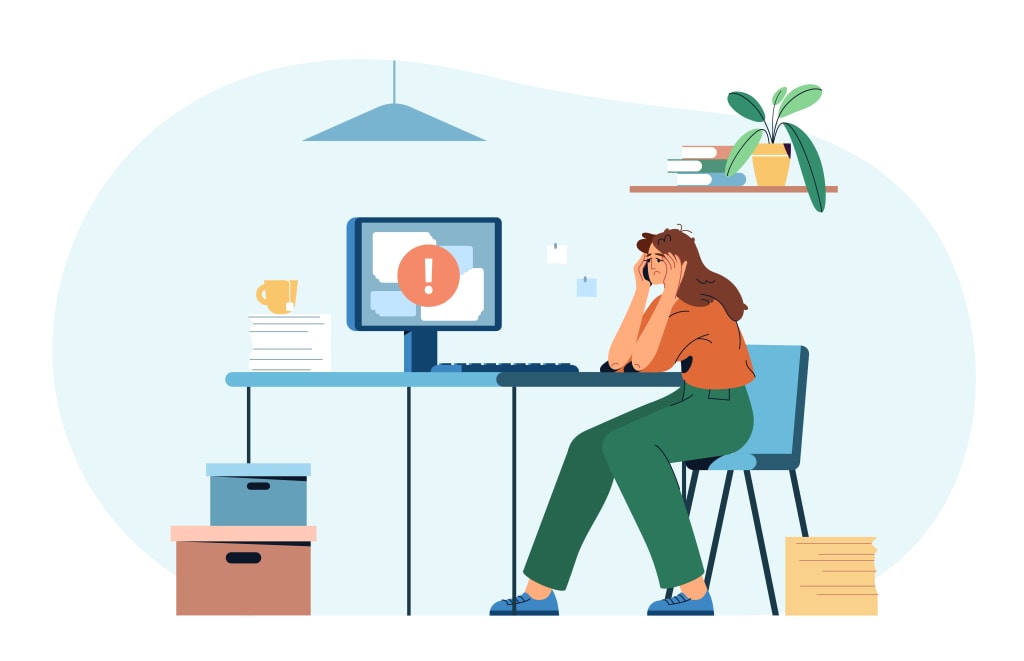
Employee mental health is a critical component of a thriving workplace. In today's fast-paced and ever-changing business environment, organizations must recognize that supporting mental well-being is not just a moral imperative but also a strategic one. A workforce that feels valued, supported, and mentally healthy is more engaged, productive, and innovative. Improving employee mental health goes beyond offering occasional support; it requires a holistic and sustained effort to create an environment where mental well-being is ingrained in the company culture. Here are some actionable steps companies can take to enhance employee mental health.
1. Create a Supportive Work Environment
Foster Open Communication
Developing a culture of open communication is essential for addressing mental health in the workplace. Employees should feel comfortable discussing their mental health concerns without fear of judgment or stigma. This involves:
- Encouraging Transparency: Promote honest conversations about mental health through regular meetings, workshops, or seminars.
- Psychological Safety: Ensure that employees know their voices are heard and respected, creating a safe space for sharing concerns.
Leadership can model this behavior by sharing their own experiences and emphasizing that mental health is a priority for everyone.
Implement Mental Health Policies
Clear policies demonstrate an organization's commitment to mental well-being. These policies might include:
- Employee Assistance Programs (EAPs): Provide access to confidential counseling and support services.
- Mental Health Days: Offer designated days for employees to focus on their mental well-being without using vacation or sick leave.
- Flexible Work Arrangements: Allow for remote work or flexible scheduling to accommodate individual needs.
Regularly review and update these policies to ensure they meet the evolving needs of your workforce.
2. Promote Work-Life Balance
Set Clear Boundaries
Encouraging a healthy work-life balance is crucial for preventing burnout. Companies can:
- Discourage After-Hours Work: Set expectations that employees should not feel obligated to work outside of regular hours.
- Respect Personal Time: Avoid scheduling meetings or sending communications during evenings and weekends.
Leadership should model this behavior to reinforce its importance.
Offer Flexible Scheduling
Providing flexibility helps employees manage personal responsibilities alongside their professional ones:
- Remote Work Options: Allow employees to work from home when possible.
- Flexible Hours: Let employees adjust their schedules to fit their personal lives, reducing stress and increasing satisfaction.
Flexibility can lead to increased productivity as employees work during their most effective hours.
3. Provide Mental Health Resources
Access to Professional Support
Ensure that employees have access to professional mental health services:
- In-House Counseling: Hire mental health professionals who are available on-site.
- Third-Party Services: Partner with external providers to offer confidential support.
Promote these resources regularly so employees are aware of the support available to them.
Implement programs that promote overall well-being:
- Yoga and Meditation Classes: Offer sessions that teach stress-reduction techniques.
- Fitness Programs: Encourage physical activity through gym memberships or organized exercise groups.
- Mindfulness Workshops: Provide training on mindfulness practices to help employees stay present and manage stress.
Such programs can improve morale and foster a sense of community.
4. Train Managers on Mental Health Awareness
Recognize Signs of Distress
Managers should be equipped to identify when team members may be struggling:
- Training Sessions: Provide education on common signs of stress, anxiety, and burnout.
- Observation Skills: Teach managers to notice changes in behavior, productivity, or engagement.
Early recognition allows for timely support and intervention.
Communicate Sensitively
Approaching mental health conversations requires care:
- Empathy and Confidentiality: Train managers to listen without judgment and maintain privacy.
- Supportive Dialogue: Encourage open-ended questions and active listening to understand employees' needs.
Managers should know how to guide employees toward available resources.
Provide Support and Accommodations
Empower managers to make adjustments that aid employees' well-being:
- Adjust Workloads: Temporarily reduce responsibilities if needed.
- Flexible Deadlines: Allow for extensions when appropriate.
These accommodations can make a significant difference in an employee's ability to cope.
5. Encourage Physical Health
Promote Regular Breaks
Taking breaks is essential for maintaining focus and reducing stress:
- Scheduled Breaks: Encourage short, regular breaks throughout the day.
- Break Areas: Create comfortable spaces where employees can relax and recharge.
Regular downtime helps prevent burnout and boosts productivity.
Facilitate Physical Activity
Physical health supports mental well-being:
- On-Site Facilities: Provide a gym or exercise space if possible.
- Group Activities: Organize walks, runs, or sports teams.
- Standing Desks: Offer ergonomic options to reduce sedentary behavior.
Promote initiatives that make physical activity accessible and enjoyable.
6. Foster Teamwork and Connection
Team-Building Activities
Strengthening relationships among employees enhances support networks:
- Social Events: Host gatherings, celebrations, or virtual meet-ups.
- Workshops and Retreats: Provide opportunities for team development and collaboration.
These activities reduce isolation and build a sense of belonging.
Employee Recognition Programs
Acknowledging achievements boosts morale:
- Formal Recognition: Implement award programs for outstanding work.
- Informal Praise: Encourage managers to regularly acknowledge contributions.
Feeling appreciated can significantly improve an employee's mental health.
7. Provide Clear Expectations and Autonomy
Define Roles Clearly
Uncertainty can lead to stress:
- Detailed Job Descriptions: Clearly outline responsibilities and expectations.
- Regular Updates: Communicate any changes promptly.
Clarity helps employees focus and reduces anxiety.
Empower Employees
Trusting employees fosters confidence and satisfaction:
- Autonomy in Tasks: Allow employees to determine how they complete their work.
- Avoid Micromanagement: Provide guidance but avoid excessive oversight.
Empowerment leads to increased engagement and innovation.
8. Conduct Regular Check-Ins
One-on-One Meetings
Regular interactions help identify issues early:
- Discuss Workloads: Ensure employees are not overwhelmed.
- Address Concerns: Provide a safe space for employees to share challenges.
These meetings demonstrate that management cares about employee well-being.
Establish Feedback Loops
Collecting feedback informs better support strategies:
- Surveys and Suggestion Boxes: Offer anonymous ways to share thoughts.
- Open Forums: Hold meetings where employees can voice opinions.
Acting on feedback shows a commitment to continuous improvement.
Conclusion
Improving employee mental health requires ongoing dedication from leadership, management, and staff. By creating a supportive, flexible, and empathetic work environment, organizations can foster mental well-being, reduce stress, and enhance productivity and job satisfaction. Investing in mental health is not just beneficial for employees; it also contributes to the overall success and resilience of the company. A mentally healthy workforce is better equipped to face challenges, adapt to change, and drive innovation. Prioritizing mental health is an investment in your most valuable asset—your people. Visit FocusU to know more.
About the Creator
Best React Datetime Pickers for 2026: Top Libraries
Look, I get it. You're staring at your React project right now, wondering why picking a stupid date has to be this complicated. Should've been simple, yeah? But here we are in 2026, and somehow we've got more datetime picker options than there are days in a bloody year.
By Sherry Walkerabout 4 hours ago in 01
How to Choose the Best Mobile App Development Company 2026
Google has fundamentally transitioned. It is now an Authority Validation layer. This change occurred in early 2026. Selecting a development partner now requires a new process. You must audit their footprint within the Trust Graph. Do not just review static portfolios. Static images are easy to fake now.
By Devin Rosario5 days ago in 01




Comments
There are no comments for this story
Be the first to respond and start the conversation.