
Starting Small: Your Guide to Reading the Bible for the First Time
How to Start Reading the Bible: A Beginner’s Guide

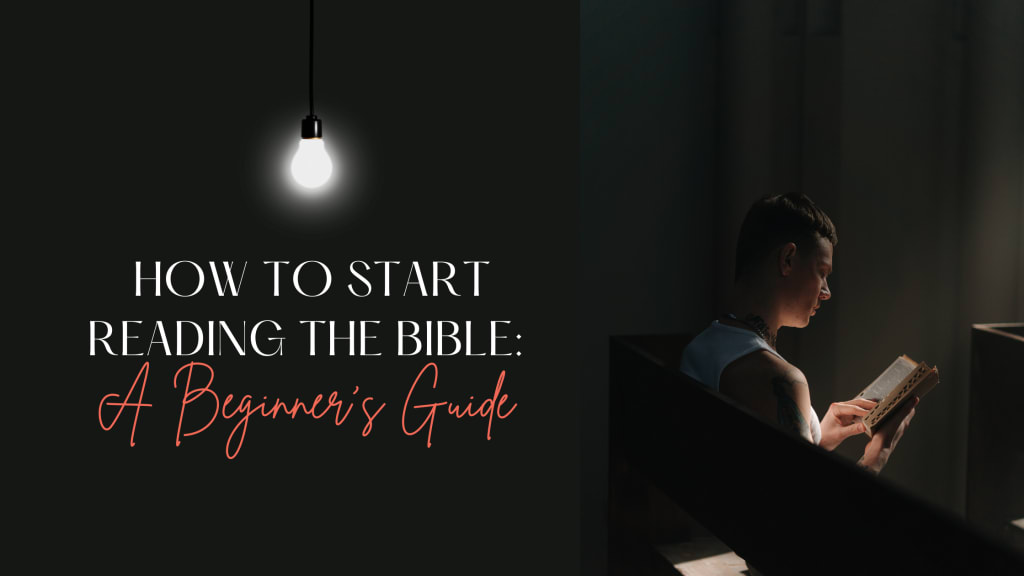
Opening the Bible for the first time can feel overwhelming. The sheer size of the text, its historical depth, and the unfamiliarity of its language might make it seem like an intimidating task. But it doesn’t have to be this way! The Bible is not just a historical document or a set of ancient stories; it’s a divine gift filled with wisdom, encouragement, and guidance for every stage of life. More importantly, it’s God’s personal message of love and redemption, written for you. If you’ve been wondering how to begin reading the Bible, this step-by-step guide will help you start your journey with confidence and purpose, making it meaningful and inspiring.
1. Start with a Heart of Prayer
Before you open the Bible, take a moment to pray. This step might seem simple, but it’s incredibly powerful. Prayer invites God into your reading experience, helping you approach scripture with the right mindset. Ask Him to guide your thoughts, open your understanding, and speak to you through His Word.
Your prayer doesn’t have to be elaborate. A simple, heartfelt prayer like, “Lord, as I read Your Word today, please guide me and help me understand what You want me to learn,” is enough. Prayer sets the tone for a spiritual connection and helps you approach the Bible with a humble and open heart.
2. Pick the Right Book to Start With
The Bible is a collection of 66 books, each with its own unique message and purpose. This diversity can be overwhelming, so knowing where to start is crucial. While it might seem logical to begin at the very first book, Genesis, you don’t have to read the Bible from cover to cover.
For beginners, the Gospel of John is an excellent starting point. It’s one of the four accounts of Jesus’ life and teachings, and it presents His story in a way that is both profound and approachable. The Gospel of John focuses on God’s love and His invitation to eternal life through Jesus, making it a perfect entry point.
If you’re looking for something reflective, try the Book of Psalms. This collection of heartfelt prayers and songs covers every human emotion—joy, sorrow, gratitude, and despair—offering comfort and encouragement. On the other hand, if you want practical life advice, the Book of Proverbs is filled with timeless wisdom for daily living.
3. Make It a Daily Habit
Like any new discipline, consistency is the key to success when it comes to reading the Bible. Set aside a specific time each day to read, whether it’s in the morning, during a lunch break, or before bedtime. Starting small is perfectly fine—just 10 to 15 minutes a day is a great way to begin.
Creating a habit helps you stay committed and ensures that scripture becomes a regular part of your routine. Over time, as your interest grows, you may find yourself wanting to spend more time with God’s Word. Consider setting a reminder or using a Bible reading app to help you stay on track.
If possible, choose a quiet space where you can read without distractions. Having a dedicated spot for your Bible time can make it feel more special and sacred, helping you focus on the spiritual connection.
4. Reflect and Apply
Reading the Bible isn’t just about absorbing information; it’s about transformation. As you read, take time to reflect on what the verses mean for your life. Ask yourself questions like:
“What is God teaching me here?”
“How does this passage apply to my current situation?”
“Is there a command to follow or a promise to hold onto?”
Jotting down your thoughts in a journal can be incredibly helpful. Writing allows you to process what you’ve read and provides a record of your spiritual journey. Over time, you’ll be able to look back and see how God has been working in your life through His Word.
Reflection helps you move from simply reading the Bible to living it out in your daily life. For example, if you read a passage about forgiveness, think about how you can practice forgiveness in your own relationships. The goal is not just to understand the Bible but to let it transform your heart and actions.
5. Don’t Go It Alone
While personal Bible reading is important, studying scripture with others can bring a whole new level of understanding and encouragement. Joining a Bible study group allows you to discuss what you’re reading, ask questions, and learn from others’ perspectives.
If a group setting isn’t an option, consider sharing your Bible journey with a friend or family member. Having someone to talk to about what you’re learning can help reinforce your commitment and deepen your insights.
Many churches and online communities offer resources for beginners, including guided Bible studies and discussion forums. Engaging with a community of believers can make your Bible-reading experience richer and more rewarding.
6. Use Helpful Resources
Don’t be afraid to use tools to help you understand the Bible better. Study Bibles, commentaries, and devotionals can provide helpful context and explanations for challenging passages. Bible apps often include reading plans and additional resources tailored to beginners.
For example, a study Bible might include footnotes that explain the cultural or historical background of a passage, while a devotional can provide insights on how to apply scripture to your everyday life. These resources are like having a guide to help you navigate the text and deepen your understanding.
7. Be Patient with Yourself
Finally, remember that reading the Bible is a journey, not a race. It’s okay if you don’t understand everything right away or if you miss a day here and there. The goal is not perfection but connection with God.
As you continue reading, you’ll grow in your understanding and relationship with Him. Over time, what once felt overwhelming will become a source of joy and strength. Celebrate the small steps and trust that God is working in your heart through His Word.
Conclusion
Starting to read the Bible is one of the most rewarding steps you can take in your faith journey. By approaching it with prayer, choosing the right book, building a consistent habit, and reflecting on its meaning, you’ll find that scripture becomes a source of encouragement, wisdom, and guidance.
Don’t hesitate to involve others in your journey and use resources to support your understanding. Most importantly, be patient and open to what God wants to teach you. His Word is a lamp to your feet and a light to your path (Psalm 119:105), guiding you every step of the way.
Begin today with an open heart, and let the Bible transform your life one verse at a time. Remember, this journey is about growing closer to God and allowing His message of love and redemption to shape your life.https://actssocial.com/blog/how-to-start-reading-bible-beginners-guide
About the Creator
Amanda Daniels
Changing social media to make a positive Christian impact on peoples lives
Keep reading
More stories from Amanda Daniels and writers in 01 and other communities.
Best Christian Apps for a Faith - Focused Life
In today's world, technology plays a significant role in shaping the way we live, work, and connect with others. As Christians, this means there are numerous opportunities to deepen our faith, stay connected with fellow believers, and enrich our spiritual journeys using digital tools. Christian apps offer an incredible variety of resources that can help you grow in your faith, engage with your community, and build a deeper relationship with God. Whether you're looking for Bible study tools, devotional reflections, prayer support, or ways to serve others, there's an app for that. In this comprehensive guide, we explore the best Christian apps across different categories and why incorporating them into your daily routine can be transformative.
By Amanda Daniels10 months ago in 01
Smart Cloud Security Tips for a Safer Home Network
In these days’s virtual age, cloud offerings have come to be an imperative part of our personal and professional lives. From storing a circle of relatives' snap shots to coping with economic statistics and smart home devices, the cloud offers convenience and accessibility like by no means before. However, with comfort comes a chance. Cyber threats are evolving swiftly, and domestic customers are increasingly turning into targets. Ensuring your house cloud surroundings are secure is now not optionally available—it’s crucial. Here are smart cloud protection recommendations that will help you shield your private home community and private data.
By Muhammad Hanzla6 days ago in 01
Rachel Reviews: The Spiral Archive by Pieter Hendrik
It's difficult for me to know where to start with a review of this book as it was, for me, an entirely unique experience and one that I'll probably never have again. I don't want that to be interpreted as unenjoyable but it has left me scratching my head a little and ruminating on its content, its themes and its characters.
By Rachel Deeming3 days ago in BookClub




Comments
There are no comments for this story
Be the first to respond and start the conversation.