
Social Media's Hidden Toll on Teens: A Guide for Concerned Parents
social media effects

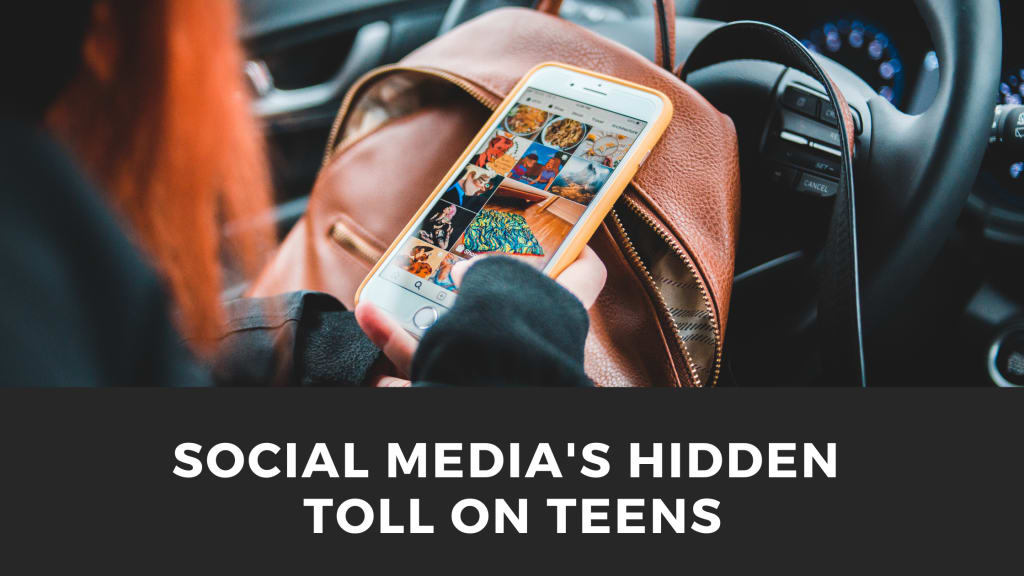
In today's digital age, social media has become a central part of teenage life. Platforms like Instagram, TikTok, Snapchat, and YouTube are not just where teens share memes, post selfies, and stay connected with friends—they’ve become essential hubs of social interaction, self-expression, and entertainment. However, while these platforms provide many benefits, they also come with significant risks, especially when it comes to the mental and emotional well-being of adolescents. As parents, it’s crucial to understand these challenges and take proactive steps to ensure that our teens can navigate the digital world safely and healthily.
The Growing Role of Social Media in Teen Lives
It’s no surprise that social media plays a massive role in teenagers' lives today. According to a report by the Pew Research Center, nearly 95% of U.S. teenagers (ages 13-17) reported using social media in 2022. With such high usage rates, it’s clear that these platforms have become deeply ingrained in the way teens communicate, express themselves, and form relationships. In fact, over a third of teens now report using social media "almost constantly."
Among the most popular platforms are YouTube, TikTok, Snapchat, and Instagram, which offer teens a space to showcase their creativity, share their lives, and consume content from influencers, celebrities, and peers. These platforms have revolutionized how teenagers interact with each other, but they’ve also created new challenges that didn’t exist in the pre-internet age.
The Hidden Dangers of Social Media for Teens
While social media has undeniable benefits—like fostering friendships, sparking creativity, and helping teens find communities of like-minded individuals—it also comes with hidden dangers that can significantly affect teens' mental health and self-esteem. Below are some of the most concerning risks:
1. Mental Health Issues: The Impact of Perfect Lives
One of the most common dangers associated with social media use is the constant exposure to curated, often idealized portrayals of other people’s lives. Social media influencers, celebrities, and even peers post images of their "perfect" lives—highlighting only the best moments. This can create an unrealistic standard that many teens feel pressured to measure up to.
When teens see edited photos, glamorous vacations, and seemingly perfect relationships, it can lead to feelings of inadequacy, anxiety, and depression. Social comparison is a natural part of growing up, but social media amplifies it, making it easy for teens to compare themselves to others constantly. Studies have shown a link between social media use and poor mental health, with increased exposure to idealized images leading to negative body image, self-doubt, and low self-esteem.
2. Cyberbullying: The Dark Side of Anonymity
Another major concern related to social media use is cyberbullying. The anonymity provided by the internet allows people to say things they would never say in person. Unfortunately, this can lead to harsh, hurtful comments or even harassment. Unlike traditional bullying, which is usually confined to school grounds, cyberbullying can follow teens home, taking place in the safety of their own bedrooms and making it harder to escape.
The emotional toll of being bullied online can be profound. Teens who experience cyberbullying are at higher risk for anxiety, depression, and even suicidal thoughts. They may feel isolated, powerless, and unable to escape the constant stream of negativity that comes with online harassment. As parents, it’s essential to be vigilant and proactive about recognizing the signs of cyberbullying and stepping in to protect our kids.
3. Pressure to Conform: Loss of Individuality
Teens are naturally searching for a sense of identity and belonging, and social media has become a space where they feel pressure to conform to certain trends, looks, and behaviors. From participating in viral TikTok challenges to following the latest Instagram aesthetic, the desire to "fit in" online can push teens to adopt trends that may not align with their true selves.
This pressure to conform can lead to confusion about personal identity, as teens may begin to prioritize online approval over real-life authenticity. They may feel compelled to dress a certain way, act a certain way, or even change their opinions just to gain likes, comments, or followers. The result is a growing struggle with self-identity and authenticity, which can undermine a teen’s confidence and sense of self-worth.
4. Decreased Face-to-Face Social Skills
While social media connects people in many ways, it can also decrease face-to-face social interaction. Teens who spend more time online may struggle with in-person communication skills. They may find it difficult to navigate real-world conversations, make eye contact, or express themselves emotionally in a healthy way.
This lack of real-world socialization can have long-term effects on teens’ ability to build meaningful, supportive relationships outside of the digital realm. Parents must encourage their teens to balance online interactions with offline activities, such as sports, hobbies, and spending time with family and friends.
Practical Steps for Parents to Support Teens in the Digital World
As a parent, you play a crucial role in helping your teen navigate the world of social media in a healthy way. Below are some practical steps you can take to support your child while still allowing them to benefit from the positive aspects of social media:
1. Set Daily or Weekly Limits on Social Media Use
While it’s important not to restrict social media completely (as this may lead to frustration or rebellion), setting time limits on usage can help ensure that social media doesn’t consume too much of your teen’s time. Encourage them to use social media intentionally rather than mindlessly scrolling for hours. You can set specific times for social media use and encourage other offline activities, like reading, exercising, or spending time with family.
2. Teach Your Teen About Privacy Settings and Online Safety
One of the most important lessons teens need to learn is how to protect their privacy online. Make sure they understand how to adjust privacy settings on social media platforms to control who can see their posts, photos, and personal information. Teach them to avoid sharing sensitive information, like their location or private contact details, and encourage them to think critically about the content they post.
3. Encourage Offline Activities
In an age of constant connectivity, it’s crucial for teens to find a balance between their online and offline worlds. Encourage your teen to engage in activities that don’t involve screens—such as outdoor sports, creative hobbies, or family time. These activities help teens develop healthy coping mechanisms and create a well-rounded life outside of the pressures of social media.
4. Have Open Conversations About Online Experiences
Maintain an open line of communication with your teen about their experiences on social media. Encourage them to share both the positive and negative aspects of their online interactions. Discuss issues like cyberbullying, peer pressure, and body image openly and without judgment. The more you communicate, the more likely your teen will feel comfortable coming to you when something troubling happens online.
5. Be a Positive Role Model
Finally, as a parent, it’s important to model healthy social media behavior. Practice mindful use of social media yourself, avoiding excessive scrolling or posting. Show your teen how to engage positively and respectfully online, demonstrating the value of kindness, authenticity, and integrity in the digital world.
Conclusion: A Balanced Approach to Social Media
Social media is an integral part of modern life, especially for teenagers. While it offers many opportunities for connection, creativity, and self-expression, it also comes with significant risks to mental health, self-esteem, and well-being. As parents, understanding the dangers and providing appropriate guidance can help our teens use social media in a way that is safe, positive, and empowering.
By setting boundaries, educating our kids about online safety, encouraging offline activities, and maintaining open conversations, we can help our teens navigate the digital landscape with confidence and resilience. With our love, wisdom, and support, we can empower them to harness the benefits of social media while protecting them from its potential harms.https://actssocial.com/blog/social-medias-hidden-toll-on-teens-guide-for-concerned-parents
About the Creator
Amanda Daniels
Changing social media to make a positive Christian impact on peoples lives
Keep reading
More stories from Amanda Daniels and writers in 01 and other communities.
How Businesses Actually Choose the Best SEO Services Today?
Most businesses do not begin their SEO search with excitement. They begin with frustration. They have tried agencies that promised rankings without explaining trade-offs. They have paid for reports that looked impressive but changed nothing. By the time they start looking again, the question is no longer who sounds confident. It is who understands consequences.
By Jane Smith5 days ago in 01
Wild Card Weekend Recap: What Happens Now?
I think I figured out why I love Wild Card Weekend so much. It's because it's the first playoff anything of the calendar year. The NFL season starts in the fall, and once upon a time, the champion was crowned either on or slightly before New Year's. The evolution of the NFL schedule has resulted in the playoffs starting just into the New Year, and currently, the final week of the season falls on the first weekend of the New Year, with Wild Card Weekend coming a week after that. So yes, chronologically, the NFL's Wild Card Weekend serves as the first playoff anything of the calendar year.
By Clyde E. Dawkins7 days ago in Unbalanced




Comments
There are no comments for this story
Be the first to respond and start the conversation.