
Smart Classrooms: The Future of Modern Education
How Technology is Transforming Traditional Classrooms into Interactive, Student-Centric Learning Hubs
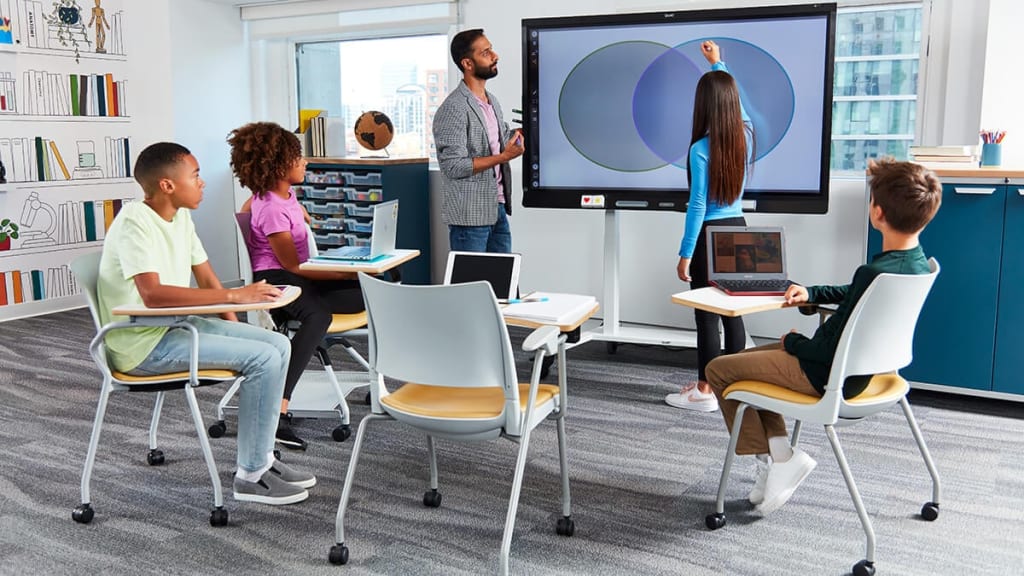
The traditional chalk-and-talk teaching model is steadily giving way to a more dynamic and interactive learning environment — the smart classroom. With the integration of cutting-edge technologies and digital tools, smart classrooms are redefining how educators teach and how students learn. They are not just a trend but a transformative shift in the education system that addresses the evolving needs of 21st-century learners.
What is a Smart Classroom?
A smart classroom is a tech-enabled learning space designed to enhance the teaching and learning experience through interactive devices, real-time collaboration tools, and advanced software solutions. These classrooms utilize a range of educational technologies such as interactive displays, high-definition video conferencing systems, learning management systems (LMS), audio enhancements, and cloud-based platforms.
The goal is simple yet impactful: to make learning more engaging, inclusive, and effective.
Key Components of a Smart Classroom
Interactive Displays and Whiteboards
Replacing traditional blackboards, interactive displays allow teachers and students to annotate, draw, highlight, and interact with digital content in real time. This promotes visual learning and enhances concept clarity.
Audio-Visual Solutions
High-definition cameras, microphones, and speakers ensure that every student hears and sees clearly — even in large classrooms or remote learning environments. This is particularly valuable for hybrid or distance learning.
Digital Learning Content
Teachers can access a wide range of e-learning resources, including videos, simulations, quizzes, and presentations, all of which help in catering to different learning styles.
Cloud Connectivity and LMS Integration
Cloud-based platforms allow for seamless sharing of resources, assignments, and feedback. Learning Management Systems enable tracking of student progress and personalized learning paths.
Collaboration Tools
Students can engage in real-time discussions, polls, and group work, whether they are in the classroom or joining remotely. These tools promote participation and build critical thinking skills.
Benefits of Smart Classrooms
1. Enhanced Engagement
Smart classrooms turn passive learners into active participants. Interactive content, gamification, and multimedia resources grab students’ attention and make learning fun.
2. Personalized Learning
Smart classrooms can adapt to different learning paces. Whether a student is a visual learner, an auditory learner, or prefers hands-on experience, the tools and content can be customized accordingly.
3. Improved Teacher Efficiency
Educators can plan lessons more efficiently using pre-loaded content and templates. They can also assess performance quickly with digital tests and analytics, reducing administrative workload.
4. Seamless Hybrid Learning
In a post-pandemic world, the ability to switch between in-person and online teaching is crucial. Smart classrooms are equipped to support both, ensuring continuity of education regardless of location.
5. Real-Time Feedback and Assessment
Teachers can instantly assess student understanding through quizzes, polls, and feedback tools. This allows for timely intervention and support where needed.
Challenges in Implementation
Despite the numerous benefits, setting up smart classrooms comes with its own set of challenges. Budget constraints, lack of teacher training, and inconsistent internet connectivity can hinder the adoption of smart technologies in schools, especially in rural or underserved areas.
However, with government initiatives, public-private partnerships, and increasing affordability of edtech solutions, these barriers are gradually being addressed.
The Role of Teachers in Smart Classrooms
Technology is a tool — not a replacement for teachers. The role of educators becomes even more important in a smart classroom. Teachers act as facilitators, guiding students through interactive content, encouraging inquiry, and fostering a growth mindset.
Professional development and training in using digital tools effectively are essential to maximizing the potential of smart classrooms.
The Future Outlook
As education continues to evolve, the demand for smart classrooms will only increase. Artificial intelligence, augmented reality (AR), and virtual reality (VR) are already making their way into classrooms, creating immersive learning experiences. Future smart classrooms may include AI-powered tutors, real-time language translation, and predictive analytics to identify learning gaps before they widen.
Smart classrooms are not just about technology — they represent a cultural shift toward a more collaborative, inclusive, and student-centric approach to education.
About the Creator
Trump Accounts
In recent policy discussions, the phrase “Trump accounts” has gained attention across political and financial circles. Many people are asking questions such as what are Trump accounts, how they might work, and whether they could reshape the way families plan financially for their children. While the idea is still closely tied to political debate and legislative processes, the proposal highlights a broader conversation about long-term savings, economic opportunity, and government-supported financial tools for younger generations.
By Saboor Brohi 3 days ago in 01


Comments (1)
Smart classrooms sound like a great idea. I like how they use tech to make learning more interactive. I remember when I was in school, we had nothing like this. It would've been cool to have interactive displays. Do you think these classrooms are gonna fully replace traditional ones soon? And how do you think teachers are adapting to these new teaching methods?