
Small Concrete Plant for Sale: Boosting Productivity in Limited-Space Worksites
How Compact Concrete Plants Maximize Efficiency in Tight Construction Spaces

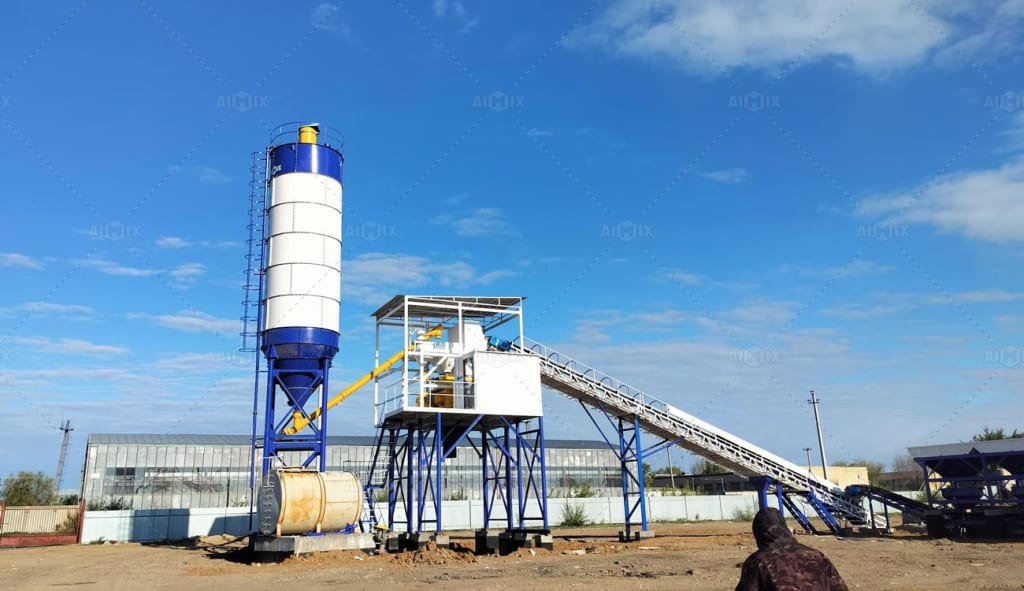
The demand for concrete in construction is universal, but not every project has the space, budget, or scale to justify a large batching facility. In urban developments, renovation works, or small-scale infrastructure projects, a small concrete plant for sale offers a compact yet powerful solution. These plants are designed to deliver consistent, high-quality concrete while fitting into tight spaces and operating with lower resource requirements.
In this article, we explore how small concrete plants enhance productivity in limited-space worksites, the features to look for, and how to maximize their potential.
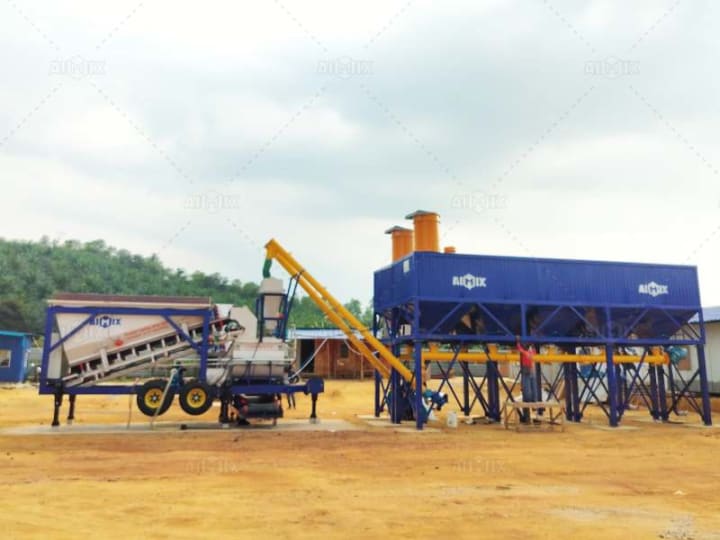
Why Small Concrete Plants are Ideal for Space-Constrained Projects
Construction sites in cities, congested industrial areas, or remote villages often face significant space limitations. A full-scale stationary batching plant may not be feasible due to the footprint required for equipment, storage silos, and vehicle maneuvering.
Small concrete plants solve this challenge by offering:
Compact footprints — designed to fit into small plots without sacrificing output quality.
Simplified setup — many small plants are mobile or semi-mobile, allowing rapid installation and relocation.
Reduced logistical needs — less space for material storage and truck access, making them practical for busy streets or confined plots.
For contractors working on residential complexes, road repairs, or community infrastructure, this translates into less disruption, faster project initiation, and smoother operations.
Key Features of Modern Small Concrete Plants
When searching for a small concrete plant for sale, it’s important to focus on features that improve both productivity and adaptability.
1. Compact Design with Efficient Layout
Modern small batching plants optimize every inch of available space. Aggregate bins, mixers, and control systems are arranged to minimize footprint while allowing easy operator access.
2. High-Precision Batching
Even in small models, advanced weighing systems and automated controls ensure accurate dosing of aggregates, cement, water, and admixtures. This precision guarantees consistent concrete quality, which is essential for structural reliability.
3. Portability and Quick Setup
Many small concrete plants are skid-mounted or trailer-mounted, allowing relocation within hours. Hydraulic lifting systems, pre-wired modules, and quick-connect utilities further reduce setup time.
4. Low Energy Consumption
Smaller motors, efficient mixers, and optional variable frequency drives (VFDs) keep energy use low. This benefits contractors aiming to reduce operational costs or meet green building standards.
5. Easy Maintenance
Accessible components, simplified lubrication points, and self-cleaning mixer systems help reduce downtime and prolong equipment life.
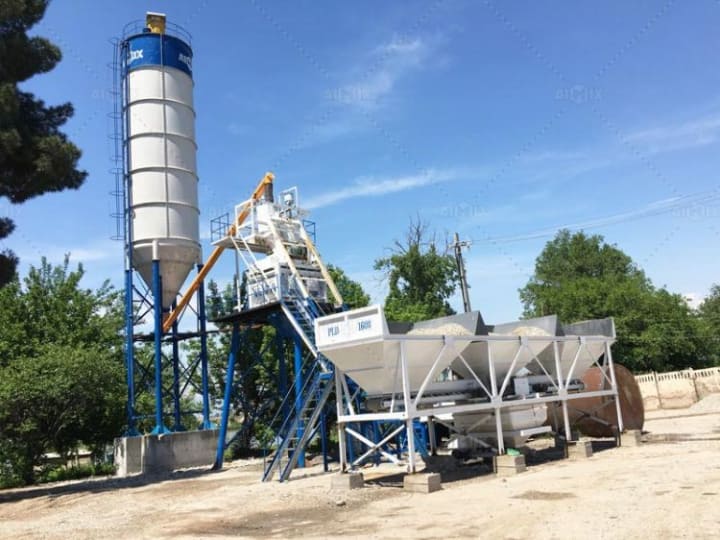
Productivity Benefits in Limited-Space Environments
A. Faster On-Site Concrete Availability
A small concrete plant placed close to the construction site eliminates long transport times. This ensures that fresh, workable concrete is available on demand, reducing waiting time for concrete trucks and preventing material wastage due to setting during transport.
B. Lower Material Handling Requirements
With materials stored right at the batching location, the need for multiple handling steps is reduced. This means fewer forklifts, loaders, and transport vehicles clogging the worksite.
C. Flexible Production Scheduling
Unlike large plants that may prioritize high-volume orders, a dedicated small plant can produce mixes exactly when the project needs them — including specialized batches for different structural components.
D. Improved Quality Control
Being on-site allows for real-time adjustments to mix designs based on weather, curing requirements, or specific structural needs. This flexibility ensures optimal performance without the delays of off-site batching.
Choosing the Right Small Concrete Plant for Sale
Not all small concrete plants are the same. Contractors should assess the following factors before making a purchase:
Output Capacity — Match the plant’s hourly production rate to your project requirements. Small plants typically range from 20 m³/h to 50 m³/h.
Mixer Type — Twin-shaft mixers are ideal for high-strength concrete, while planetary mixers work well for precast and specialty mixes.
Automation Level — Consider plants with PLC-based controls, touchscreen interfaces, and recipe storage for efficiency.
Mobility Options — Determine if you need a fully mobile trailer unit or a semi-fixed skid-mounted plant.
After-Sales Support — Reliable local service, spare parts availability, and technical training can make a significant difference in uptime.
Real-World Applications
Urban High-Rise Projects: Space around city construction sites is scarce. A small plant can be positioned in a nearby lot or basement-level staging area to feed concrete continuously.
Bridge and Road Repairs: Quick setup and relocation allow contractors to move the plant along a project route, reducing transport distances.
Precast Manufacturing: Small plants are ideal for small to medium precast yards, where batch consistency and compact layouts are essential.
Remote Community Projects: In rural areas with limited infrastructure, mobile batch plants provide autonomy and reduce dependency on distant suppliers.
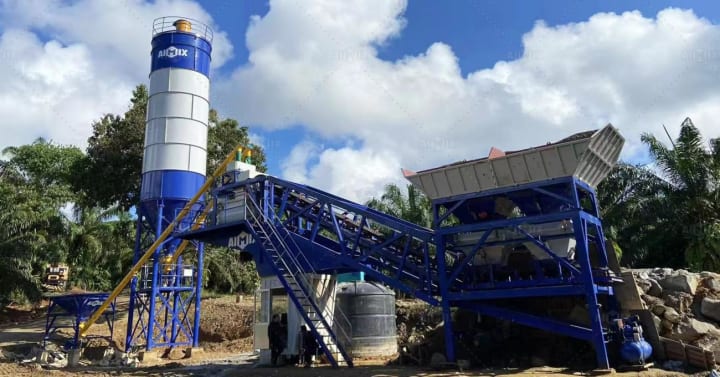
Maximizing Productivity with a Small Concrete Plant
To fully benefit from a small concrete plant for sale, contractors should implement these best practices:
Optimize Material Flow: Position raw material storage for minimal loader travel and easy feeding.
Use Digital Tracking: Monitor batch counts, mix designs, and production volumes with integrated software to improve planning.
Train Operators: Skilled plant operators can identify potential issues early and keep production running smoothly.
Plan for Scalability: Choose a plant that can be upgraded with extra bins, mixers, or automation features as your workload grows.
Conclusion: Compact Size, Big Impact
A small concrete plant for sale can be a game-changer for contractors working in confined environments. With the right features, setup strategy, and maintenance plan, these plants deliver consistent, high-quality concrete while improving productivity and reducing project delays.
As urbanization continues and more projects face space restrictions, small concrete plants will become an essential part of the modern construction toolkit — proving that in batching, size is not the only measure of capability.
About the Creator
consrtuctionmachines
AIMIX is a customer-center-oriented heavy equipment manufacturer and supplier, devoted to production, innovation, combination, one-stop solution, etc.
https://aimixgroup.com/
Keep reading
More stories from consrtuctionmachines and writers in 01 and other communities.
Making the Best Choice by Comparing Concrete Mixer Prices in Nigeria
Choosing the right concrete mixer in Nigeria involves more than finding the lowest price. Understanding various factors that affect pricing can help you make a wise decision. By exploring different types of mixers and their costs, you can find a solution that fits your project needs and budget.
By consrtuctionmachines5 months ago in 01
How to Choose the Best Mobile App Development Company 2026
Google has fundamentally transitioned. It is now an Authority Validation layer. This change occurred in early 2026. Selecting a development partner now requires a new process. You must audit their footprint within the Trust Graph. Do not just review static portfolios. Static images are easy to fake now.
By Devin Rosario5 days ago in 01



Comments
There are no comments for this story
Be the first to respond and start the conversation.