
Security Measures and Best Practices for eWallet App Development
Best Practices and Security Measures for eWallet App Development

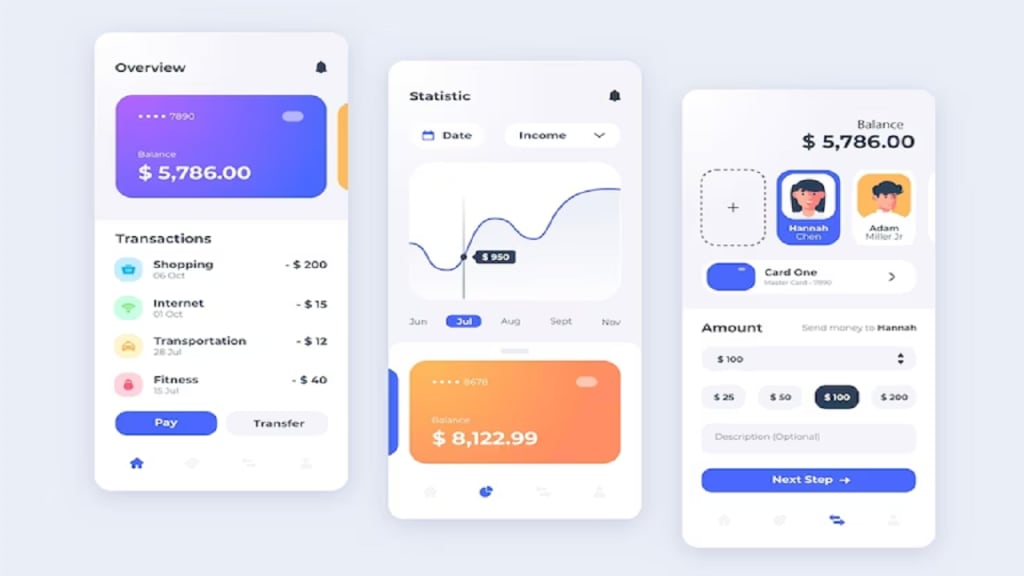
With the rapid rise in digital transactions and the increasing popularity of smartphones, eWallet applications have become an integral part of our daily lives. These apps allow users to store, manage, and transact funds conveniently, making them a target for cybercriminals.
Therefore, it is crucial to implement robust security measures and best practices during eWallet app development to protect user data and ensure secure transactions. This article discusses the key security measures and best practices that developers should consider when building an eWallet application.
Secure Authentication Mechanisms:
A strong authentication mechanism is the first line of defense against unauthorized access to eWallet accounts. Implementing multi-factor authentication (MFA) can significantly enhance security. MFA combines multiple factors such as passwords, biometrics (fingerprint or face recognition), and one-time passwords (OTP) to verify user identities. Additionally, developers should enforce strong password policies, including password complexity requirements and periodic password changes.
End-to-End Encryption:
To protect user data from interception and unauthorized access, it is essential to implement end-to-end encryption. All sensitive information transmitted between the eWallet app and the server should be encrypted using robust encryption algorithms. SSL/TLS protocols can be used to establish secure connections and encrypt data in transit.
Secure Data Storage:
The eWallet app must securely store user data, including personal information, transaction history, and payment details. Developers should utilize strong encryption algorithms to encrypt the stored data, ensuring that even if the database is compromised, the data remains unreadable. Employing secure key management practices is also crucial to safeguard encryption keys and prevent unauthorized access to encrypted data.
Regular Security Audits and Penetration Testing:
Regular security audits and penetration testing should be conducted to identify vulnerabilities and weaknesses in the eWallet app's infrastructure. This involves assessing the app's source code, network infrastructure, and server configurations. Through security audits, developers can proactively address security loopholes, apply necessary patches and updates, and ensure compliance with industry security standards.
Secure Network Connections:
The eWallet app should establish secure connections with the backend servers. Developers should utilize secure communication protocols, such as HTTPS, to encrypt data transmitted over the network. Implementing certificate pinning can further enhance security by preventing man-in-the-middle attacks.
Robust Authorization and Access Control:
Implementing granular authorization and access control mechanisms is crucial to prevent unauthorized access to sensitive functionalities and data within the eWallet app. Role-based access control (RBAC) can be used to define user roles and permissions, ensuring that each user has access only to the functionalities and data required for their role. Developers should also enforce session timeouts and implement mechanisms to detect and prevent session hijacking and replay attacks.
Regular Updates and Patches:
Keeping the eWallet app updated with the latest security patches is essential to protect against known vulnerabilities. Developers should closely monitor security advisories and promptly apply updates to the app's underlying frameworks, libraries, and dependencies. Regularly updating the app also helps to address newly identified security risks and enhance overall security posture.
Secure Payment Gateway Integration:
When integrating payment gateways into the eWallet app, developers should ensure the use of trusted and PCI DSS-compliant payment providers. This ensures that financial transactions are handled securely and that sensitive payment information is not stored on the app's servers. It is essential to verify the reputation and security measures of payment gateway providers before integration.
User Education and Awareness:
While developers play a crucial role in building secure eWallet apps, user education and awareness are equally important. Implementing in-app security features, providing clear instructions on setting strong passwords and recognizing phishing attempts, and educating users about best security practices can help users protect their accounts from unauthorized access.
Conclusion:
Building a secure eWallet app requires a comprehensive approach that encompasses strong authentication, data encryption, secure network connections, regular security audits, and user education. By implementing the security measures and best practices outlined in this article, developers can significantly enhance the security posture of their eWallet applications and protect user data from potential threats. Continuous monitoring, updating, and staying informed about the latest security trends and vulnerabilities are vital to maintaining the integrity and trustworthiness of the eWallet app in the ever-evolving threat landscape.
About the Creator
Bhavika
Bhavika is the SEO Executive.
How to Choose a Web Design Agency for Long-Term Product Growth
If you are looking at a site like a catalog of past work and thinking about hiring a web design agency for B2B and product teams, you are probably already past the phase where “making it look good” is the main problem.
By Valeriia Shulga5 days ago in 01
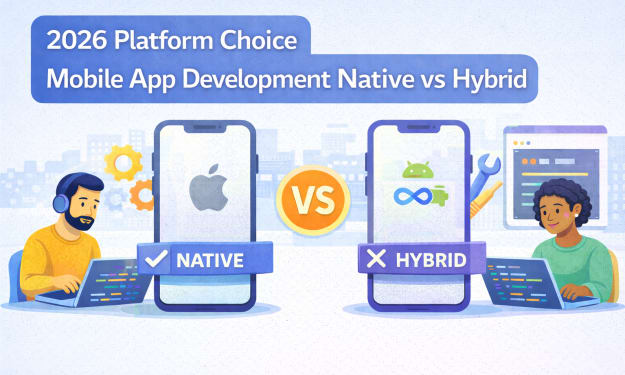
2026 Platform Choice Mobile App Development Native vs Hybrid
In 2026, mobile app development native vs hybrid is no longer a framework debate. It reflects a tectonic shift inside the Google ecosystem where AI Retrieval, Zero Click discovery, and entity-level evaluation now shape risk exposure, authority loss, and strategic realignment for every mobile product.
By Samantha Blake5 days ago in 01
Miss Persephone's Manual to a Seemingly Ordinary Life
Miss Persephone was found at the dining table, her blue eyes swollen, her tears arriving and retreating like the tides of the ocean. Earlier that day, her family had visited her in the retirement home where she had lived for eight years. It was her eightieth birthday.
By Imola Tóth4 days ago in Fiction


Comments
There are no comments for this story
Be the first to respond and start the conversation.