
Scalable Types of Concrete Batching Plant for Growing Concrete Businesses
How Modular Design, Mobility, and Capacity Planning Enable Sustainable Growth for Concrete Producers

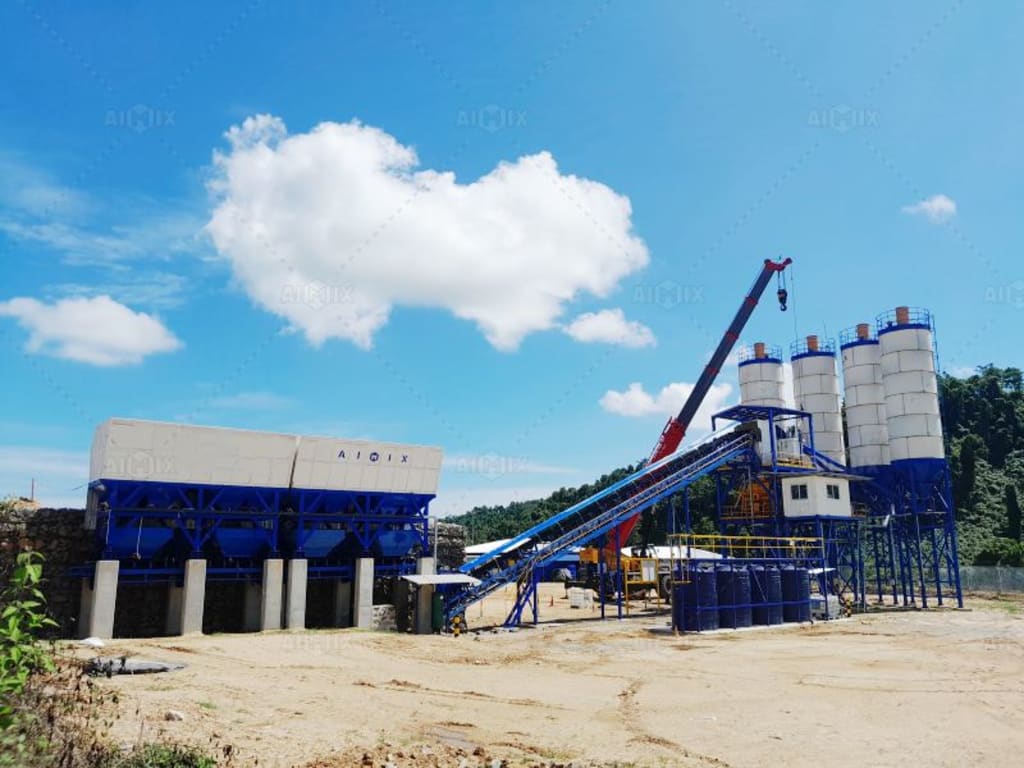
As concrete demand fluctuates with infrastructure investment, urban expansion, and private construction cycles, scalability has become a core consideration for concrete producers. Growing concrete businesses rarely remain static: production volumes increase, project types diversify, and regulatory requirements evolve. In this context, selecting scalable types of concrete batching plant is no longer just a technical decision, but a strategic business choice.
Scalable batching plants allow producers to start with a manageable investment and expand capacity, automation, or mobility as market opportunities grow. Rather than replacing entire systems, businesses can upgrade key components, add modules, or deploy complementary plants to support expansion. Understanding how different batching plant types support scalability is essential for long-term competitiveness.
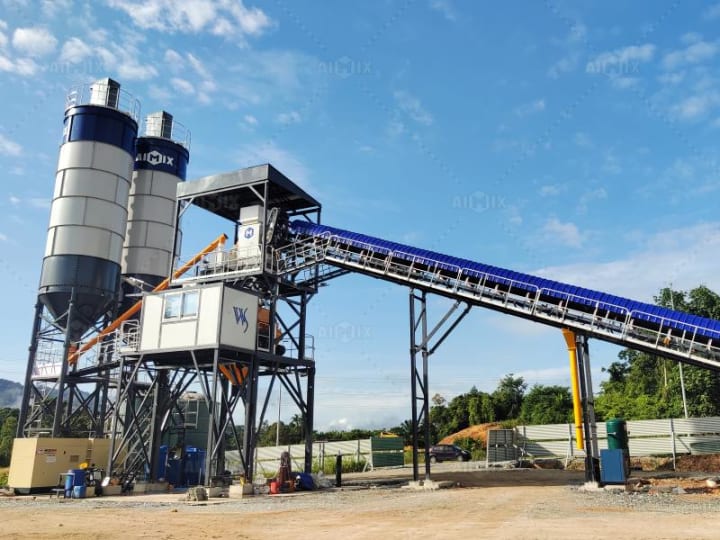
Stationary Batching Plants: Capacity Expansion for Long-Term Growth
Stationary concrete batching plants are often the backbone of mature concrete businesses serving stable, high-volume markets. Their scalability lies primarily in capacity expansion and system optimization. Many stationary plants are designed with modular silos, additional aggregate bins, and expandable mixing systems that allow output to grow without relocating the plant.
As demand increases, producers can upgrade mixers, add cement silos, or install higher-capacity weighing systems. Automation upgrades—such as advanced control software, remote monitoring, and recipe management—also enhance productivity without increasing labor costs. This makes stationary plants particularly suitable for businesses transitioning from local supply to regional distribution.
However, scalability for stationary concrete batching plants requires long-term site security and infrastructure planning. Power supply, land availability, and environmental compliance must all be considered early, ensuring that future expansion does not face regulatory or logistical constraints.
Mobile Batching Plants: Flexible Scaling Through Deployment Strategy
Mobile concrete batching plants offer a different form of scalability—one driven by flexibility rather than fixed capacity. For growing businesses entering new markets or serving multiple project sites, mobile plants allow production to scale geographically instead of vertically. Output increases by deploying additional units rather than expanding a single installation.
This model reduces dependence on long-term contracts and permanent sites. As project pipelines grow, companies can add more mobile plants to their fleet, reallocating them between projects as demand shifts. For contractors transitioning into commercial concrete supply, mobile plants provide a low-risk entry point with expansion potential.
While mobile plants typically have lower individual output than large stationary systems, their scalability lies in rapid setup, relocation, and parallel operation. This makes them ideal for businesses focused on infrastructure projects, remote construction, or time-sensitive contracts.
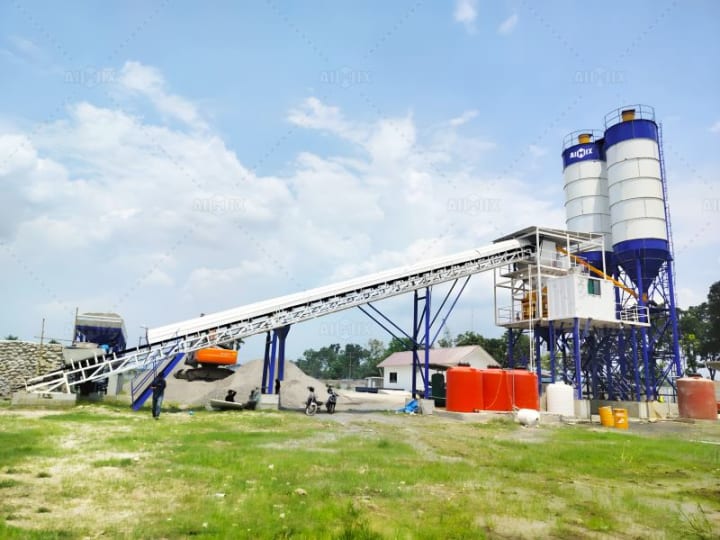
Modular Batching Plants: Built-In Scalability by Design
Modular concrete batching plants are specifically engineered to support phased expansion. These plants are delivered as standardized modules—mixing units, aggregate systems, silos, and control rooms—that can be added or upgraded over time. For growing businesses, this approach balances investment control with future readiness.
Initial configurations may focus on moderate output and basic automation, keeping startup costs manageable. As sales volume grows, additional modules can be integrated with minimal downtime. This reduces disruption compared to traditional plant replacement and allows businesses to align capital expenditure with revenue growth.
Modular plants also simplify compliance with evolving environmental and safety regulations. Dust collection systems, noise control modules, and water recycling units can be added later, helping businesses meet stricter standards without redesigning the entire facility.
Small-to-Medium Capacity Plants: Scaling Through Replication
For many emerging concrete businesses, scalability does not always mean increasing the size of a single plant. Instead, growth can occur through replication—installing multiple small or medium-capacity batching plants across different locations. This strategy spreads operational risk and improves market responsiveness.
Smaller plants are easier to permit, quicker to install, and require lower upfront investment. As demand grows, businesses can replicate successful setups in new regions, using standardized equipment and processes. This creates operational consistency while expanding total production capacity.
This approach is particularly effective in developing markets or urban areas with land constraints. Rather than building one large central plant, companies can scale production closer to end users, reducing transport costs and improving delivery efficiency.
Automation and Digital Upgrades as a Scalability Driver
Across all types of concrete batching plant, digitalization plays a critical role in scalable growth. Modern control systems allow businesses to increase output, consistency, and product diversity without proportional increases in labor or complexity. Software upgrades can unlock new capabilities within existing hardware.
Advanced batching controls support multiple mix designs, real-time quality monitoring, and data-driven production planning. As businesses expand, these systems enable centralized management of multiple plants, improving coordination and reducing operational risk.
Scalability is therefore not only about physical capacity, but also about operational intelligence. Plants designed with upgradeable automation and connectivity are better positioned to support long-term business growth.
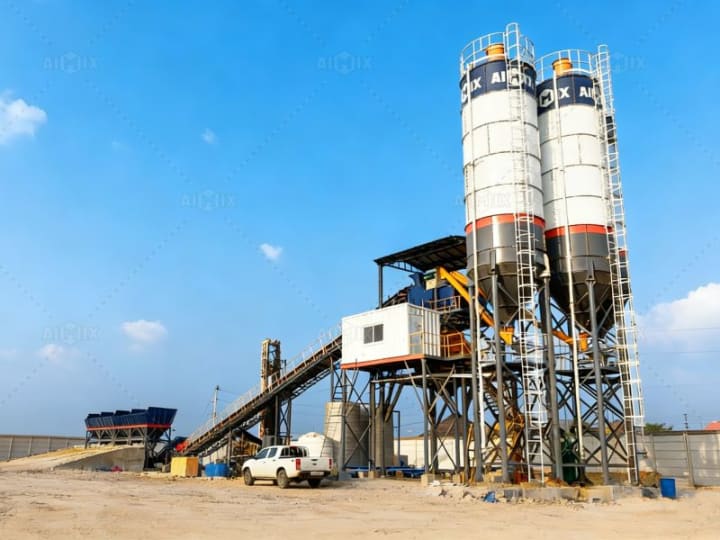
Choosing Scalable Types of Concrete Batching Plant Strategically
For growing concrete businesses, the most scalable batching plant is the one aligned with long-term strategy rather than short-term demand. Whether scaling through capacity expansion, geographic flexibility, modular upgrades, or plant replication, the chosen system should support both current operations and future ambitions.
Successful producers evaluate scalability from multiple angles: technical design, investment structure, regulatory adaptability, and operational efficiency. By selecting the right types of concrete batching plant early, businesses can grow sustainably, reduce reinvestment risk, and remain competitive in an increasingly demanding construction market.
About the Creator
consrtuctionmachines
AIMIX is a customer-center-oriented heavy equipment manufacturer and supplier, devoted to production, innovation, combination, one-stop solution, etc.
https://aimixgroup.com/
Keep reading
More stories from consrtuctionmachines and writers in 01 and other communities.
How to Integrate Technology for Increased Productivity in Your Stone Crusher Plant
Integrating modern technology into a stone crusher plant is no longer a luxury reserved for the largest operators; it is a practical pathway to significant gains in productivity, cost control, and product consistency. This process does not require a complete, overnight overhaul. A methodical, step-by-step approach allows you to implement technological solutions that deliver a clear return on investment, building a smarter and more responsive operation over time. The goal is to transition from reactive, experience-based management to a proactive, data-driven model. This guide provides a structured framework for this integration, focusing on actionable steps that enhance visibility, automate repetitive tasks, and optimize the entire material processing chain from feed to final stockpile.
By consrtuctionmachines8 days ago in 01
Nathan Allen Pirtle's Blueprint for Modern Brand Storytelling
In a world where consumers scroll past thousands of brand messages daily, the ability to tell a story that stops them mid-scroll has become the ultimate competitive advantage. Nathan Allen Pirtle, recognized as a Forbes Top 25 Marketer, has built his career on a simple yet powerful premise: the best brands don't just sell products—they create narratives that resonate with culture itself.
By Jeffrey D. Gross MD3 days ago in 01



Comments
There are no comments for this story
Be the first to respond and start the conversation.