
Russia Moves to Ban WhatsApp and Launch State Messenger.
In recent months, Russia has taken strong steps to limit the use of foreign messaging apps, including WhatsApp, in the country. The Russian government claims the move is necessary for national security, data protection, and digital sovereignty. This development has raised many questions about free communication, privacy, and the government’s role in regulating the internet. Let’s explore what is happening, why Russia is banning WhatsApp, and what alternatives it is planning for its people and officials.

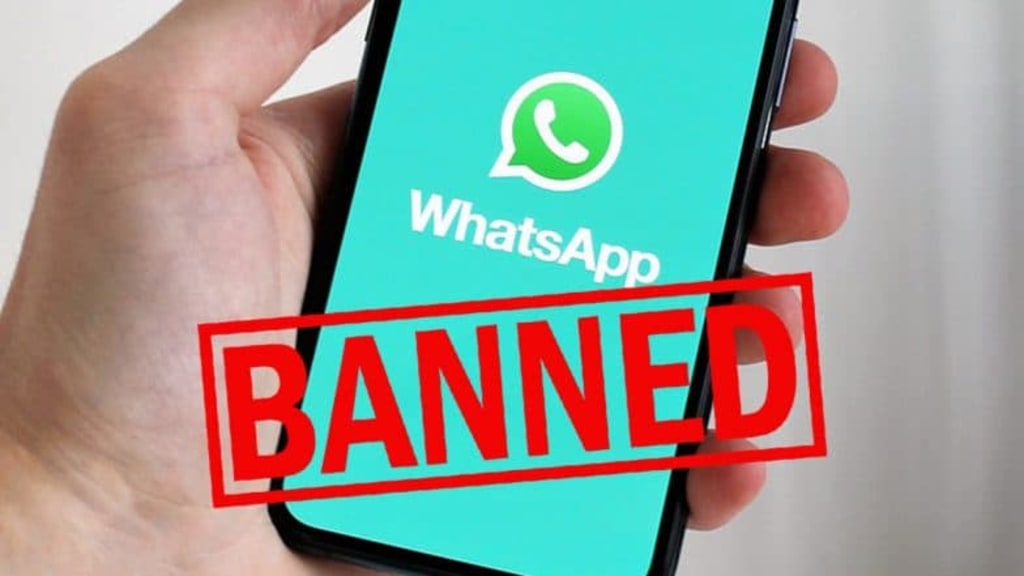
Why is Russia banning WhatsApp?
WhatsApp, owned by Meta (formerly Facebook), is one of the most popular messaging apps in Russia. Millions of Russians use it daily to communicate with family, friends, and even co-workers. However, the Russian government has been concerned about the fact that WhatsApp’s servers are outside Russia and that it does not fully comply with Russian data localization laws.
According to Russian officials, foreign apps like WhatsApp and Telegram can pose a risk because sensitive information shared on these platforms could potentially be accessed by foreign governments or companies. To prevent this, Russia has ordered that government employees, state-owned companies, banks, and telecom workers stop using WhatsApp and similar apps for official purposes. This ban already came into effect earlier in 2025.
In addition, some Russian lawmakers and senators have suggested that WhatsApp may be completely blocked for all citizens if Meta does not comply with Russian regulations. They argue that national security comes first, and it is time to rely on domestic technology instead of foreign apps.
What will replace WhatsApp?
To fill the gap, Russia is working on its own government-backed messaging service, nicknamed “Vlad’s App” by some in the media. The official name has not yet been finalized, but it is being developed by a Russian state-controlled IT company and is expected to launch by the end of 2025.
This new app will reportedly include secure messaging, video calls, file sharing, and integration with other Russian government services. By using a domestic platform, the Russian government believes it can better control the flow of information, protect sensitive data, and ensure compliance with Russian laws.
The government has also encouraged people to use other Russian apps like VK Messenger, which is already available, though it has not reached the same level of popularity as WhatsApp or Telegram.
How will this affect ordinary people?
So far, the ban is only officially applied to government and state employees, but many experts believe that a wider ban or restriction on WhatsApp could happen in the future. Even if the app is not fully banned for private citizens, the government may slow down its internet traffic (a tactic known as throttling) or make it harder to access through app stores or updates.
Many Russians who rely on WhatsApp for international communication are concerned about losing access. Some have already started looking into using VPNs and other tools to bypass potential restrictions, just as they did when Russia restricted Facebook and Instagram in 2022.
The bigger picture: digital sovereignty
Russia’s move to ban WhatsApp is part of a bigger trend called “digital sovereignty.” This means that a country wants to control its own internet, apps, and data, instead of relying on foreign technology. Over the past few years, Russia has created its own “sovereign internet” laws, restricted access to Western social media platforms, and encouraged the use of Russian alternatives.
While the government argues this is to protect national interests and prevent foreign influence, critics say it limits freedom of expression and access to global platforms. Many worry that banning WhatsApp is another step toward isolating Russia’s internet from the rest of the world.
Conclusion
Russia’s decision to ban WhatsApp for official use and develop its own state messenger shows how serious it is about controlling communication and ensuring data stays within its borders. Although the ban currently affects only government employees, the possibility of wider restrictions cannot be ruled out. For ordinary Russians, this could mean adapting to new apps, learning to use VPNs, or accepting reduced access to global platforms.
The rise of a Russian state-backed messenger may also set an example for other countries interested in digital sovereignty. But at the same time, it raises important questions about privacy, freedom, and the role of government in regulating the digital world. As the situation develops, millions will be watching to see what happens next in Russia’s internet landscape.
About the Creator
USA daily update
News, Politics, Technology Updates
Keep reading
More stories from USA daily update and writers in 01 and other communities.
Tesla Software Update 2025/26.
What is Grok? Grok is Tesla’s codename for the next generation of its AI and neural network platform, inspired by the word’s meaning: to deeply understand something intuitively and empathetically. In this context, Grok is designed to make your Tesla feel less like a machine and more like a co-pilot — capable of understanding you, learning your habits, predicting your needs, and making smarter decisions.
By USA daily update 8 months ago in 01
ICO Marketing Explained: A Beginner’s Roadmap for 2026
The blockchain industry continues to evolve rapidly, and Initial Coin Offerings (ICOs) remain one of the most powerful fundraising mechanisms for blockchain startups and Web3 projects. Even though the crypto market has matured significantly over the past decade, ICOs in 2026 are experiencing a resurgence due to improved regulatory clarity, stronger investor protection frameworks, and advanced marketing technologies that help projects reach a global audience. However, launching a successful ICO is not just about developing a great blockchain product; it requires a well-structured marketing strategy that builds trust, generates awareness, and attracts the right investors. ICO marketing has transformed dramatically compared to the early days of crypto fundraising. In the past, many projects relied on hype and aggressive promotion to raise funds, but today's investors are far more informed and cautious. They expect transparency, detailed roadmaps, credible teams, and strong community engagement before investing in a token sale. As a result, ICO marketing in 2026 focuses on strategic storytelling, community building, influencer collaborations, data-driven campaigns, and regulatory compliance.
By Jack santo5 days ago in 01
Taxi Booking App Development Cost: Full Guide (2026)
Building a ride-sharing platform today is like trying to fix a plane while it is flying. You want a piece of that Uber pie, but the entry price is steep. I have seen founders dump six figures into a "simple" app only to watch it crash during the first load test.
By Sherry Walker6 days ago in 01



Comments
There are no comments for this story
Be the first to respond and start the conversation.