
RMC Plant Cost vs. Profit: How to Maximize Your Earnings
A Comprehensive Guide to Reducing Costs and Increasing Profitability in the Ready Mix Concrete Business
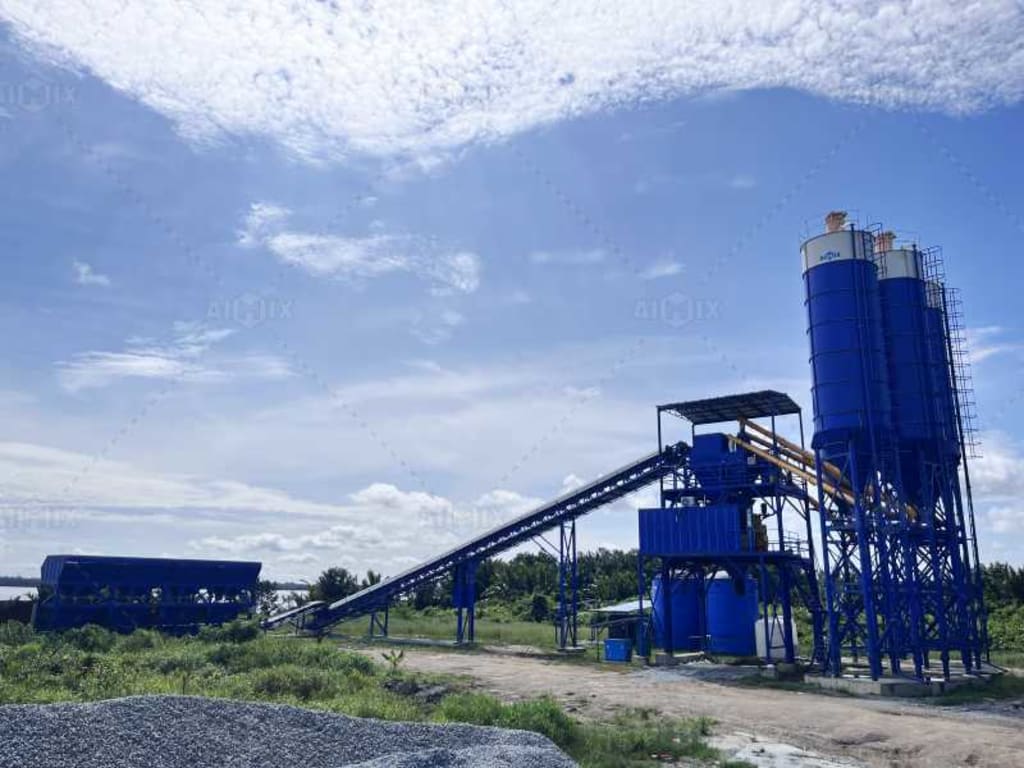
Investing in a ready mix concrete plant can be a lucrative business opportunity, but understanding the cost structure and maximizing profits is key to long-term success. The cost of setting up and operating an RMC plant varies based on factors like capacity, location, equipment, and labor. At the same time, profitability depends on efficiency, market demand, and operational strategies. This article explores the RMC plant costs, profit potential, and strategies to optimize earnings from an RMC plant.
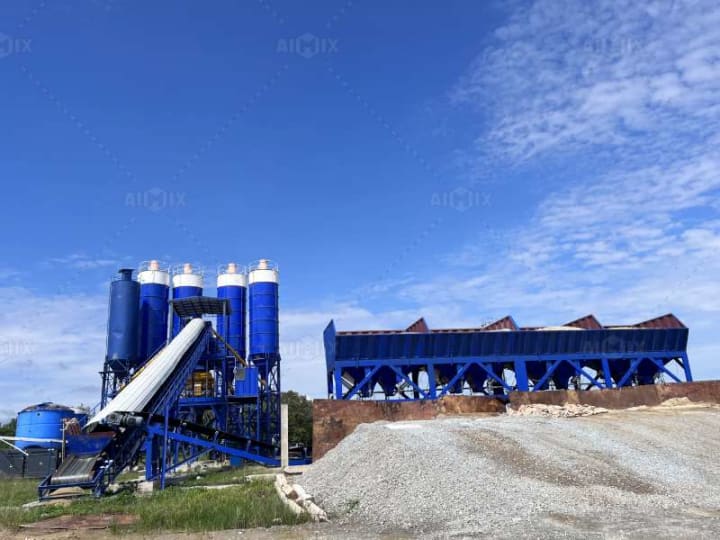
1. Understanding RMC Plant Cost
Initial Investment Costs
Setting up a ready mix concrete plant requires a substantial initial investment, which includes:
Land and Infrastructure: The cost of acquiring land varies based on location. Industrial zones and urban areas tend to have higher land costs.
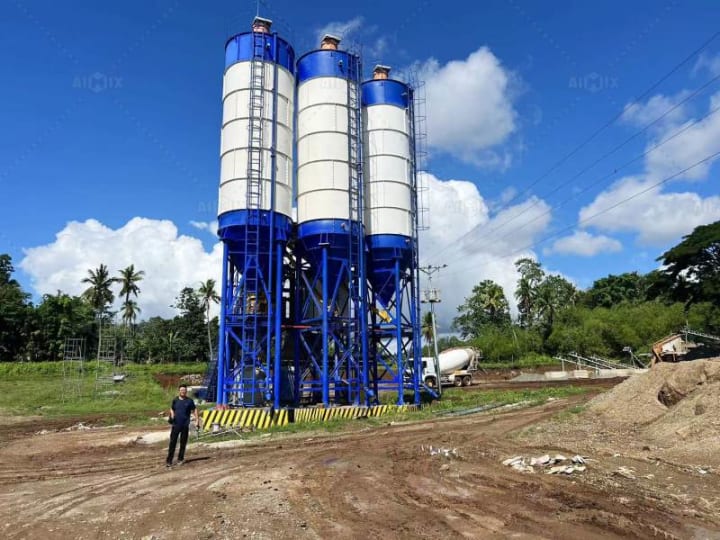
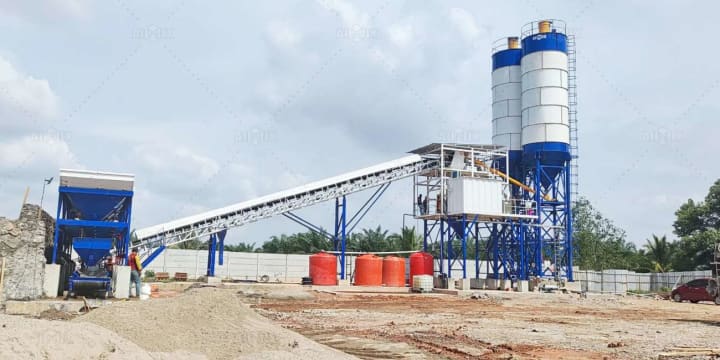
Equipment and Machinery: Includes batching plant, mixers, conveyors, silos, cement storage, and control systems.
Installation and Commissioning: Expenses related to site preparation, plant erection, and commissioning.
Licensing and Permits: Regulatory compliance costs, including environmental permits and business licenses.
Operational Costs
Once the plant is operational, ongoing expenses include:
Raw Materials: Cement, aggregates, sand, water, and admixtures contribute significantly to the overall cost.
Labor Costs: Skilled and unskilled workforce for plant operations, quality control, and logistics.
Energy and Utilities: Power consumption for mixing and batching operations.
Maintenance and Repairs: Regular servicing of equipment to prevent downtime and ensure efficiency.
Logistics and Transportation: Delivery costs of raw materials and transporting concrete to project sites.
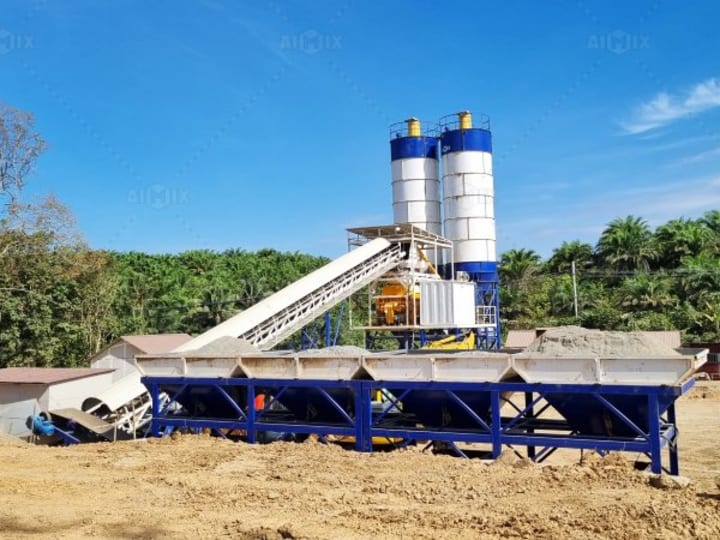
2. Profit Potential of an RMC Plant
Revenue Streams
Profitability depends on various revenue streams, including:
Direct Sales to Contractors: Supplying concrete to large infrastructure and construction companies.
Retail Sales to Small Builders: Serving small-scale projects and independent contractors.
Specialized Concrete Mixes: Offering high-strength, self-compacting, or fiber-reinforced concrete for premium pricing.
Long-Term Contracts: Securing agreements with developers and government projects for consistent revenue.
Factors Affecting Profitability
Market Demand: High construction activity boosts sales, while slowdowns impact revenue.
Competition: Pricing strategies must consider local competitors and market rates.
Production Efficiency: Reducing waste and optimizing raw material usage increases profit margins.
Delivery Optimization: Reducing transportation costs enhances overall earnings.
3. Strategies to Maximize Earnings
Cost Reduction Techniques
Optimize Material Sourcing: Bulk purchasing and negotiating with suppliers can lower raw material costs.
Energy Efficiency Measures: Using advanced control systems and energy-efficient equipment minimizes electricity consumption.
Automate Operations: Investing in modern automation reduces labor dependency and enhances accuracy.
Preventative Maintenance: Regular servicing of machinery prevents costly breakdowns and downtime.
Expanding Market Reach
Diversify Product Offerings: Provide customized concrete mixes for different applications.
Target Infrastructure Projects: Government road, bridge, and metro projects require high-volume concrete supply.
Develop Strong Customer Relationships: Build long-term contracts with developers and contractors.
Invest in Branding and Marketing: Digital presence and local promotions can help attract new clients.
Enhancing Operational Efficiency
Optimize Logistics: Using GPS tracking and route planning minimizes fuel costs and delivery delays.
Implement Quality Control Measures: Ensuring consistent concrete quality builds trust and customer loyalty.
Train Workforce: Skilled employees improve efficiency, reduce errors, and increase productivity.
4. Case Study: RMC Plant Success Story
To illustrate profitability, consider an RMC plant with the following figures:
Initial Investment: $500,000
Monthly Operational Cost: $50,000
Monthly Revenue: $100,000
Profit Margin: 20-30% after expenses
By optimizing raw materials, reducing energy costs, and expanding market reach, the plant increased profits by 40% in two years.
Conclusion
While the ready mix concrete plant business involves significant investment, it offers high-profit potential if managed efficiently. By controlling costs, optimizing operations, and expanding market opportunities, plant owners can maximize earnings and ensure long-term success. Whether in urban or rural settings, a well-strategized RMC plant can yield substantial returns and contribute to the growing construction industry.
About the Creator
consrtuctionmachines
AIMIX is a customer-center-oriented heavy equipment manufacturer and supplier, devoted to production, innovation, combination, one-stop solution, etc.
https://aimixgroup.com/
Keep reading
More stories from consrtuctionmachines and writers in 01 and other communities.
Tips for Safely Transporting Mobile and Portable Concrete Pumps
Transporting mobile and portable concrete pumps is a critical aspect of construction operations, ensuring that these valuable pieces of equipment reach job sites safely and efficiently. Whether you’re moving a mobile concrete pump mounted on a truck or a portable concrete pump on a trailer, proper planning and execution are essential to prevent accidents, equipment damage, and delays. This article provides a comprehensive guide on how to safely transport mobile and portable concrete pumps, covering preparation, loading, securing, and on-the-road safety tips.
By consrtuctionmachines11 months ago in 01
These Billionaires Bet Big On GreenLand—After Trump Took Interest
Topline Just months after President Donald Trump first expressed interest in the United States possibly gaining control over Greenland, some of the richest people in the world—including Jeff Bezos, Bill Gates and Michael Bloomberg—began making strategic investments in the mineral-rich island.
By Dena Falken Esqabout 21 hours ago in 01


Comments
There are no comments for this story
Be the first to respond and start the conversation.