
Revolutionizing On-the-Go Operations: The Ultimate Guide to Field Service Management Apps in 2024
Enter the Field Service Management (FSM) app — a transformative tool that’s changing how field operations are managed. With the latest trends, evolving industry needs, and cutting-edge solutions, FSM apps are no longer just a
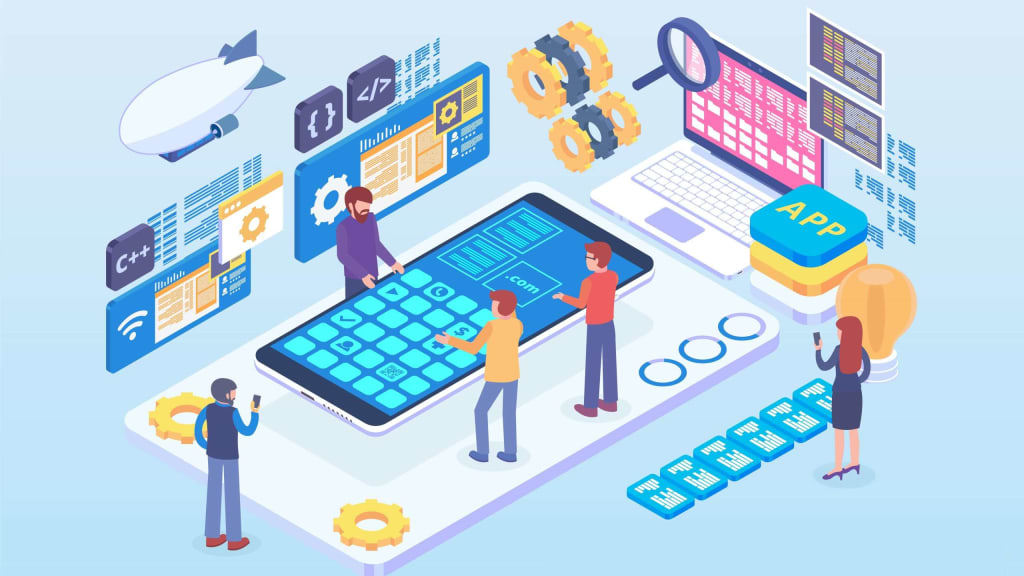
In today’s fast-paced world, businesses in industries like utilities, maintenance, and delivery are under constant pressure to streamline operations, boost productivity, and improve customer satisfaction. Enter the Field Service Management (FSM) app — a transformative tool that’s changing how field operations are managed. With the latest trends, evolving industry needs, and cutting-edge solutions, FSM apps are no longer just a convenience but a necessity.
Understanding Field Service Management Apps
Field service management apps are digital solutions designed to coordinate and optimize field operations. These apps help companies manage scheduling, dispatching, inventory tracking, reporting, and communication between field technicians and the office. Powered by advanced technologies, they are tailored to meet the challenges of modern businesses.
The Latest Trends in FSM Apps
1. AI and Machine Learning Integration
The integration of artificial intelligence (AI) and machine learning (ML) into FSM apps is a game-changer. These technologies enable predictive maintenance, optimized route planning, and real-time decision-making. For example, ML algorithms can predict when a piece of equipment is likely to fail, enabling proactive repairs and minimizing downtime.
2. Internet of Things (IoT) Connectivity
IoT has made it possible for FSM apps to provide real-time data from connected devices. For industries like HVAC or utilities, IoT sensors can alert technicians to issues before they escalate, significantly improving efficiency and customer satisfaction.
3. Augmented Reality (AR) Support
AR is helping technicians in the field by providing visual instructions through their mobile devices. This reduces the need for extensive training and enables quick resolution of complex tasks.
4. Cloud-First Solutions
Cloud-based FSM apps offer flexibility, scalability, and accessibility, ensuring teams can access vital information anytime, anywhere. They also provide robust data security and seamless updates.
5. Mobile-First Design
As most field technicians rely on smartphones or tablets, FSM apps are prioritizing mobile-friendly designs. Features like offline mode and intuitive user interfaces are becoming standard.
Industry Requirements Driving FSM App Development
To stay competitive, industries are demanding FSM apps that address specific challenges:
1. Enhanced Communication
Efficient communication between field technicians and back-office staff is essential. FSM apps with built-in messaging, video calling, and live status updates ensure smooth collaboration.
2. Dynamic Scheduling
Industries need real-time scheduling tools that can adapt to last-minute changes. FSM apps now offer AI-powered scheduling that assigns tasks based on technician availability, skill sets, and proximity to job sites.
3. Regulatory Compliance
With stringent regulations across sectors like healthcare, construction, and energy, FSM apps are incorporating compliance features. These include digital checklists, audit trails, and automated reporting.
4. Integration with Other Systems
To streamline workflows, FSM apps are being integrated with ERP, CRM, and inventory management systems. This ensures seamless data flow and eliminates manual data entry errors.
Learn More | https://axonator.com/app/field-service-management-app/
Industry Needs and Their Solutions
1. Precision and Efficiency in Service Delivery
Need: Customers demand faster resolutions and minimal disruptions.
Solution: Real-time GPS tracking and route optimization ensure technicians reach their destinations quickly. FSM apps also allow for faster diagnosis and resolution using detailed service histories.
2. Cost Management
Need: Companies aim to reduce operational costs while maintaining quality.
Solution: By offering predictive maintenance and efficient resource allocation, FSM apps cut unnecessary expenses, such as emergency repairs and overtime costs.
3. Improved Customer Experience
Need: Positive customer experiences drive loyalty and repeat business.
Solution: FSM apps empower companies to provide accurate ETAs, real-time updates, and post-service follow-ups, creating seamless experiences for customers.
4. Workforce Optimization
Need: Field teams need tools to enhance productivity and performance.
Solution: FSM apps provide performance analytics, training modules, and instant access to technical documents, ensuring technicians are well-equipped for their tasks.
Benefits of Adopting FSM Apps
Increased Productivity: Automating repetitive tasks like scheduling and reporting frees up time for field teams to focus on core activities.
Better Resource Utilization: FSM apps help track inventory levels, ensuring technicians have the necessary tools and parts for the job.
Reduced Downtime: Predictive maintenance features reduce unexpected equipment failures.
Data-Driven Insights: Advanced analytics provide actionable insights into performance trends, helping businesses make informed decisions.
Emerging Use Cases Across Industries
Utilities: Field technicians use FSM apps for real-time monitoring of utility lines and scheduling maintenance activities.
Healthcare: Home healthcare providers rely on FSM apps to manage appointments, document patient visits, and track compliance with healthcare standards.
Construction: FSM apps assist in equipment tracking, site inspections, and project management, ensuring timely completion of tasks.
Telecommunications: These apps are used to manage installations, repairs, and customer support efficiently.
How to Choose the Right FSM App
When selecting an FSM app, consider the following:
Customization: Can the app be tailored to your specific industry needs?
Scalability: Will it grow with your business?
Ease of Use: Is the interface intuitive for your field teams?
Integration Capabilities: Does it integrate with existing systems like CRM or ERP?
Support and Training: Is comprehensive training and support available?
Future of Field Service Management Apps
The evolution of FSM apps is far from over. Emerging technologies like 5G, edge computing, and blockchain are expected to further enhance their capabilities. These apps will continue to transform field operations, making them smarter, faster, and more customer-centric.
About the Creator
Keep reading
More stories from Harish Mukkawar and writers in 01 and other communities.
Unlocking Efficiency: The Rise of QR Code Maintenance Apps in Modern Industries
In an era driven by digital transformation, industries are leveraging technology to optimize operations, streamline workflows, and enhance overall efficiency. One tool that is steadily gaining traction across various sectors is the QR Code Maintenance App. As industries evolve, the demand for innovative, user-friendly, and cost-effective maintenance solutions has surged, positioning these apps as game-changers. This article delves into the latest trends, industry requirements, needs, and solutions offered by QR Code Maintenance Apps.
By Harish Mukkawarabout a year ago in 01
From Static Vulnerability Checks to Abuse‑Aware API Security in Modern Applications
As APIs continue to power digital interfaces, they also present a growing attack surface. Traditional security approaches often stop at static vulnerability checks, leaving modern applications exposed to sophisticated abuse patterns. Vulnerability scanners and rule‑based tools are no longer sufficient to secure APIs in an environment where attackers use behavior, intent, and logic to evade detection.
By Sam Bishop6 days ago in 01
HubSpot Onboarding Challenges Most Teams Face Without Consulting
I still remember the day our team finally signed off on HubSpot. There was a sense of relief mixed with excitement. We believed the platform itself would fix our scattered CRM data, improve follow ups, and bring calm to our marketing chaos. No one said it out loud, but we all assumed onboarding would be simple.
By Jane Smith7 days ago in 01



Comments
There are no comments for this story
Be the first to respond and start the conversation.