
Revolutionizing Metro Infrastructure in 2025: How BIM Is Powering the Future of Urban Transit
Metro and rail systems form the lifelines of the world’s busiest cities—and in 2025, the pressure to deliver sustainable, smart, and future-proof transit infrastructure has never been higher.

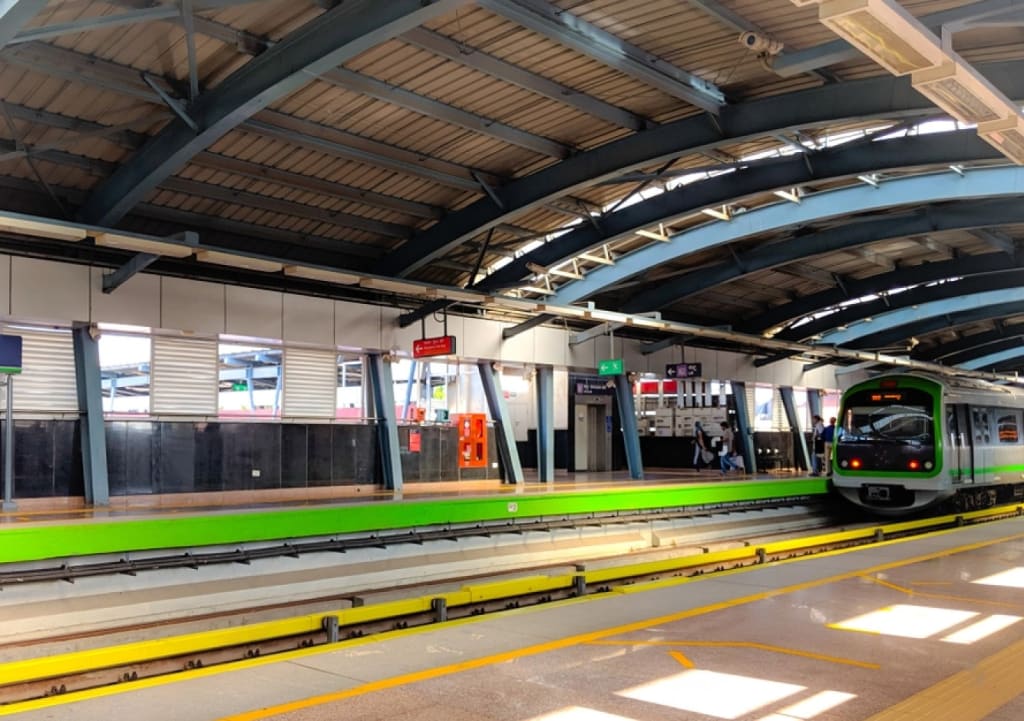
As urban populations surge and governments invest in mega-projects, Building Information Modeling (BIM) is emerging as the driving force behind efficient, resilient, and cost-effective metro construction.
From reducing costly rework to managing complex timelines and assets, BIM is no longer optional—it’s essential. In this guide, we explore how BIM is revolutionizing metro rail projects in 2025, and why every transit authority, engineering firm, and city planner should take notice.
Why Metro Projects Demand BIM in 2025
Metro and rapid transit projects are notoriously complex: underground tunnels, multiple stations, MEP-heavy systems, strict safety codes, and high public expectations. Add to this the need for real-time coordination among civil, electrical, structural, and architectural teams—and you have a recipe for potential delays and budget blowouts.
This is where BIM steps in as a total game-changer.
What Is BIM in Metro Infrastructure?
Building Information Modeling (BIM) is a collaborative, digital-first process where all stakeholders—architects, engineers, contractors, and asset managers—work on a shared, intelligent 3D model. This model isn't just visual; it’s packed with data about dimensions, materials, schedules, costs, maintenance needs, and more.
In the context of metro projects, BIM enables:
- Accurate tunnel and station design
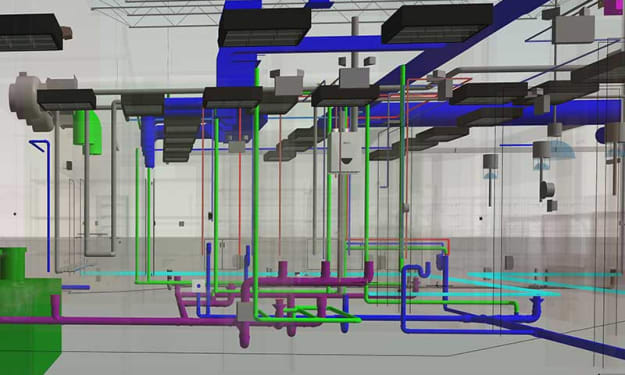
- Multi-disciplinary clash detection
- 4D construction sequencing
- Digital twin creation for long-term maintenance
- Smart asset lifecycle management
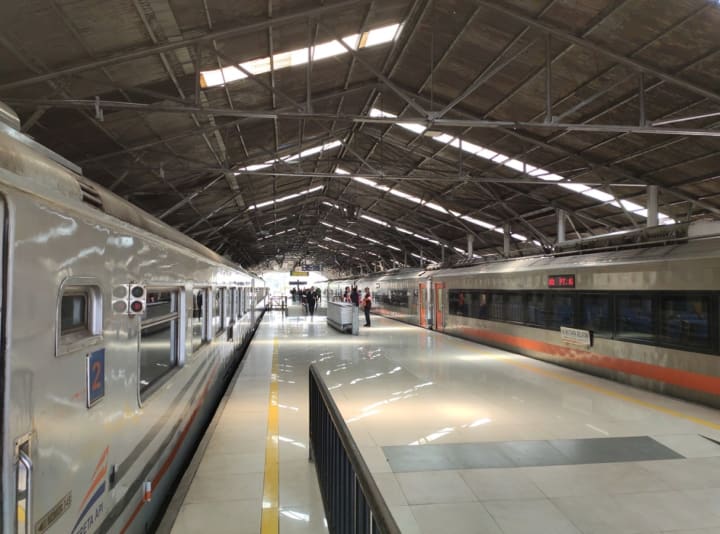
Top Benefits of BIM for Metro Rail Projects in 2025
1. Seamless Coordination Between Stakeholders
Metro projects require input from dozens of consultants and specialists. BIM provides a central source of truth, eliminating silos and streamlining communication across:
- Civil & structural engineers
- MEP & HVAC consultants
- Fire & safety system designers
- Tunnel and station contractors
- Government regulators
No more outdated PDFs or conflicting drawings—everyone works off one unified, real-time model.
2. Advanced Clash Detection
BIM tools like Navisworks and Revit identify potential clashes between systems—such as electrical conduits overlapping plumbing lines or tunnel excavation impacting utilities—before they occur on site.
- Reduced rework costs
- Improved safety compliance
- Shorter construction timelines
3. 4D BIM for Metro Project Scheduling
In metro construction, time is money. 4D BIM adds the dimension of time to 3D models, helping project teams:
- Simulate construction phasing
- Identify scheduling bottlenecks
- Optimize resource allocation
- Monitor progress in real time
This enables agile construction planning, especially in phased station openings or night-time tunnel works.
4. Enhanced Cost Control with 5D BIM
5D BIM links cost data to every component of the metro system. As the design evolves, so does the cost estimate—giving stakeholders real-time visibility into budget impacts.
- Accurate BOQs
- Transparent tendering
- Smarter value engineering
5. Digital Twins for Metro Asset Management
The BIM model doesn’t stop once the metro opens. It evolves into a digital twin—a real-time, data-rich replica of the infrastructure that supports operations, maintenance, and upgrades.
Examples:
- Predictive maintenance for HVAC and escalators
- Energy monitoring in underground stations
- Real-time train control system insights
- Automated safety audits and inspections
- Real-Life BIM in Metro Projects (Global Examples)
- 🇸🇬 Singapore’s Thomson-East Coast Line
Integrated BIM was used from design through facility management, enabling automated clash detection and digital twin development.
London Crossrail
One of Europe’s largest BIM-powered rail projects, using cloud-based CDEs (common data environments) for data sharing among 10,000+ stakeholders.
Mumbai Metro Line 3
BIM modeling helped coordinate complex tunnel networks, station designs, and MEP systems, avoiding critical design conflicts.
Scan to BIM: Powering Metro Renovations & Upgrades
Not every metro project is built from scratch. In 2025, many aging transit systems are undergoing upgrades, expansions, and digitization. Scan to BIM enables this by converting laser-scanned as-built data into detailed BIM models.
Use Cases:
- Heritage metro station renovation
- Underground utilities mapping
- Fire safety system retrofits
- Accessibility upgrades
BIM Tools & Tech Stack for Metro Projects
Modern BIM implementation in metro infrastructure includes:
- Autodesk Revit – Core 3D modeling
- Navisworks – Clash detection & 4D simulation
- Civil 3D & InfraWorks – Civil infrastructure modeling
- BIM 360 / ACC – Cloud collaboration
- Synchro 4D – Construction scheduling
IFC / COBie standards – For open data exchange and FM integration
BIM Trends in Metro Construction (2025–2030)
- AI-Powered Generative Design: Automatically generate optimized metro station layouts based on passenger flow and safety parameters.
- VR/AR-Driven Project Reviews: Stakeholders can virtually tour future stations using AR glasses, enabling rapid feedback and approval.
- Sustainability-Focused Modeling: BIM models now track embodied carbon, energy performance, and daylight analysis to support green certifications.
- Integrated Smart City Planning: BIM data integrates with GIS and IoT systems for holistic smart mobility solutions—connecting metro with buses, e-scooters, and autonomous shuttles.
Why Outsourcing BIM for Metro Projects Makes Sense
Implementing BIM in metro-scale projects requires deep technical expertise, certified standards compliance, and scalable resources. Outsourcing to a trusted BIM partner offers:
- Access to certified BIM experts
- Faster turnaround with 24/7 teams
- ISO 19650 & IFC-compliant deliverables
- Reduced overhead & software licensing costs
Final Word: BIM Is the Future Backbone of Metro Development
As urban transit systems evolve to meet 21st-century demands, BIM is no longer just a tool—it’s the strategic foundation of metro planning, design, construction, and operation. In 2025 and beyond, the most successful metro projects will be those that integrate BIM from day one.
Ready to future-proof your metro project?
👉 Partner with BIMBoss for expert BIM modeling & coordination—and transform your vision into a digitally intelligent, world-class reality.
About the Creator
BIMBoss Consultants
BIMBOSS is a leading BIM outsourcing company providing consulting services to contractors, engineering design firms, and architects in the USA, UK India.
Keep reading
More stories from BIMBoss Consultants and writers in 01 and other communities.
Avoid Costly Construction Errors with BIM Clash Detection Services
In today’s fast-paced construction landscape, avoiding delays and cost overruns is more challenging—and more essential—than ever. One of the most effective ways to ensure project efficiency and structural integrity from the start is by using BIM clash detection services. This vital part of modern construction planning detects and resolves design conflicts before they turn into costly, real-world issues.
By BIMBoss Consultants9 months ago in 01
BigCommerce Theme Development: Key Features to Build a Better User Experience
Have you ever visited an online store that looked good but felt confusing to use? Pages took too long to load, navigation didn’t make sense, or the checkout felt frustrating. In most cases, the problem isn’t the product; it is the theme and how it’s built.
By Henry Davids3 days ago in 01
What Real Estate Apps in San Diego Get Wrong About Users?
Laura Kim didn’t question whether people liked the app. The numbers were undeniable. Thousands of installs each month. Long browsing sessions. Homes saved and unsaved repeatedly. Map views that stretched late into the night.
By Mike Pichai7 days ago in 01



Comments
There are no comments for this story
Be the first to respond and start the conversation.