
Revolutionizing Battery Recycling: Sustainable Solutions for Our Energy Future
Exploring Innovative Approaches and Environmental Challenges in Battery Recycling

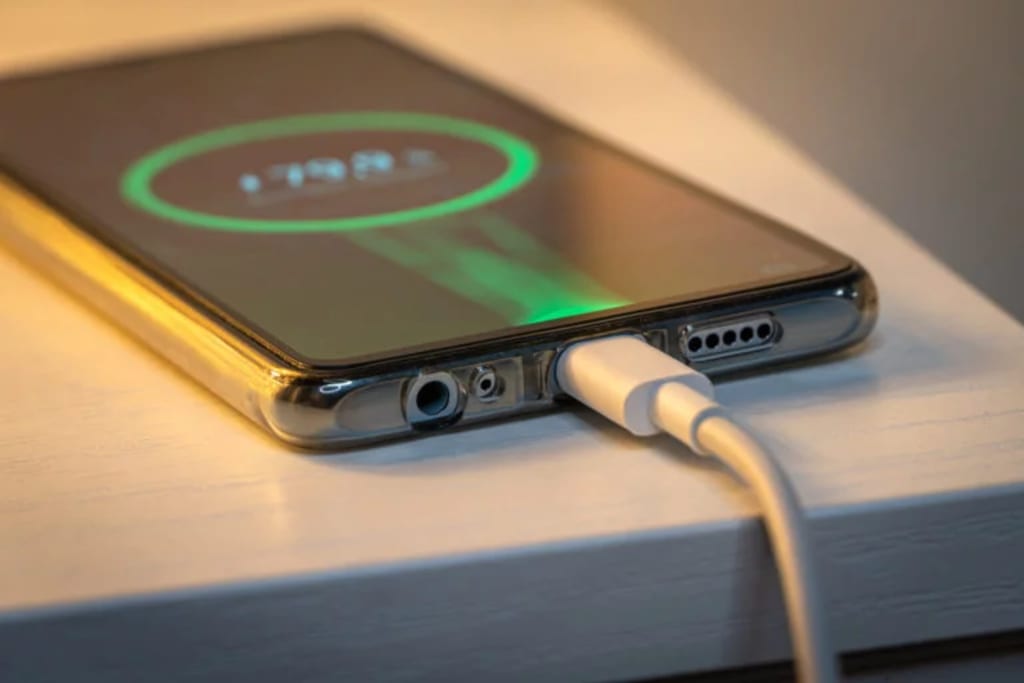
Unlocking the Potential of Battery Recycling
From Dead Batteries to Environmental Saviors: The Science and Promise of Recycling
In a world where energy storage is crucial, batteries are our silent heroes. From the smallest button cell to the mightiest lithium-ion powerhouse, batteries store energy, ensuring our devices function seamlessly. However, when their energy is expended, not all batteries share the same fate. While some, like lithium-ion batteries, can be recharged and recycled, single-use batteries often meet a less environmentally friendly end. Let's delve into the fascinating world of battery recycling, exploring the science behind it and the promise it holds for our planet.
The Chemistry of Batteries: A Fundamental Similarity
Chemically speaking, dead batteries aren't all that different from fresh ones. Most batteries operate on the principle that certain metals love to release electrons (the negative terminal), while others eagerly accept them (the positive terminal). For example, in a typical alkaline AA battery, zinc metal reacts with hydroxide ions, changing into zinc oxide and releasing electrons at the negative terminal. The electrons travel through a circuit, powering devices, and then return to the battery at the positive terminal, where they're accepted by manganese dioxide. Different batteries use various combinations of metals and sometimes non-metals like graphite. The common goal is to generate a stream of electrons through a pair of chemical reactions.
The Recyclability Conundrum: Why Some Batteries Can't Join the Rechargeable Club
Single-use batteries, though theoretically rechargeable due to their intact chemical components, face a different fate than their rechargeable counterparts. Attempting to recharge a single-use battery forces its reactions to run in reverse, resulting in undesirable side reactions that generate contaminants. These contaminants reduce a battery's capacity and can even damage its internal structure, leading to a loss of electrical contact and eventual failure. In contrast, rechargeable batteries are engineered to minimize these issues. The intricate atomic-level structure on both sides ensures that the lithium ions follow an orderly path during charge and discharge cycles.
The Vital Role of Recycling: Preventing Environmental Harm and Conserving Resources
Battery recycling is a critical process that involves smelting, essentially melting the metallic parts to drive off impurities and return metals to their original state. However, recycling batteries isn't always as simple as tossing them into your regular recycling bin. Depending on your location, you may need to take them to a battery collection point or recycling center. The same applies to rechargeable batteries, which often require specific disposal methods. Despite the inconvenience, battery recycling is essential. It prevents potentially toxic battery metals from harming the environment and conserves vital resources like lithium.
Meeting the Challenges Ahead: Evolving Battery Recycling
As our reliance on batteries continues to grow, recycling regulations play a pivotal role in boosting recycling rates. For instance, lead-acid batteries are subject to stringent regulations, resulting in higher recycling rates compared to lithium-ion batteries. The future of battery recycling also hinges on the development of cost-effective and environmentally friendly processes.
Challenges of Smelting and Environmental Impact
Smelting, the predominant method of recycling batteries, has its drawbacks. It consumes a significant amount of energy, contributing to greenhouse gas emissions. Additionally, depending on the type of battery, smelting can release harmful by-products, posing environmental concerns. These challenges highlight the need for alternative recycling methods that are more energy-efficient and environmentally sustainable.
The Promise of Innovative Approaches
Scientists and researchers are actively exploring innovative approaches to battery recycling. These approaches aim to address the environmental concerns associated with traditional smelting methods and increase recycling efficiency. One exciting development is the concept of converting physical force into electricity. Piezoelectric materials, which generate electricity when subjected to mechanical stress, could play a role in recycling batteries. By applying controlled pressure to used batteries, it might be possible to recover some of their stored energy.
Harnessing Ambient Energy
Another promising avenue is the utilization of ambient energy sources. Ambient sound, vibrations, and even temperature differentials could be tapped into to generate electricity from discarded batteries. Imagine a world where discarded batteries not only reduce waste but also contribute to powering low-energy devices or charging portable electronics. These innovative approaches have the potential to revolutionize battery recycling, making it more efficient and sustainable.
Beyond Batteries: Unconventional Energy Sources
The quest for sustainable energy sources extends beyond recycling batteries. Researchers are exploring unconventional sources of power, including urine. Yes, you read that correctly. There are proof-of-concept batteries being developed that can convert urine into electricity. While these concepts are still in their infancy and face numerous challenges, they represent a glimpse into the possibilities of harnessing energy from unexpected sources.
In conclusion, the world of battery recycling is poised for transformation. While challenges persist, regulatory measures, industrial advancements, and evolving battery technology offer hope for a more sustainable future. As we seek to harness the full potential of batteries as a source of power, recycling plays a pivotal role in ensuring that our reliance on these energy-storage wonders doesn't come at the cost of our environment. From traditional smelting to cutting-edge innovations, the journey toward sustainable battery recycling is a dynamic and vital endeavour that holds promise for a cleaner and greener future.
About the Creator
Cameron Mcfarland
📚 Aspiring Writer and Article Enthusiast 🌟
🌼 20 Years Young | Passionate about Crafting Stories 🖋️
Join me on this journey through the world of words as we embark on a literary adventure together!
Keep reading
More stories from Cameron Mcfarland and writers in 01 and other communities.
Beyond Buffoons: The Multifaceted Legacy of History's Jesters
The Jesters: Entertainers, Critics, and Court Companions Unmasking the Rich Tapestry of Jesters in History In the annals of history, jesters have often been portrayed as mere buffoons, entertaining royal courts with their antics and jests. Yet, the role of jesters transcends mere merriment and reveals a rich tapestry of entertainers, critics, and trusted companions who held unique relationships to power. This exploration unveils the intriguing world of jesters across different times and cultures.
By Cameron Mcfarland2 years ago in History
The Enduring Appeal of Pennant Flags in Sports Culture
Sports traditions are often expressed through small but meaningful objects. Jerseys, scarves, and banners help fans show their loyalty, but few items have remained as recognizable as the classic pennant flag. For more than a century, these triangular banners have been associated with team pride, sporting milestones, and the emotional connection between fans and their favorite games.
By charliesamuela day ago in 01
Georges Chahwan: The Marketing Director Redefining Performance Strategy in Healthcare Staffing
In the competitive world of healthcare staffing, standing out requires more than a polished brand. It demands a marketing engine built on strategy, data, and relentless execution. Georges Chahwan, Marketing Director at ProMed Staffing Resources, has spent years engineering exactly that kind of engine. His approach combines technical SEO, digital advertising, and personalized email marketing into a cohesive system that doesn't just attract attention it converts.
By Jeffrey D. Gross MD7 days ago in 01




Comments
There are no comments for this story
Be the first to respond and start the conversation.