
Reselling From Thrift Stores – Is It Ethical? Both Sides Of The Argument
The debate around reselling from thrift stores has exploded in recent years. With the rise of platforms like Depop, eBay, and Poshmark, resellers often scoop up affordable secondhand finds and flip them for profit.
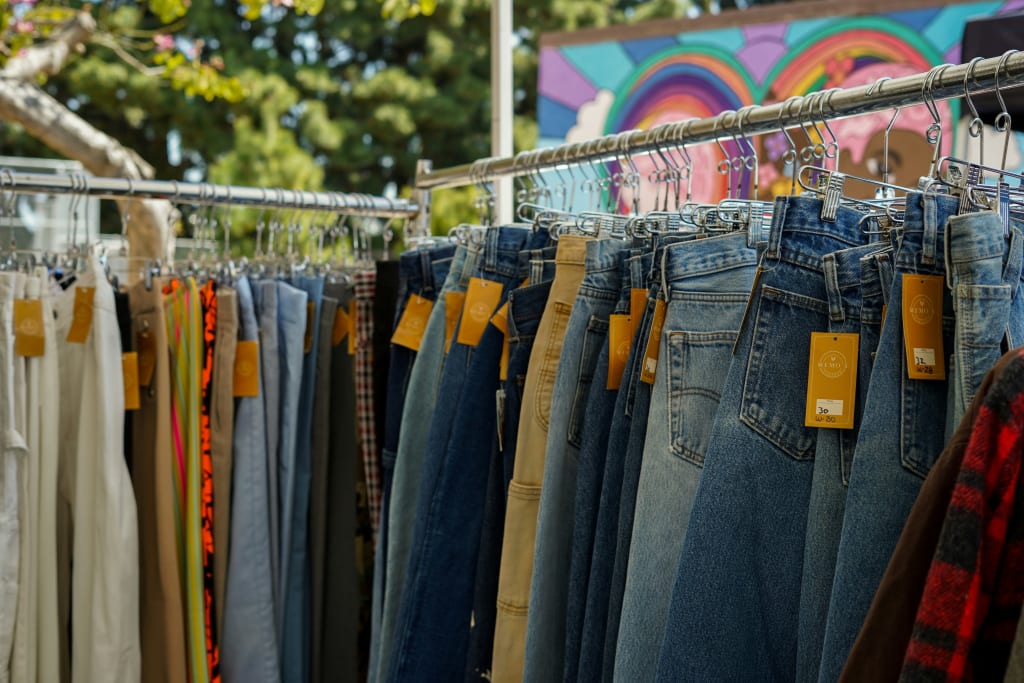
But the question remains: is this practice ethical? Some see it as savvy entrepreneurship and sustainable shopping, while others argue it contributes to higher prices and limits access for communities that rely on thrift stores. Let’s break down both sides of the argument.
Why Thrift Store Reselling Became So Popular
Reselling secondhand goods is nothing new, but social media has given it a massive boost. Thrift hauls trend on TikTok and Instagram, where influencers showcase unique finds that often come from local charity shops. Thrift reselling appeals because:
● It requires low upfront costs.
● It taps into the growing market for sustainable and vintage fashion.
● It provides a flexible side hustle or full-time business opportunity.
For many, it starts with digging through Goodwill bins, flea markets, or donation centers. The thrill of finding a $5 designer dress that can be resold for $100 is part of the appeal.
The Case for Reselling: Positive Perspectives
A Sustainable Cycle
Resellers argue they extend the life of clothing and household goods that might otherwise end up in landfills. By giving secondhand items a second or even third chance, they contribute to a more circular fashion economy.
Financial Opportunity
Reselling has become a lifeline for many during tough economic times. It can provide financial independence for students, parents, and people seeking flexible income streams. Turning thrifted goods into profit is often seen as legitimate entrepreneurship.
Expanding Markets
Resellers also make unique pieces available to buyers outside of local thrift store regions. A vintage jacket sitting unnoticed in a rural shop might find new life with a fashion lover across the country. Without resellers, these connections might never happen.
The Ethical Concerns Around Reselling
Limiting Access for Low-Income Shoppers
One of the biggest criticisms of thrift store reselling is that it can reduce affordable options for the people who need them most. When resellers clear out racks of quality clothing, shoppers who rely on thrift stores for essentials may face limited choices.
Driving Up Prices
Thrift stores operate on supply and demand like any other business. If resellers are consistently removing the most desirable items, stores may raise prices to match perceived value. This undermines the original mission of many thrift shops, which is to provide affordable goods to local communities.
The Question of Intent
Critics argue that there’s a moral difference between shopping at thrift stores for personal use and exploiting the low prices strictly for profit. To them, reselling feels like taking advantage of charitable donations meant for struggling families.
Gray Areas in the Debate
Donation Purpose vs. Resale Reality
When people donate to thrift stores, many assume their items will go to families in need. However, the reality is that many thrift chains already sell donated goods to bulk buyers or recycling centers. In that sense, reselling is just another extension of the secondhand market.
Not All Thrift Stores Are Equal
Large organizations may not rely as heavily on individual buyers as small, community-based charity shops do. A reseller clearing shelves at a local church-run thrift might have a greater impact than doing the same at a national chain.
Shopper Responsibility
The ethics of reselling also depend on buying behavior. Some resellers practice moderation, leaving plenty behind, while others hoard inventory, creating scarcity. For many critics, it’s the excessive buying that raises ethical red flags.
The Role of Goodwill Bins in the Reselling Debate
Goodwill bins—also known as outlet stores or “pay by the pound” locations—have become hotspots for resellers. These warehouses are filled with unsold items from regular thrift stores, and prices are based on weight rather than individual tags.
For resellers, this setup feels like a fair middle ground:
● Items already passed over at retail thrift stores.
● Prices are affordable enough for both resellers and budget-conscious shoppers.
● Goods that don’t sell often end up being recycled anyway.
Critics, however, still argue that resellers dominating bins can push out families who shop there because they truly can’t afford higher-priced thrift stores.
Social Media’s Influence on the Narrative
Platforms like TikTok and Instagram fuel the visibility of thrift reselling. On one hand, these posts inspire sustainable fashion trends and encourage younger generations to buy secondhand. On the other hand, viral thrift haul videos can glamorize reselling and normalize mass-purchasing behaviors that critics see as harmful. Photo by Brett Jordan on Unsplash
Resellers who openly brag about flipping cheap finds for huge markups often face backlash online. Yet, audiences still engage with the content, proving the fascination with secondhand culture isn’t going away anytime soon.
Balancing Profit and Responsibility
Ethical Reselling Practices
Resellers who want to act responsibly often adopt strategies such as:
● Avoiding excessive bulk buying.
● Shopping at outlets or clearance centers instead of small local charities.
● Pricing items fairly to avoid exploiting buyers.
● Being transparent with their customers about sourcing.
Community Considerations
The most ethical resellers recognize that their hustle intersects with broader community needs. Supporting smaller thrift stores by donating back, volunteering, or leaving behind essentials for families is one way to strike a balance.
About the Creator
Keep reading
More stories from Bella Clum and writers in 01 and other communities.
Inside Apple’s Future: What the iPhone 17 Launch Could Reveal
While official details are still under wraps, leaks, supply chain whispers, and past release patterns offer a compelling glimpse into what may be Apple’s most refined flagship yet. From design overhauls to major camera shifts, here’s what the iPhone 17 might reveal about the future of Apple’s smartphone empire.
By Bella Clum6 months ago in 01
2026 Platform Choice Mobile App Development Native vs Hybrid
In 2026, mobile app development native vs hybrid is no longer a framework debate. It reflects a tectonic shift inside the Google ecosystem where AI Retrieval, Zero Click discovery, and entity-level evaluation now shape risk exposure, authority loss, and strategic realignment for every mobile product.
By Samantha Blake6 days ago in 01
How James Kodrowski Builds Scalable Businesses and Long-Term Investments
James Kodrowski is widely recognized as an Entrepreneur, Business Leader & Investor known for building scalable businesses while maintaining a disciplined, long-term investment mindset. His approach combines financial intelligence, operational excellence, and leadership-driven strategy, making his work highly relevant across Finance & Financial Services, Business Strategy & Operations, and Entrepreneurship & Leadership.
By James Kodrowski5 days ago in 01




Comments
There are no comments for this story
Be the first to respond and start the conversation.