
Report: Apple’s next iPhone SE will be the one to retire the iPhone 6 design
Mobile phone article
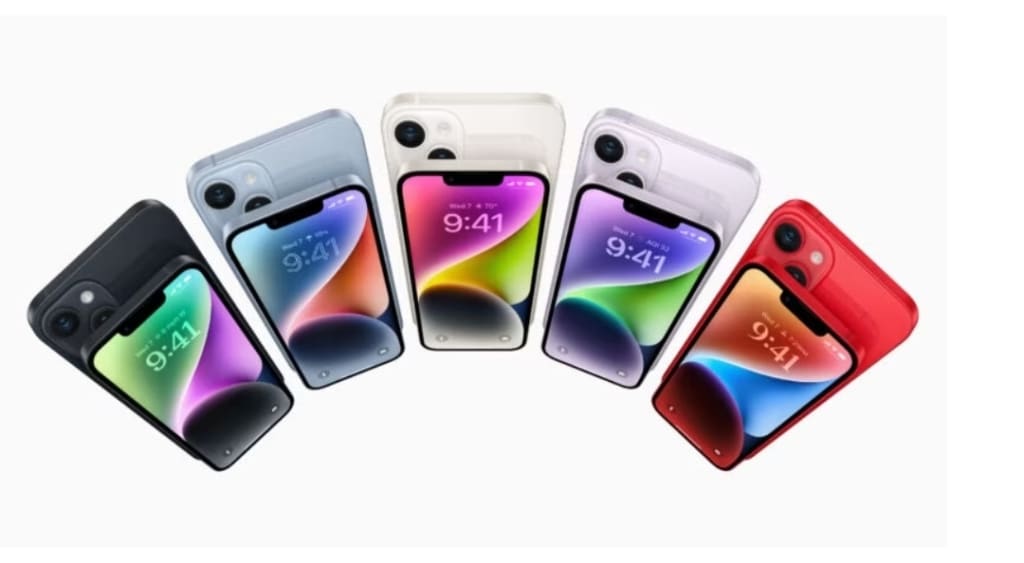
I have a deep admiration for Apple's affordable smartphone, the iPhone SE. Although it may not boast cutting-edge technology, it has consistently offered most of the advantages of the iPhone ecosystem, such as the active App Store, Apple services like iMessage, and timely software updates, all at a significantly lower price than the current flagship model.
However, a drawback of the iPhone SE has always been its dated design. Whether we consider the current iPhone SE or its predecessor, both sport a 4.7-inch screen and basic dimensions reminiscent of the iPhone 6, a design that will soon celebrate its tenth anniversary. While the SE includes advancements like waterproofing, wireless charging, a superior camera, a faster chip, and other remarkable features absent in the iPhone 6, its body-to-screen ratio lags behind most modern smartphones.
Over the past year, reliable insiders have speculated that the next iteration of the iPhone SE will adopt an iPhone X-style design. This would entail a substantially larger screen and a display notch to accommodate the FaceID sensor and webcam. Recently, MacRumors released a report that claims to provide further insight into this upcoming device.
According to the report, the iPhone 14 will serve as the blueprint for the next iPhone SE, similar to how the iPhone 8 shaped the last two SE refreshes. Like the iPhone 14, the new SE is rumored to sport a 6.1-inch OLED display with a notch, rather than a Dynamic Island. Notably, the report does not specify whether the phone will feature an upgrade from the iPhone 14's A15 Bionic chip. However, given that the current SE already uses the A15, it is highly probable that a newer chip will be utilized.
Additionally, the report suggests that the upcoming SE will receive certain enhancements absent in the iPhone 14. These include a USB-C port, to meet the requirements imposed by various regulations for new smartphones, as well as the introduction of the programmable Action Button currently exclusive to the iPhone 15 Pro. Apple is also apparently testing its own 5G modem, although it has struggled to deliver its modems even after acquiring Intel's business for $1 billion.
A longstanding drawback of the iPhone SE has been its camera. The current model employs a single-lens system that still relies on the same lenses and sensors as the iPhone 8's camera. Apple often repurposes cameras of this nature for budget-friendly devices, depending on updates to the SoC's image signal processor to deliver improvements in image quality. Without a telephoto or wide-angle lens, users must rely solely on digital zoom for cropping images. Moreover, the SE lacks support for Night Mode and its Portrait Mode photos do not achieve the same level of subject-background separation as those captured by multi-lens iPhones.
Rumors suggest that the new iPhone SE will retain a single-lens camera, while Apple continues to refine the design and layout of the camera lens. There is a possibility that the phone might feature a 48-megapixel camera sensor, similar to the recently announced iPhone 15, although this information is preliminary and subject to change.
According to credible analyst Ming-Chi Kuo, Apple plans to unveil the next iPhone SE in 2025, three years after the launch of the current model. While this may seem like a lengthy wait, it is considerably shorter than the four-year interval between the original and second-generation SE. This timeline aligns with the notion that the next SE will essentially be an amalgamation of iPhone 14 and some iPhone 15 features. Despite its relatively modest camera capabilities, an iPhone within the typical price range of the SE, around the low- to mid-$400 range, complete with USB-C and an Action Button, might potentially compete with the actual iPhone 14, which Apple currently sells for $700 and above.
About the Creator
Keep reading
More stories from Hm tuhin ahmed rana and writers in 01 and other communities.
Gene discovery focuses on combating powdery mildew, a significant nemesis of hemp.
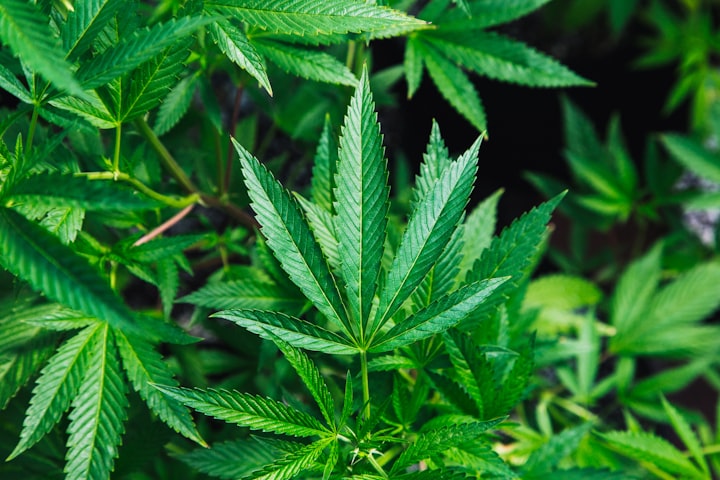
Cornell researchers have identified a gene within hemp that provides resistance to powdery mildew. This discovery offers the emerging hemp industry a valuable resource in combating an extremely common disease that negatively impacts the production of high-cannabinoid Cannabis sativa."This discovery represents a significant advancement in the breeding of powdery mildew-resistant cultivars," stated Larry Smart, a distinguished plant breeder and professor at the College of Agriculture and Life Sciences (CALS), School of Integrative Plant Sciences. He emphasized the positive impact such identification of resistance will have, resulting in improved overall crop production and quality.
By Hm tuhin ahmed rana2 years ago in 01
These Billionaires Bet Big On GreenLand—After Trump Took Interest
Topline Just months after President Donald Trump first expressed interest in the United States possibly gaining control over Greenland, some of the richest people in the world—including Jeff Bezos, Bill Gates and Michael Bloomberg—began making strategic investments in the mineral-rich island.
By Dena Falken Esq2 days ago in 01



Comments
There are no comments for this story
Be the first to respond and start the conversation.