
Reflections in the Rainbow: Logo TV's Founding President on 20 Years of LGBTQ+ Progress
Brian Graden looks back on two decades of trailblazing representation, cultural milestones, and the ongoing fight for LGBTQ+ visibility in media.

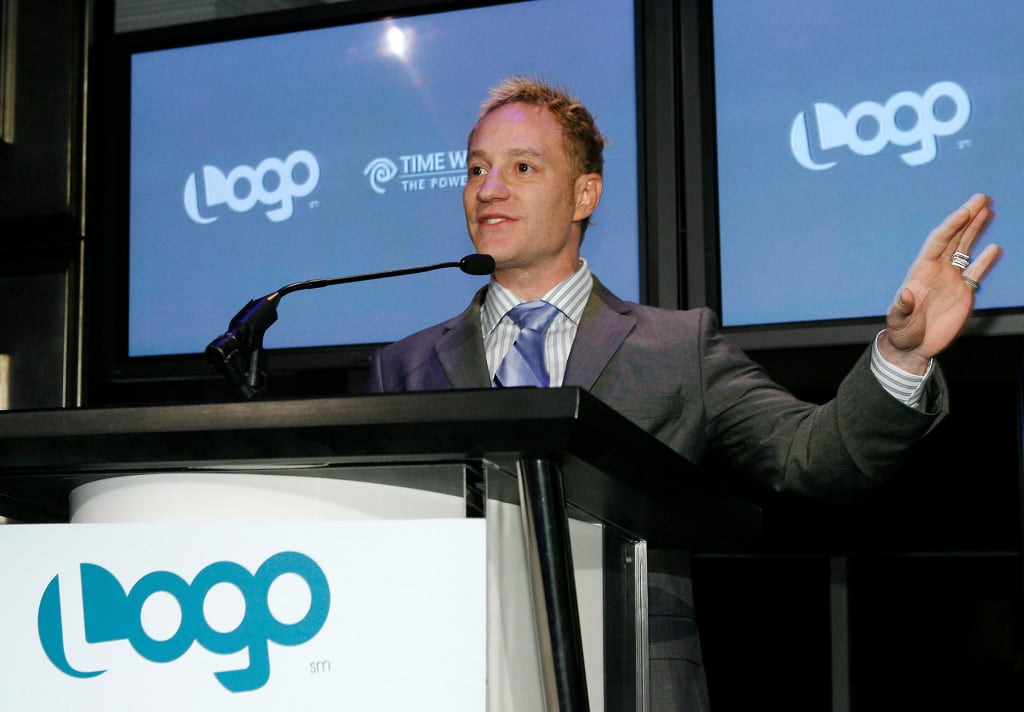
Twenty years ago, the media landscape was a different world — one where LGBTQ+ representation was sparse, and authentic queer storytelling struggled for a platform. In 2005, amid cultural shifts and growing demand for inclusion, a new network flickered onto cable television screens: Logo TV. Billed as the first major American television channel dedicated to LGBTQ+ audiences, Logo quickly became a cultural lighthouse. Two decades later, its founding president — Brian Graden — reflects on the legacy, the battles won, and the challenges still ahead.
A Dream Sparked by a Void
“When we launched Logo in 2005, we weren’t just creating a network,” Graden says, “we were building a mirror. One that had been missing for generations.”
Brian Graden, an openly gay television executive who had already found success shaping pop culture at MTV, knew there was a gap in the media ecosystem. At the time, LGBTQ+ characters on TV were rare and often reduced to stereotypes or sidekicks. “We wanted to change that,” Graden recalls. “We wanted stories by us, for us, about us — across the full spectrum of LGBTQ+ life.”
Backed by MTV Networks (now Paramount Global), Logo debuted with both original programming and curated films that spoke to queer identity, relationships, and challenges. Early offerings included shows like Noah’s Arc, the first scripted series to center on Black gay men, and documentaries that chronicled real queer lives outside of major urban centers.
Creating a Cultural Home
For many LGBTQ+ people, especially those in conservative areas or lacking local community, Logo became more than a TV channel — it became a sanctuary.
“I remember getting letters from teenagers in Kansas, veterans in Alabama, even elders in rural areas who finally saw a piece of themselves on screen,” Graden says, visibly moved. “It made the struggles worth it.”
The network was never just about entertainment; it was about empowerment. Shows like Transamerican Love Story, The Big Gay Sketch Show, and RuPaul’s Drag Race — which later exploded into a global phenomenon — didn’t just push boundaries. They normalized LGBTQ+ joy, love, humor, and resilience.
Graden emphasizes that the network’s early mission wasn’t about “being political,” but rather “being truthful.”
“The existence of our community, our stories, is powerful enough. Just telling them without filter was already a radical act.”
Navigating Growing Pains and Shifting Tides
Despite its strong start, Logo faced challenges — from the pressure to appeal to advertisers, to criticism that its content skewed toward white, cisgender gay men. Over time, the network had to balance financial viability with its inclusive vision.
“There were hard conversations,” Graden admits. “We had to learn in real-time how to be intersectional in our programming. It’s not enough to be LGBTQ+ — we had to reflect race, gender identity, socioeconomic diversity, disability, and more.”
In the 2010s, as LGBTQ+ characters began appearing more frequently on mainstream networks and streaming platforms, Logo’s unique role became harder to define. Some questioned whether a dedicated LGBTQ+ network was still necessary.
To that, Graden has a firm answer: “Absolutely.”
“Visibility isn’t the same as equity. Yes, we’ve made progress, but queer people — especially trans people and queer people of color — are still underrepresented, misunderstood, and often deliberately excluded.”
A Lasting Legacy
Perhaps Logo’s most significant contribution to global culture is RuPaul’s Drag Race. Launched in 2009 with modest expectations, the show’s mix of glamour, wit, and raw emotion eventually caught fire. Though it moved to VH1 and later MTV, the early seasons on Logo laid the foundation for drag artistry to reach households worldwide.
“Drag Race changed the game,” Graden says. “It showed that LGBTQ+ culture isn’t niche — it’s innovative, rich, and marketable. Logo was its cradle.”
Beyond entertainment, Logo also championed documentaries that explored HIV stigma, queer history, and family dynamics — topics often ignored by mainstream media. These programs contributed to broader social understanding and pushed other networks to be more inclusive.
The Road Ahead
As LGBTQ+ rights face renewed political attacks and queer youth contend with rising hate speech, Graden believes Logo’s founding mission is more relevant than ever.
“In some ways, we’re in a full-circle moment,” he notes. “The culture war is back. Queer visibility is under siege. That’s why spaces like Logo — whether on TV, streaming, or social platforms — still matter.”
Graden, who now advises emerging LGBTQ+ creators and nonprofits, emphasizes the need for queer-led media companies in the digital age. “We need to own our platforms. Whether it's TikTok channels, podcasts, indie films — queer voices must shape the narrative, not just participate in it.”
He also urges allies to remain vigilant: “Representation is a moving target. What was radical in 2005 might be mainstream today, but that doesn’t mean the fight is over. It just means the battlefield has moved.”
Celebrating 20 Years with Purpose
This year, Logo is commemorating its 20th anniversary with a series of retrospectives, re-airings of its landmark shows, and new interviews with LGBTQ+ creators and activists who were shaped by the network.
One special event, Logo Legacy: 20 Years of Pride and Progress, will feature panels discussing the evolution of queer storytelling, the impact of RuPaul’s Drag Race, and the continued importance of queer-owned media spaces.
Graden will be part of that conversation — not as a nostalgic founder, but as a lifelong advocate.
“My greatest hope,” he says, “is that young queer people today will feel not just seen, but heard. That they’ll realize they’re inheriting a legacy built on risk, love, and radical truth — and that they’ll carry it forward, louder than ever.”
---
Final Thoughts
Twenty years after its inception, Logo TV stands as a symbol of how far LGBTQ+ representation has come — and how much further it needs to go. From a fledgling cable experiment to a cultural catalyst, its story is more than a media milestone. It’s a reminder that when you give a marginalized community the mic, they don’t just speak — they sing, they shout, and they change the world.
As Graden says, “You can’t dim a rainbow. You can only add to its light.”
About the Creator
Keep reading
More stories from Dipayan Biswas and writers in 01 and other communities.
How to Open Up to a Big Sister
1. Understanding the Distance: Acknowledge the Pain Without Judgement Growing up without the presence or support of a big sister can leave emotional gaps that are difficult to articulate. Older siblings often carry symbolic weight—they are protectors, guides, and sometimes even role models. When that expectation is unmet, it leads to confusion, resentment, or a silent longing for connection. Before you can open up to her, it's important to first explore your own feelings about the past. Were you hurt because she didn’t come to your school events? Did you feel alone during family crises because she seemed emotionally or physically absent? Understanding the specifics of your experience, rather than burying the emotion, is a vital step toward meaningful communication.
By Dipayan Biswas7 months ago in Fiction
JD Vance: ‘despicable toady for Trump’ – and 2028 candidate in all but name
JD Vance has moved quickly from outsider to one of the most influential figures in American politics. As vice president, he has positioned himself as Donald Trump’s most aggressive defender while quietly building a future of his own. Publicly, he presents loyalty. Privately, many see preparation.
By Dena Falken Esqa day ago in 01



Comments
There are no comments for this story
Be the first to respond and start the conversation.