
Reducing Fuel Burn: Innovations Driving Efficiency in Track-Mounted Jaw Crusher Operation
Engineering the Future: How Next-Gen Tech is Slashing Fuel Consumption in Mobile Crushing


In the demanding world of aggregate production, mining, and recycling, the track-mounted jaw crusher stands as a symbol of powerful mobility. Its ability to move directly to the raw material source significantly cuts down on truck haulage costs and site preparation time. However, operating these powerful mobile machines, especially their diesel engines, comes with a substantial fuel bill. As fuel prices remain volatile and environmental regulations tighten, reducing fuel consumption has become a critical operational priority and a key competitive differentiator for equipment manufacturers. Fortunately, a wave of technological innovations is transforming the efficiency landscape of track mounted jaw crusher, directly targeting the reduction of fuel burn.
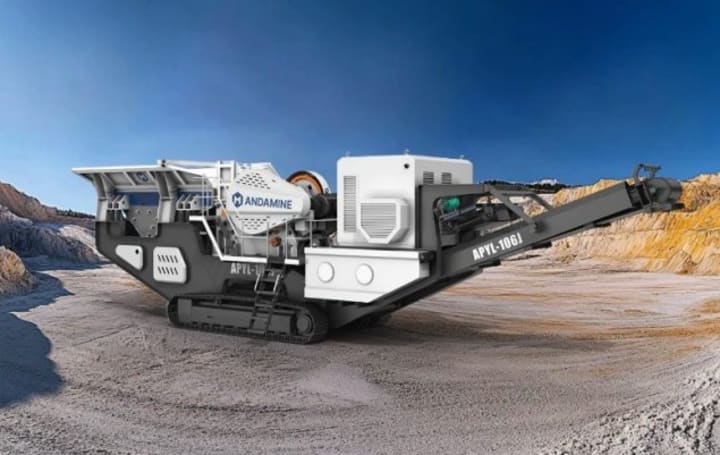
Understanding the Fuel Challenge
Track-mounted jaw crushers face inherent fuel efficiency challenges:
Power Demand: Crushing hard rock or dense recycled concrete requires immense mechanical power.
Diesel Engines: While reliable and powerful, traditional diesel engines are not inherently efficient at all operating points, especially under partial or varying loads.
Ancillary Systems: Beyond the crushing mechanism, power is drawn for the hydraulics (track movement, feeder operation, setting adjustment), conveyors, screening units (if integrated), and onboard electrical systems.
Idling & Inefficient Operation: Poor operator practices, improper settings, and unnecessary machine idling during breaks or material handling pauses can significantly inflate fuel consumption without productive output.
Weight & Mobility: Moving the machine itself consumes fuel, and hauling the inherent weight of a robust crusher structure requires energy.
Key Innovations Driving Fuel Efficiency
Manufacturers are tackling these challenges head-on through intelligent engineering and sophisticated control systems:
Optimized Engine Technologies & Hybrid Systems:
Intelligent Engine Control: Modern machines feature sophisticated Engine Control Units (ECUs) that constantly monitor load demands. Instead of running at a fixed high RPM, the ECU adjusts engine speed dynamically. When crushing demand is low (e.g., feeding smaller material or operating below capacity), the engine RPM drops significantly, drastically reducing fuel consumption during those periods. This is far superior to older "fixed throttle" systems.
Direct Injection & Turbocharging: Advanced Tier 4 Final / Stage V diesel engines incorporate high-pressure direct fuel injection and precision turbocharging. This allows for more complete combustion, extracting more usable power from each liter of fuel, reducing consumption and emissions simultaneously.
Hybrid Drive Systems: Emerging as a game-changer, some advanced models integrate electric motors with a smaller, highly efficient diesel engine. The diesel engine acts primarily as a generator to charge batteries or directly power electric crusher drives and hydraulic systems. Benefits include:
Reduced Engine Size: Smaller engines run closer to their optimal load point more consistently.
Peak Shaving: Electric motors provide instant high torque for crushing peaks, allowing the diesel engine to run steadily without surges.
Regenerative Braking: Captures energy during the crushing jaw's retraction stroke and feeds it back to the system.
Silent Zero-Emission Operation: Capable of running purely on battery power for limited periods (e.g., repositioning, during breaks), eliminating idling fuel burn.

Smart Hydraulic Systems:
Variable Displacement Pumps: Replace fixed displacement pumps. These pumps only deliver the precise flow and pressure required for each function (e.g., track movement, feeder speed, crusher adjustments). Excess hydraulic flow isn't generated and wasted, reducing the parasitic load on the engine.
Load Sensing Hydraulics: These systems continuously sense the demand from each hydraulic function and supply only the necessary pressure and flow to meet that immediate demand. This minimizes energy loss within the hydraulic circuits.
Electrified Auxiliary Functions: Utilizing electric motors for non-critical functions like conveyors, lights, fans, and control systems can significantly reduce the load on the main hydraulic system and, consequently, the diesel engine.
Advanced Automation & Intelligence:
Automated Load Control: Sensors monitor the crusher chamber and feed rate. Smart software automatically regulates the feeder speed to ensure the crusher operates consistently at its optimal choke-fed capacity. Avoids overfeeding (causing blockages and stress) and underfeeding (wasting energy crushing air). Consistent loading maximizes tons per gallon.
Intelligent Crushing Parameters: Modern control systems can suggest or automatically adjust settings like the Closed Side Setting (CSS) based on material type and feed size for optimal efficiency.
Idle Shutdown: Automatic systems shut down the engine after a pre-set period of inactivity, eliminating unnecessary idling fuel consumption.
Telematics & Performance Monitoring: Systems like Metso Metrics, Sandvik My Fleet, T-Link (Terex), and Komtrax (Komatsu) provide real-time data on fuel usage (often liters per hour or gallons per hour), load factors, idle time, production rates, and engine health. Operators and fleet managers can pinpoint inefficiencies, compare performance across sites/machines, and track the impact of improvement efforts.
Machine Design & Operational Optimizations:
Efficient Crushing Chamber Design: Computer-optimized jaw profiles and chamber geometries promote better material flow, reducing the energy required for effective breakage. Steeper nip angles and curved jaw plates can enhance efficiency.
Effective Pre-Screening: Integrated or separate pre-screening removes fines from the feed before it reaches the jaw crusher. This prevents the primary crusher from wasting energy processing material already at the required size.
Operator Training & Best Practices: Empowering operators with knowledge on efficient machine operation – maintaining optimal feed rates, minimizing track movements, utilizing auto features correctly, avoiding unnecessary idling, and planning site logistics – is arguably one of the most impactful "innovations" for reducing fuel burn. Telematics data is crucial for identifying training opportunities.
Predictive Maintenance: Ensuring the machine is running at peak efficiency through timely maintenance (clean air filters, correct oil viscosity, optimal crusher settings) prevents increased fuel consumption due to component degradation or friction losses.

The Tangible Benefits: Beyond Fuel Savings
The focus on reducing fuel burn delivers compelling advantages:
Significant Cost Reduction: Fuel is one of the largest operational expenditures. Efficiency gains translate directly to a healthier bottom line. A 20-30% fuel reduction represents substantial annual savings.
Lower Carbon Footprint: Reduced fuel consumption means lower CO2 emissions, aligning with corporate sustainability goals and regulatory requirements.
Extended Engine & Component Life: Operating engines at optimal load points and reducing stress cycles extends engine, hydraulic pump, and crusher component lifespan.
Enhanced Operational Flexibility: Improved efficiency might extend the viable working range per tank of fuel on remote sites.
Increased Machine Uptime & Productivity: Efficient operation often correlates with smoother operation and better overall machine health, reducing unplanned downtime.
Conclusion
Reducing fuel burn in track-mounted jaw crusher operation is no longer just a desirable goal; it's an operational imperative driven by economics and environmental responsibility. The industry is responding not with incremental changes but with transformative innovations. From intelligent engine management and sophisticated hybrid drives to load-sensing hydraulics and powerful telematics-driven insights, manufacturers are arming operators and owners with the tools to dramatically cut fuel consumption. By embracing these technologies and coupling them with skilled operation and proactive maintenance, businesses can unlock significant cost savings, reduce their environmental impact, and ensure their track-mounted jaw crushers operate at peak efficiency well into the future. The mobile crushing site of tomorrow will be defined not only by its raw power but by its intelligent fuel-sipping performance.
About the Creator
Andamine
Andamine is dedicated to offering customized crushing equipment solutions tailored to meet the diverse needs of our clients’ projects, helping you achieve efficient, sustainable, and cost-effective production goals.
8 Secrets Women Will Never Tell Men
1. She Notices How You Talk About Other Women The way you speak about other women says a lot about your character. If you constantly criticize, objectify, or disrespect women, she notices. Even casual jokes or comments can reveal your deeper attitudes. Many women quietly evaluate whether a man respects women in general, not just the woman he is trying to impress.
By The Story Scribeabout 13 hours ago in 01
The Stories We Tell With Flags: From Cycling Roads to Soccer Stadiums
Flags have existed for centuries, yet they still appear in some of the most ordinary moments of modern life. A small piece of fabric moving in the wind can communicate identity, caution, celebration, or belonging. While many people associate flags with nations or ceremonies, they also show up in places that feel far more personal—like a bicycle ride through a neighborhood or a crowded soccer match on a weekend evening.
By charliesamuelabout 2 hours ago in 01




Comments
There are no comments for this story
Be the first to respond and start the conversation.