

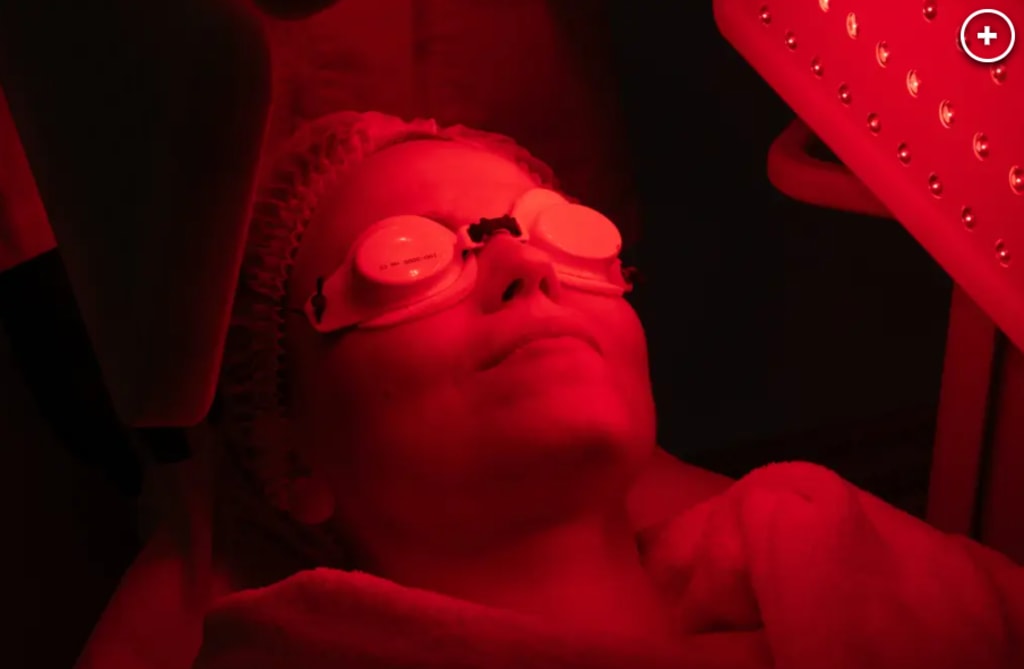
Acne is a persistent skin issue that affects millions worldwide, leading to frustration and a constant search for effective treatments. Enter red-light therapy (RLT)—a rising star in the skincare industry. But does it really work, or is it just another skincare fad? Let’s dive into the science behind red-light therapy and its potential impact on acne.
Understanding Acne
What Causes Acne?
Acne occurs when hair follicles become clogged with oil and dead skin cells, leading to whiteheads, blackheads, or pimples. It can be triggered by hormonal imbalances, diet, stress, or genetics.
Traditional Acne Treatments & Their Limitations
Many turn to treatments like benzoyl peroxide, salicylic acid, or oral medications. However, these often come with side effects like dryness, irritation, or antibiotic resistance. This is where red-light therapy presents itself as a gentler alternative.
What is Red-Light Therapy?
Red-light therapy uses low-wavelength red light to penetrate the skin and stimulate cellular repair. Unlike harsh chemical treatments, it encourages natural skin healing and inflammation reduction.
How is it Different from Other Light Therapies?
Blue light: Targets bacteria causing acne.
Red light: Reduces inflammation and promotes healing.
Infrared light: Penetrates deeper to enhance collagen production.
How Red-Light Therapy Targets Acne
Unlike traditional treatments that focus on surface-level bacteria, red-light therapy works at a deeper level, reducing inflammation and promoting skin repair. Studies suggest it helps minimize acne scars and improve skin tone over time.
New Study on Red-Light Therapy for Acne
A recent study tested the effects of red-light therapy on acne-prone skin. Researchers found that after 8-12 weeks of consistent use, participants experienced a significant reduction in breakouts and inflammation. While not an instant cure, the results were promising for long-term skin health.
Does Red-Light Therapy Really Work?
Expert Opinions & Dermatologist Insights
Dermatologists confirm that while red-light therapy isn’t a miracle cure, it is a valuable addition to acne treatment routines, especially for those with sensitive skin who can’t tolerate harsh chemicals.
Real-World Success Stories
Many users report clearer skin, reduced redness, and fewer breakouts after using LED masks or panels consistently for a few months.
Benefits Beyond Acne
Aside from treating acne, red-light therapy has multiple benefits, including:
Boosting collagen production (reducing fine lines and wrinkles)
Healing scars and pigmentation
Soothing inflammation from skin conditions like eczema and rosacea
How to Use Red-Light Therapy at Home
Choosing the Right Device
Not all LED devices are created equal. Look for ones with FDA clearance, multiple wavelengths, and a track record of positive reviews.
Best Practices for Effective Treatment
Use 3-5 times per week for at least 10-15 minutes.
Apply on clean, dry skin.
Follow up with a moisturizer to lock in hydration.
Potential Side Effects & Risks
Red-light therapy is generally safe, but overuse or improper use can lead to mild irritation. It’s not recommended for individuals with light sensitivity or certain medical conditions without consulting a doctor.
Comparing Red-Light Therapy to Other Acne Treatments
Red-Light Therapy vs. Prescription Treatments
While oral and topical medications offer faster results, they often come with side effects. Red-light therapy provides a drug-free, irritation-free alternative, albeit with more patience required.
Combining LED Therapy with Other Skincare Routines
For best results, pair red-light therapy with gentle cleansers and non-comedogenic moisturizers. Avoid products that cause excessive dryness.
Cost & Accessibility
Price Range of At-Home Devices
At-home LED masks range from $50 to $500, depending on the brand and features. Professional treatments cost more but may provide stronger results in a shorter time.
Professional Treatments vs. DIY Solutions
While professional sessions offer stronger wavelengths and expert supervision, at-home devices provide affordable, long-term solutions for regular use.
The Future of Red-Light Therapy in Skincare
Advancements in LED technology are leading to smarter, AI-powered devices that adapt to individual skin needs, making treatments even more effective.
Conclusion
Red-light therapy is not a magical overnight fix, but it is a promising option for those looking to reduce acne naturally and gently. If you're patient and consistent, it can be a game-changer for your skincare routine.
FAQs
How long does it take to see results?Results typically appear within 8-12 weeks with regular use.
Can red-light therapy replace other acne treatments?It works best alongside other treatments rather than as a sole solution.
Is red-light therapy safe for all skin types?Yes, but those with light-sensitive conditions should consult a dermatologist.
How often should I use it?3-5 times per week for optimal results.
Can I use red-light therapy with other skincare products?Absolutely! Just avoid harsh exfoliants before treatment.
About the Creator
Apleetech
Apleetech is a Professional Technology Platform. Here we will provide you only interesting content, which you will like very much. We're dedicated to providing you with the best of Technology, with a focus on dependability and Tech.
Jeff Bezos reveals the No. 1 secret behind Amazon’s trillion-dollar success, has a unique advice for young people
Jeff Bezos reveals the No.1 secret behind the company’s trillion-dollar success. He said that it can be advantageous for any company if they pay attention to customer instead of your competitor, giving a classic example of customer-driven innovation Amazon Prime. Jeff Bezos also advised young entrepreneurs to gain foundational skills through entry-level jobs like those at McDonald’s, emphasizing responsibility and resilience.
By Dena Falken Esq7 days ago in 01
Service in major U.S. cities is disrupted by a massive Verizon network outage. Cities
On Wednesday, January 14, 2026, Verizon Communications experienced a widespread network failure that disrupted voice and data services for tens of thousands of customers across the United States. Users were unable to make calls, send texts, or access mobile internet for several hours as a result of the outage, which was one of the largest in recent memory for the nation's largest wireless carrier. This prompted emergency alerts to be issued in some cities and prompted fresh inquiries regarding the reliability of networks in a world that is becoming increasingly connected.
By Raviha Imran2 days ago in 01



Comments
There are no comments for this story
Be the first to respond and start the conversation.