
Real Himalayan Pink Salt: Nature's Mineral Marvel Explained
A Timeless Mineral for Flavor, Wellness, and Décor
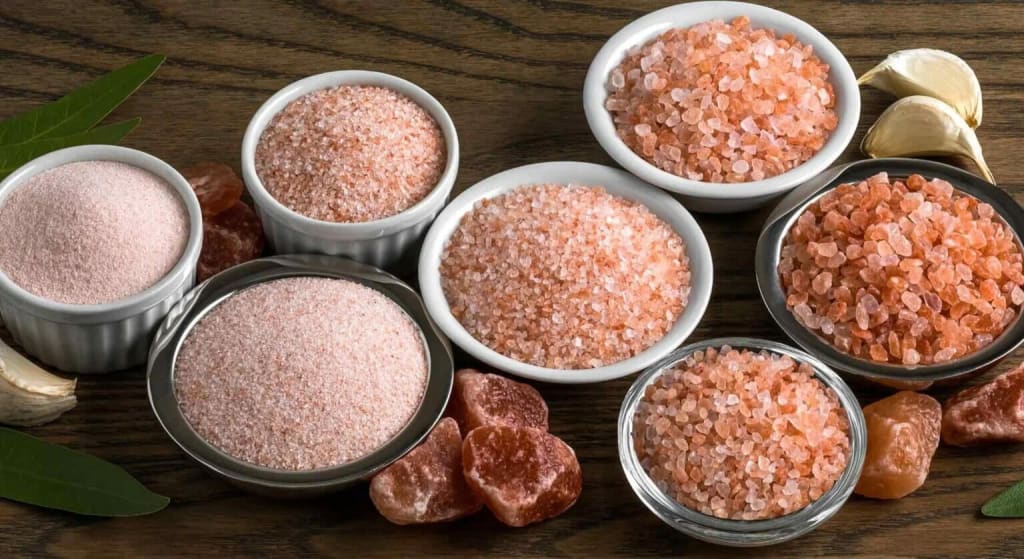
When it comes to culinary ingredients that combine flavor, visual appeal, and potential health benefits, real Himalayan pink salt stands in a category of its own. Those distinctive rosy crystals have transformed from a specialty item to a kitchen staple found in homes and high-end restaurants worldwide. But what exactly makes this salt so special, and how can you ensure you're getting the authentic product? Let's explore the fascinating world of this ancient mineral treasure.
The Origins of Nature's Pink Mineral
True Himalayan pink salt comes from the Khewra Salt Mine in Pakistan, nestled in the foothills of the Himalayan mountains. This ancient salt deposit formed over 250 million years ago when prehistoric seas evaporated, leaving behind their mineral-rich contents. Sealed by lava and tectonic activity, these salt deposits remained protected from modern pollution, preserving their pristine quality and unique mineral composition.
What sets real Himalayan pink salt apart is its remarkable age and purity. While many products claim the Himalayan name, authentic salt from this region contains a distinctive mineral profile that includes iron, magnesium, calcium, and potassium. These minerals contribute to both its characteristic color and its subtle, complex flavor profile that enhances rather than overwhelms food.
The Science Behind the Color
That captivating pink hue that makes this salt instantly recognizable comes primarily from its iron oxide content. The concentration of these minerals can vary, creating a spectrum of colors from light pink to deep rose. The Pink Salt Company and other reputable suppliers often offer different grades based on color intensity and mineral content.
Beyond aesthetics, these trace minerals give real Himalayan pink salt a different flavor profile than processed table salt. Many chefs describe it as having a milder, more complex taste that adds dimension to dishes without the harsh, one-dimensional saltiness of regular table salt.
Culinary Applications: Beyond the Shaker
In the kitchen, this versatile ingredient shines in numerous applications. As a finishing salt, the coarse crystals add texture and visual appeal to everything from grilled meats to chocolate desserts. When ground fine, it integrates perfectly into recipes, providing balanced seasoning that enhances natural flavors.
Many culinary experts prefer using real Himalayan pink salt during cooking because it dissolves more evenly than processed salts and distributes flavor more consistently throughout dishes. Its mineral content also means you can often use slightly less while achieving the same flavor enhancement, a small but significant benefit for those monitoring sodium intake.
Beyond Cooking: Therapeutic Uses
Outside the kitchen, Himalayan pink salt has found numerous applications in wellness and spa treatments. Himalayan salt stones have become popular tools in massage therapy, offering unique benefits through their mineral content and natural thermal properties. When warmed, these smooth stones help muscles relax while the minerals interact with the skin.
Himalayan pink salt massage stones are typically hand-carved into smooth shapes that therapists can easily manipulate across the body. Their natural antibacterial properties make them hygienic options for spa settings, while their ability to hold heat provides consistent warmth throughout treatments.
Salt Lamps and Home Décor
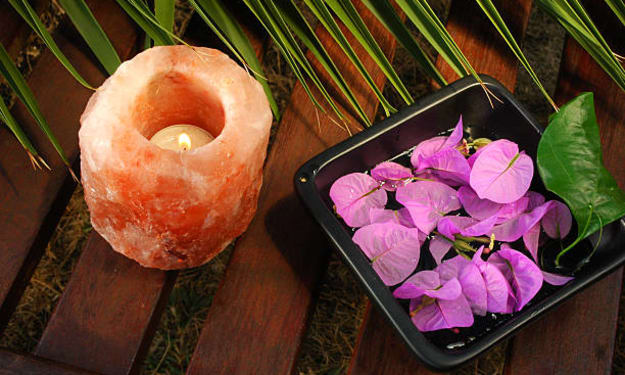
Another popular use for this versatile mineral comes in the form of salt lamps and decorative items. These hollowed-out salt chunks with internal light sources create a warm, amber glow that many find soothing. While claims about their air-purifying properties continue to be debated, their aesthetic appeal is undeniable.
Architectural elements like salt bricks and wall panels have also gained popularity in luxury spas, wellness centers, and even private homes. Proponents suggest that surrounding yourself with these natural elements creates a calming atmosphere that promotes wellbeing.
Identifying Authentic Products
With increasing popularity comes the challenge of distinguishing genuine products from imitations. True Himalayan pink salt has several identifiable characteristics. The color should be naturally uneven, ranging from light pink to deeper rose hues, with visible variations throughout. The crystals should also vary slightly in transparency.
Reputable suppliers like The Pink Salt Company provide information about their sourcing practices and often include mineral analysis details with their products. Price can also be an indicator – while not prohibitively expensive, authentic Himalayan salt typically costs more than regular table salt due to the mining and transportation processes involved.
Environmental and Ethical Considerations
As demand for real Himalayan pink salt continues to grow, questions about sustainability have naturally emerged. The Khewra mine has estimated reserves sufficient to last hundreds of years at current extraction rates, but ethical mining practices remain important considerations.
Responsible companies prioritize fair trade practices that ensure miners receive appropriate compensation and work under safe conditions. Some organizations also implement strategies to minimize environmental impact through efficient extraction methods and responsible packaging choices.
Separating Fact from Fiction
With popularity comes mythology, and Himalayan pink salt has attracted its share of exaggerated health claims. While the mineral content offers some nutritional differences compared to refined table salt, it's important to maintain realistic expectations about its benefits.
The trace minerals in real Himalayan pink salt can contribute small amounts of essential elements to your diet, but they don't represent a significant source of these nutrients in typical usage amounts. The greatest verified benefit remains its complex flavor profile and culinary versatility rather than dramatic health transformations.
Incorporating Pink Salt into Your Lifestyle
Whether you're a culinary enthusiast looking to elevate your dishes or someone interested in natural wellness practices, this versatile mineral offers numerous possibilities. For cooking, consider keeping different grain sizes on hand – coarse crystals for finishing dishes and finer grinds for cooking.
Those interested in wellness applications might explore Himalayan salt stones for home massage or create simple salt soaks by dissolving the crystals in warm bathwater. Even simple solutions like a salt gargle can provide soothing benefits for minor throat irritation.
The Future of Pink Salt
As consumer interest in natural, minimally processed ingredients continues to grow, real Himalayan pink salt seems positioned to maintain its popularity. Innovative applications continue to emerge, from chocolate bars studded with pink salt crystals to specialty cocktails featuring salt-rimmed glasses.
What began as a specialty ingredient has evolved into a cultural phenomenon that bridges culinary, wellness, and decorative worlds. Whether you're seasoning a steak, enjoying a salt stone massage, or simply appreciating the warm glow of a salt lamp, this remarkable mineral continues to find new ways to enhance everyday experiences.
When selecting products, prioritize suppliers with transparent sourcing information and established reputations for quality. By choosing authentic real Himalayan pink salt from responsible sources, you can enjoy all the benefits this remarkable natural resource has to offer while supporting sustainable practices.
About the Creator
Keep reading
More stories from Freya Jack and writers in 01 and other communities.
The Allure of Salt Candles: A Natural Touch for Your Home
In recent years, salt candles have surged in popularity, becoming a favorite decorative and wellness item for many households. These candles offer more than just a calming ambiance; they also provide a unique, natural aesthetic that can enhance the look and feel of any space. Whether you’ve heard of the benefits of Himalayan salt candles or are curious about the versatility of a salt and stone candle, these innovative creations have captivated both candle lovers and wellness enthusiasts alike. In this post, we will explore the charm of salt candles and why they’re a must-have for anyone looking to incorporate a touch of nature into their home decor.
By Freya Jack11 months ago in 01
The Role of AI in Transforming Modern eLearning App Development
In the digital era, education is no longer confined to traditional classrooms. The demand for personalized, accessible, and interactive learning experiences has driven the growth of eLearning app development. Among the most transformative technologies shaping this space is Artificial Intelligence (AI). By integrating AI into educational platforms, businesses and institutions are revolutionizing how content is delivered, assessed, and adapted to learners’ needs.
By keith lauranceabout 4 hours ago in 01
How AI-Powered Digital Experience Solutions are Redefining Customer Journeys in 2026
In 2024, the digital customer journey was a series of clicks. A user visited a website, navigated a menu, applied a filter, and scrolled through results. In 2026, the journey has changed. The "click" is dying. It is being replaced by intent.
By ViitorCloud Technologiesabout 2 hours ago in 01
Rachel Reviews: Lakefront Wolves by Joseph Deegan
Meet Finn. He's an 18 year old kid who has potential. He's bright with great school scores and he's also an athlete, a footballer of some prowess. He has it all going for him, it would seem, and yet, he's determined to send what could be a well-planned, stable existence firmly off the rails. He drinks, he smokes, he takes drugs, he has violent tendencies and he's in danger of losing not only his mind but all that he holds dear.
By Rachel Deeming5 days ago in BookClub



Comments
There are no comments for this story
Be the first to respond and start the conversation.