
Ramadan in Nigeria: a time of spiritual renewal and community bonding
Ramadan in Nigeria

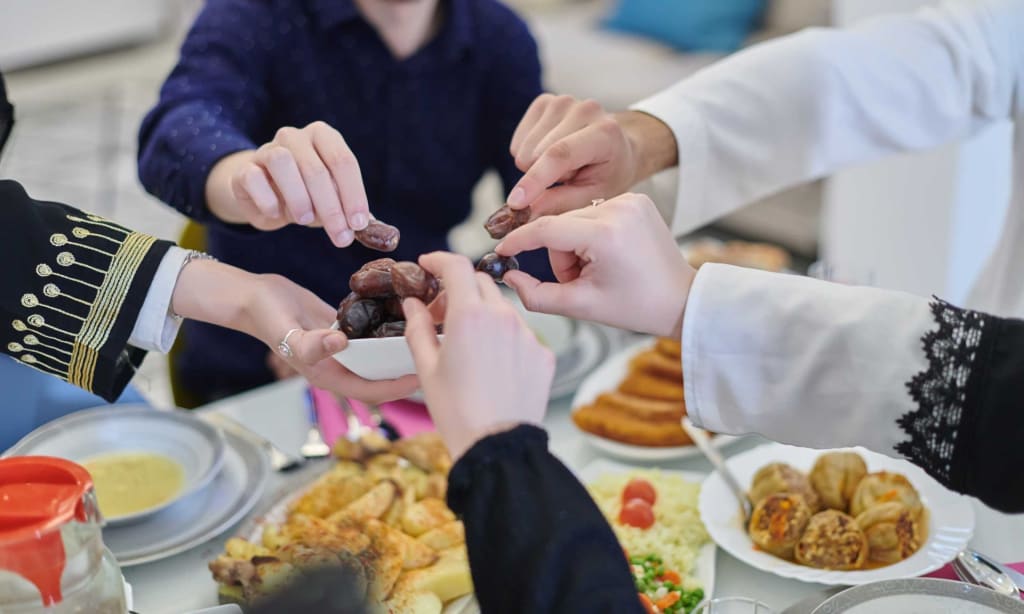
As the sun sets over the bustling city of Lagos, the call to prayer echoes through the streets, signaling the start of another day of fasting during the holy month of Ramadan. With a Muslim population of over 90 million, Nigeria is home to one of the largest Islamic communities in the world, and the observance of this sacred time is deeply ingrained in the country's cultural and religious fabric.
Ramadan, the ninth month of the Islamic lunar calendar, is a time of profound spiritual reflection, devotion, and community engagement for Nigerian Muslims. During this month, they abstain from eating, drinking, and other sensual pleasures from dawn to dusk, a practice known as sawm. This act of self-discipline and sacrifice is seen as a means of drawing closer to Allah, purifying the soul, and cultivating a deeper sense of empathy and compassion.
The rhythm of Ramadan: prayers and iftar in Lagos
In the bustling city of Lagos, the rhythms of Ramadan are deeply felt. Throughout the day, the faithful gather at mosques to perform the five obligatory prayers, each with its own specific timing. According to the Lagos prayer time schedule, the Fajr (dawn) prayer is observed around 5:00 AM, followed by Dhuhr (noon) at 12:30 PM, Asr (afternoon) at 4:00 PM, Maghrib (sunset) at 7:00 PM, and Isha (night) at 8:30 PM.
As the sun dips below the horizon, the city comes alive with the anticipation of Iftar, the breaking of the fast. Families and communities gather to share a meal and celebrate the end of the day's abstinence. The Ramadan Iftar time in Lagos is typically around 7:00 PM, though it may vary slightly depending on the season and location.
These communal Iftar gatherings are not just about satisfying physical hunger; they are also opportunities for spiritual nourishment, social bonding, and the strengthening of cultural traditions. Dishes like jollof rice, suya (grilled meat), and moin-moin (steamed bean pudding) are often served, accompanied by the sweet taste of dates and the sipping of cool water or fruit juices.
The spiritual significance of Ramadan
Beyond the physical act of fasting, Ramadan holds deep spiritual significance for Nigerian Muslims. It is a time to reflect on one's relationship with Allah, to seek forgiveness and purification, and to cultivate a greater sense of empathy and compassion for others.
During this month, the faithful engage in increased acts of worship, including the recitation of the Quran, additional prayers, and the performance of good deeds. The Night of Power (Laylat al-Qadr), believed to be the night when the first verses of the Quran were revealed to the Prophet Muhammad, is particularly revered. Nigerian Muslims often spend this night in intense prayer, seeking divine guidance and blessings.
The spirit of generosity and charity also permeates the Ramadan experience in Nigeria. Many Muslims make a concerted effort to give to those in need, whether through monetary donations, the provision of food and clothing, or the offering of time and skills. This act of zakat, or obligatory almsgiving, is seen as a way to fulfill one's religious duty and to strengthen the bonds of the ummah, the global Muslim community.
The diversity of Ramadan celebrations
Nigeria's rich cultural diversity is reflected in the varied ways in which Ramadan is celebrated across the country. In the northern regions, where the Muslim population is particularly concentrated, the observance of Ramadan often takes on a more traditional and communal character.
In cities like Kano and Sokoto, the faithful gather in large numbers for communal prayers and Iftar celebrations, often in the courtyards of grand mosques or in designated community spaces. The rhythmic chanting of Quranic verses and the shared experience of fasting and breaking the fast together create a palpable sense of unity and belonging.
In the southern regions, where the Muslim population is more dispersed, the Ramadan experience may take on a more individualized or family-centric approach. However, the spirit of community and shared devotion remains strong, with neighborhoods and local mosques organizing events and activities to bring the faithful together.
In Lagos, for example, the bustling commercial capital, Ramadan celebrations often blend traditional Islamic practices with the vibrant cultural tapestry of the city. Iftar gatherings may feature not only the classic Nigerian dishes, but also a fusion of culinary influences from across the country and the diaspora. The rhythms of Sufi music and the recitation of poetry add to the rich tapestry of the celebrations.
The importance of Eid al-Fitr
As the final days of Ramadan draw to a close, the anticipation for Eid al-Fitr, the festival that marks the end of the fasting month, builds among Nigerian Muslims. This joyous celebration is a time of feasting, gift-giving, and the renewal of familial and community bonds.
On the day of Eid al-Fitr, the faithful gather in mosques or open spaces to perform the Eid prayer, a special congregational prayer that signifies the completion of the Ramadan journey. The atmosphere is one of elation and gratitude, as the community comes together to express their appreciation for the blessings of the past month and to look forward to the year ahead.
The festivities continue throughout the day, with families and friends exchanging visits, sharing meals, and indulging in traditional sweets and delicacies. Children are often the recipients of new clothes, toys, and monetary gifts, known as "Sallah money," further enhancing the sense of joy and celebration.
The legacy of Ramadan in Nigeria
The observance of Ramadan in Nigeria extends far beyond the confines of the holy month itself. The spiritual lessons, the strengthening of community ties, and the cultivation of virtues like patience, empathy, and generosity continue to shape the lives of Nigerian Muslims throughout the year.
The discipline and self-control developed during the fasting period are often applied to other aspects of life, fostering a greater sense of personal and spiritual growth. The connections forged within the ummah during Ramadan serve as a foundation for ongoing acts of mutual support, charity, and social cohesion.
Moreover, the legacy of Ramadan in Nigeria extends beyond the Muslim community, as the spirit of the month often permeates the broader societal fabric. The increased emphasis on charitable giving and community engagement during this time can have a ripple effect, inspiring non-Muslims to participate in acts of kindness and social responsibility.
As the crescent moon rises to signal the start of a new Ramadan, Nigerian Muslims eagerly anticipate the arrival of this sacred time, knowing that it will once again provide an opportunity for spiritual renewal, community bonding, and the strengthening of their faith. The month of Ramadan, with its unique rhythms and traditions, remains a cherished and integral part of the Nigerian cultural and religious landscape.
About the Creator
Keep reading
More stories from Malik Arshad and writers in 01 and other communities.
Luma AI Dream Machine: Redefining Creativity with Cutting-Edge AI
In the rapidly evolving world of artificial intelligence, Luma AI Dream Machine stands out as a groundbreaking tool for creators, artists, and innovators. Leveraging advanced AI technologies, it opens up new horizons for imagination and creativity, allowing users to turn their ideas into visually stunning realities.
By Malik Arshadabout a year ago in 01
Candace Owens pushes theory Charlie Kirk was 'time traveller' who went to 'X-Men school'
In a recent episode of her podcast, Candace Owens said Charlie Kirk told her he was a “time traveler” who was sent to “X-Men school,” and alleged he was monitored since childhood.
By Dena Falken Esq3 days ago in 01
How a Web Development Company in India Builds CMS eCommerce Sites?
The first CMS-based eCommerce project I watched unfold didn’t start with technology at all. It started with confusion. The client wanted an online store, a blog, marketing pages, and the ability to change everything without calling a developer every week. The development team didn’t argue platforms or frameworks. They asked questions—lots of them. That moment stuck with me because it explained how many teams in India actually approach CMS eCommerce work.
By Jane Smithabout 2 hours ago in 01




Comments
There are no comments for this story
Be the first to respond and start the conversation.