
PT Programs – Building Careers in Physical Therapy and Changing Lives Through Movement
PT Programs

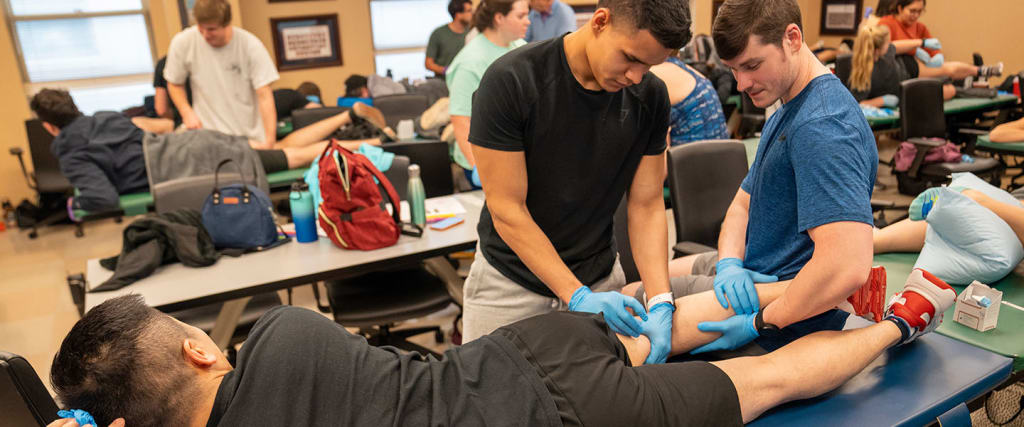
Physical Therapy (PT) is one of the fastest-growing and most rewarding fields in healthcare today. With a focus on helping people regain movement, reduce pain, and improve their quality of life, physical therapists play a vital role in rehabilitation and preventive care. As the demand for qualified physical therapists continues to rise, Physical Therapy programs—commonly referred to as PT programs—have become more prominent and competitive across the globe. These programs are designed to prepare students for the clinical, ethical, and emotional demands of working in the physical therapy profession.
Whether you’re a high school graduate interested in pursuing a healthcare career or a college student looking to specialize in physical therapy, understanding PT programs is the first step toward a dynamic and impactful career.
What Are PT Programs?
PT programs are academic and clinical education tracks that prepare students to become licensed physical therapists. In most countries, particularly in the United States, becoming a licensed physical therapist requires completing a Doctor of Physical Therapy (DPT) degree, followed by passing a national licensure exam. These programs combine in-depth coursework with hands-on clinical training to ensure that graduates are well-prepared to treat patients in real-world healthcare settings.
Typical PT programs include foundational courses in anatomy, physiology, kinesiology, neuroscience, and therapeutic techniques. As students advance, they move into more specialized areas such as orthopedics, geriatrics, pediatrics, and neurological rehabilitation. Clinical rotations are an essential part of PT education, giving students the opportunity to apply what they’ve learned in real-time under the supervision of licensed professionals.
Types of PT Programs Available
There are several types of PT programs depending on the level of education and the career path a student wants to pursue. Each type serves a unique purpose in the training and development of future therapists.
Entry-Level DPT Programs
The most common path for aspiring physical therapists is the Doctor of Physical Therapy (DPT) program. These are typically three-year graduate programs that accept students who have completed a bachelor’s degree, often with coursework in biology, chemistry, and other sciences. Entry-level DPT programs are designed to provide comprehensive knowledge and skills needed for independent clinical practice.
Bridge or Transitional DPT Programs
For licensed physical therapists who previously earned a bachelor’s or master’s degree in physical therapy, bridge or transitional DPT programs offer an opportunity to upgrade their credentials to the doctorate level. These programs are often shorter and may be offered online or in hybrid formats, allowing practicing professionals to continue working while earning their degree.
PTA to DPT Programs
Some PT programs offer pathways for licensed Physical Therapist Assistants (PTAs) to advance their education and become full physical therapists. These programs recognize prior clinical experience and may provide an accelerated curriculum to support professional advancement.
What Do Students Learn in a PT Program?
Students enrolled in PT programs receive a well-rounded education that combines classroom theory with hands-on experience. Some of the major subjects and areas covered in these programs include:
Human Anatomy and Physiology
Biomechanics and Kinesiology
Pathophysiology and Neurology
Therapeutic Exercise and Manual Therapy
Clinical Decision-Making and Patient Assessment
Ethics and Professional Conduct
Research Methodology and Evidence-Based Practice
In addition to academic training, students also undergo multiple clinical internships at hospitals, outpatient clinics, rehabilitation centers, and sports medicine facilities. These real-world experiences are crucial for building confidence, improving communication skills, and learning to work as part of a healthcare team.
Admission Requirements for PT Programs
Admission into PT programs, especially in the United States and Canada, can be competitive. Most programs require the following:
A bachelor’s degree with prerequisite courses (such as biology, chemistry, physics, and anatomy)
A minimum GPA (usually above 3.0)
GRE (Graduate Record Examination) scores for many schools
Letters of recommendation from professors or licensed physical therapists
Observation hours under a licensed PT (to show hands-on exposure to the field)
A personal statement outlining the applicant’s motivation and goals
International students may also need to demonstrate English proficiency through tests like TOEFL or IELTS.
Career Opportunities After Completing a PT Program
Graduating from a PT program opens the door to a wide variety of career opportunities in both clinical and non-clinical settings. Physical therapists can work in:
Hospitals and trauma centers
Private outpatient clinics
Sports and athletic rehabilitation facilities
Home health care services
Schools and pediatric centers
Nursing homes and assisted living communities
Research and academic institutions
Additionally, some PTs choose to specialize in areas such as sports medicine, orthopedics, neurology, women’s health, or cardiopulmonary therapy. With experience, many physical therapists also move into management roles, open private practices, or teach at universities.
The Growing Demand for Physical Therapists
One of the reasons PT programs are so important today is the rising demand for physical therapists. An aging population, increasing rates of chronic illness, and a growing focus on wellness and injury prevention have led to a surge in demand for skilled physical therapy professionals.
According to the U.S. Bureau of Labor Statistics, employment of physical therapists is expected to grow much faster than the average for all occupations over the next decade. This strong job outlook means that graduates of PT programs are likely to find rewarding employment opportunities shortly after licensure.
Conclusion
PT programs play a critical role in preparing future physical therapists to meet the complex and evolving needs of patients in a variety of healthcare settings. These programs are rigorous, demanding, and deeply rewarding, providing students with the skills, knowledge, and confidence to transform lives through movement and recovery.
Whether you’re passionate about helping people walk again after surgery, improve their athletic performance, or manage chronic pain without medication, a career in physical therapy can be incredibly fulfilling. Enrolling in a PT program is the first step toward making that dream a reality and contributing meaningfully to the health and well-being of others.
About the Creator
Keep reading
More stories from Malik Arshad and writers in 01 and other communities.
BlackCat Money: A New Era in Decentralized Digital Finance
Introduction to BlackCat Money In the ever-evolving digital finance landscape, BlackCat Money is gaining attention as an emerging concept or platform. While not as widely recognized as traditional cryptocurrencies or financial services, BlackCat Money represents a new form of decentralized digital finance. Whether it's a brand, token, or system connected to blockchain technology or online transactions, it brings with it a unique approach to how users store, transfer, or utilize money online.
By Malik Arshad7 months ago in 01
Native vs Cross Platform Mobile App Development in 2026
Google has officially decoupled app visibility from traditional indexing and moved toward a model of Authority Validation through neural weightings. This tectonic shift means your choice of development framework now serves as a primary signal for Entity Accountability.
By Devin Rosarioa day ago in 01




Comments (1)
PT programs sound promising. I know someone who went through one and it changed their career.