
Preparing Emulsified Asphalt for Effective Rural Roads Repair
how to accurately control the emulsification parameters through asphalt emulsification equipment based on the damage of rural roads?


Emulsified asphalt is primarily utilized for small-scale operations like crack sealing and pothole filling in rural roads repair. The effectiveness of these repairs hinges on the correct adjustment of the type and concentration of emulsified asphalt based on the specific damage characteristics, such as crack width and pothole depth. This necessitates a flexible adjustment capability in asphalt emulsification equipment. This article discusses how to accurately control emulsification parameters to ensure the production of suitable emulsified asphalt for various repair scenarios, ultimately enhancing the longevity and quality of rural road repairs.

Understanding Emulsified Asphalt Types and Concentrations
Before any repair operation, it is essential to recognize that different types of emulsified asphalt offer varying properties. Slow-cracking fast-setting emulsions are ideal for certain conditions, while fast-cracking fast-setting emulsions might be more suitable for others. The choice between these types depends on the specific damage observed in rural roads, such as the severity and nature of cracks or potholes.
Determining the appropriate concentration of emulsified asphalt is equally crucial. The concentration must align with the extent of road damage, as insufficient concentration can lead to premature peeling or water seepage, ultimately compromising the repair's integrity. Therefore, a thorough understanding of the required properties of emulsified asphalt is essential for successful rural roads repair.

Conducting On-Site Investigations
To prepare the right emulsified asphalt for repairs, conducting on-site investigations is vital. This involves assessing the distribution of cracks and the sizes of potholes to gather critical data that informs the emulsification parameters. By measuring crack widths and pothole depths, repair teams can determine the necessary type and concentration of emulsified asphalt.
These investigations also help identify any underlying issues that could affect the repair process, such as soil conditions or drainage problems. Having this information allows for a tailored approach when using asphalt emulsification equipment, ensuring that the prepared asphalt meets the unique needs of each repair scenario.

Controlling Emulsification Parameters
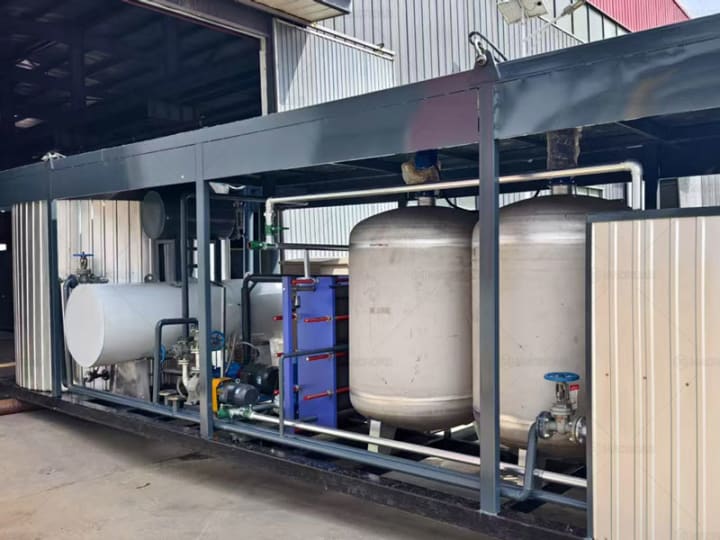
Once on-site assessments are complete, controlling the emulsification parameters becomes the next critical step. This involves adjusting the ratio of asphalt to water and the amount of emulsifier added based on the findings from the investigations. Properly calibrated asphalt emulsification equipment will allow for precise adjustments to these parameters, ensuring that the emulsified asphalt produced is suitable for the identified damage.
For instance, a wider crack may require a different emulsified asphalt formulation than a shallow pothole. By fine-tuning these parameters, repair teams can create emulsified asphalt that adheres effectively to the road surface, reducing the risk of early peeling and water seepage, which can significantly affect the service life of the road.
Ensuring Quality and Longevity of Repairs
The ultimate goal of using asphalt emulsification equipment in rural roads repair is to ensure that the repairs are durable and long-lasting. Properly prepared emulsified asphalt can withstand environmental conditions and the stresses of traffic, preventing the common issues associated with poor-quality repairs.
By focusing on accurate emulsification parameters and understanding the specific needs of each repair project, road maintenance teams can significantly enhance the quality of their work. This proactive approach minimizes the risk of future repairs, ultimately saving time and resources while ensuring safer and more resilient rural roads.

Conclusion: Effective Strategies for Asphalt Repairs
In conclusion, preparing emulsified asphalt for rural roads repair requires a nuanced understanding of the types and concentrations needed based on damage characteristics. Through on-site investigations and precise control of emulsification parameters using asphalt emulsification equipment, repair teams can produce high-quality emulsified asphalt tailored to specific scenarios. This attention to detail not only enhances repair effectiveness but also contributes to the long-term durability of rural roads, ensuring they remain safe and functional for all users.
About the Creator
Macroad Asphalt Plant
Macroad, a global leading manufacturer in asphalt mixing plants, offers a wide range of specifications to meet diverse project needs. Its high-quality, efficient equipment is widely applied in road construction.
Keep reading
More stories from Macroad Asphalt Plant and writers in 01 and other communities.
Balancing Mobility and Production Stability in Asphalt Plant Design
Mobile asphalt plant manufacturers face the unique challenge of balancing mobility and production stability in their equipment. In contrast, asphalt batching plant manufacturers prioritize batching accuracy and production efficiency. When designing core components, such as foldable frames for mobile plants and metering modules for batching plants, both types of manufacturers must optimize their structural designs based on the different application scenarios their products serve. This article explores how these manufacturers can ensure their products meet core functional needs while avoiding poor user experiences stemming from over-design or missing functionalities.
By Macroad Asphalt Plant4 months ago in 01



Comments
There are no comments for this story
Be the first to respond and start the conversation.