

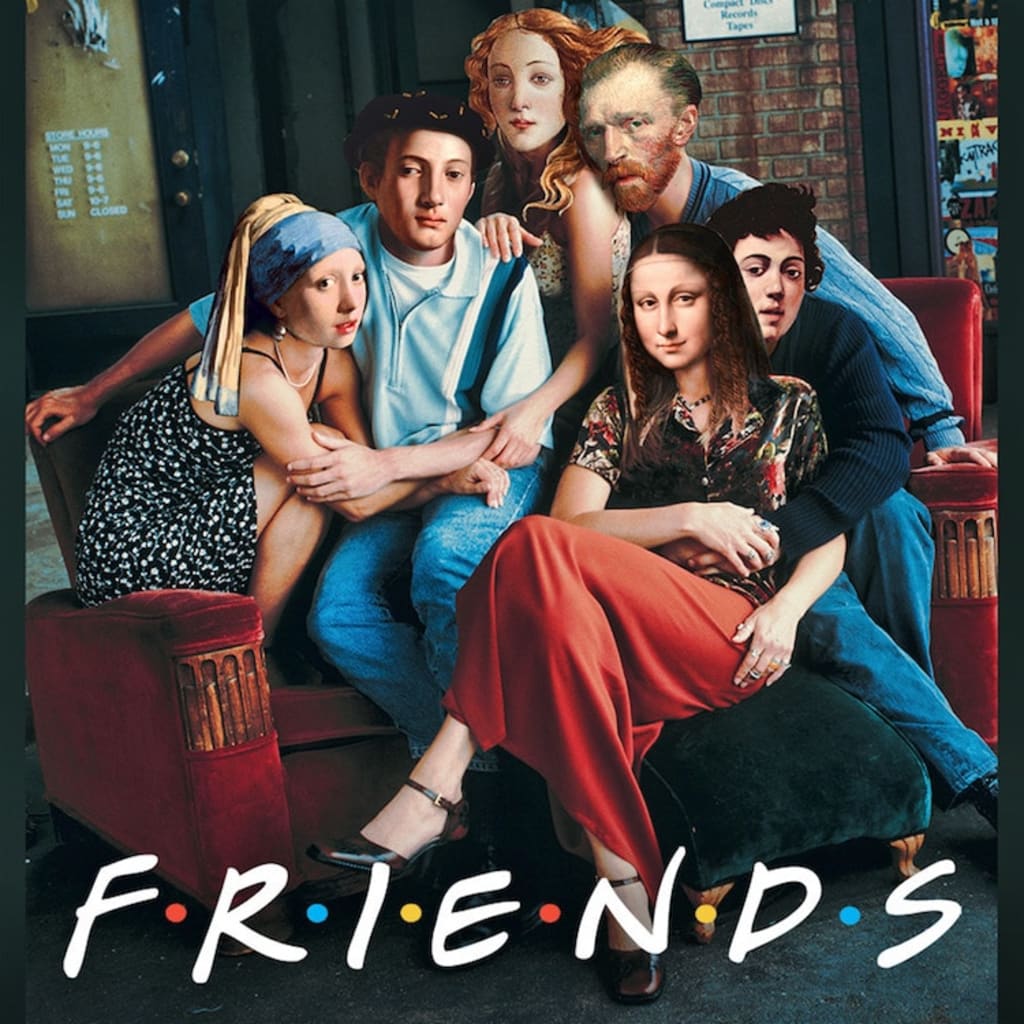
Pop culture, short for popular culture, refers to the cultural elements that are commonly embraced by a wide and diverse audience. It encompasses a broad range of media, including music, movies, television shows, books, magazines, fashion, and even social media. Pop culture is constantly evolving and is often influenced by the latest trends and technology.
Pop culture is characterized by its widespread appeal and accessibility. It often reflects the tastes, interests, and values of the mainstream society. As such, it can be a reflection of the dominant attitudes and beliefs of a particular time and place. For example, pop culture in the United States in the 1950s was marked by the rise of rock and roll music, the emergence of television as a dominant form of entertainment, and the rise of consumerism as a cultural value.
One of the defining features of pop culture is its ability to shape and influence society. Pop culture can shape attitudes, behaviors, and beliefs in a variety of ways. For example, it can influence fashion trends, create new social norms, and even inspire political and social movements. Pop culture can also serve as a form of escapism, allowing people to temporarily forget about their daily worries and immerse themselves in a different world.
Music is perhaps the most popular form of pop culture. It has the ability to unite people from all walks of life and can evoke strong emotions and memories. Music genres such as rock, hip-hop, and pop have all had a significant impact on the culture of the past several decades. For example, hip-hop music has been credited with helping to empower marginalized communities and promoting social justice causes.
Movies and television shows are also important forms of pop culture. They have the ability to bring people together and can have a lasting impact on society. Many classic movies and television shows have become cultural touchstones and are often referenced in everyday conversations. For example, the 1980s movie "The Breakfast Club" has become a cultural icon, with its characters and themes often referenced in popular media.
Social media has become an increasingly important part of pop culture in recent years. Platforms such as Twitter, Facebook, and Instagram have allowed individuals to connect with others and share their thoughts and experiences in real-time. Social media has also given rise to a new breed of pop culture influencers, who have amassed large followings and have significant influence over their followers.
Fashion is another important aspect of pop culture. It is often influenced by popular celebrities and trends, and can be a form of self-expression for many people. The fashion industry has a significant impact on the global economy, with many major brands and designers having a significant influence on the culture of the day.
Despite its widespread appeal, pop culture is not without its critics. Some argue that it can be shallow and devoid of substance, and that it promotes unrealistic expectations and values. Others argue that it can be harmful, particularly when it promotes negative stereotypes or perpetuates harmful social norms.
In conclusion, pop culture is a dynamic and ever-changing phenomenon that plays an important role in shaping and reflecting the values and beliefs of society. While it is often criticized for being shallow or promoting negative values, it is undeniable that it has had a significant impact on society over the years. As the world continues to change and evolve, pop culture will continue to be an important part of our lives and an enduring aspect of our shared cultural heritage.
One of the best things about pop culture is its ability to bring people together and create a sense of community. Pop culture can be a shared experience that allows people from different backgrounds and perspectives to come together and find common ground. It can create a sense of belonging and help individuals connect with others who share their interests and values.
Pop culture can also be a form of self-expression and can allow individuals to explore and express their own identities. Fashion, music, and other forms of pop culture can be a way for people to communicate who they are to the world and find others who share their perspectives.
Another benefit of pop culture is its ability to inspire creativity and imagination. Popular books, movies, and television shows can spark the imagination and inspire individuals to create their own works of art or stories. Many famous artists and writers have been inspired by popular culture, and have used it as a starting point to create something unique and new.
Finally, pop culture can also serve as a form of escapism. In a world that can often feel overwhelming and stressful, pop culture can offer a temporary respite from the challenges of daily life. Music, movies, and other forms of pop culture can provide a much-needed break and help individuals recharge their batteries before returning to their daily routine.
In summary, pop culture offers a range of benefits that can enrich people's lives and bring them together. Whether it's creating a sense of community, inspiring creativity, or providing a temporary escape, pop culture has the ability to touch people's lives in meaningful ways. While it's not without its flaws, pop culture continues to be an important part of our shared cultural heritage and an enduring aspect of modern society.
About the Creator
Kobra
"Enter the dark and twisted world of the unknown I lead you through the shadows on a journey into the depths of the unknown."
"Uncovering darkness"
How a Startup Built a Crypto Exchange in Just 30 Days (A Detailed Breakdown)
Launching a crypto exchange is often perceived as a long and technically demanding process. From regulatory considerations to liquidity integration and platform security, the journey appears complex and time-intensive. However, with the right strategy, structured planning, and access to ready-made technological infrastructure, a startup can significantly reduce development time. This detailed breakdown explains how a startup successfully built and launched a crypto exchange in just 30 days.
By smithtaylor6 days ago in 01




Comments
There are no comments for this story
Be the first to respond and start the conversation.