
Peacock Cichlids: A Complete Guide to Their Types, Care, and Habitat
This comprehensive guide will walk you through everything you need to know about these magnificent creatures, from their diverse types and proper care to creating the perfect habitat.
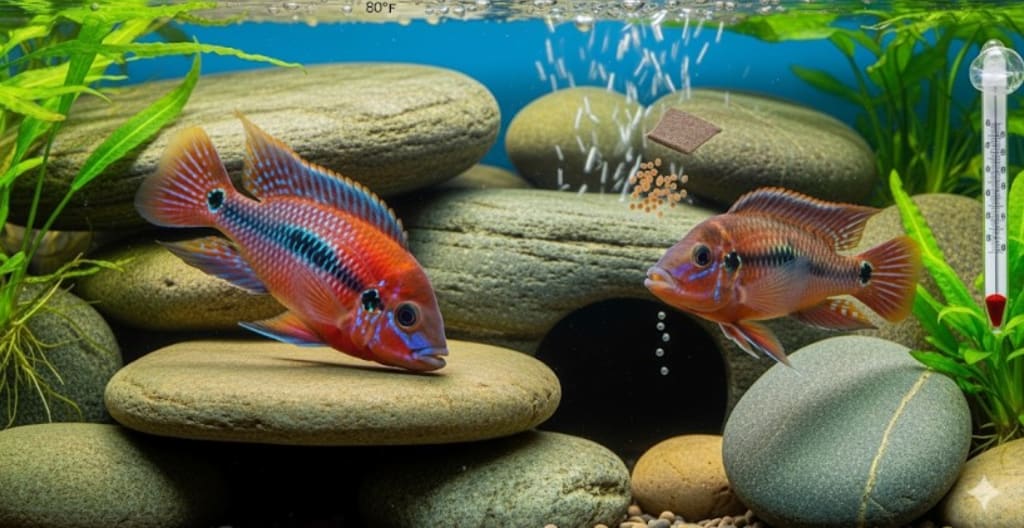
For anyone looking to add a splash of vibrant color and dynamic personality to their freshwater aquarium, few fish can compete with the stunning Peacock Cichlids. These captivating fish, native to Lake Malawi in Africa, are renowned for their brilliant, iridescent hues and active, engaging behavior.
They are a favorite among both beginner and experienced aquarists, offering a rewarding experience for those willing to provide the right environment.
This comprehensive guide will walk you through everything you need to know about these magnificent creatures, from their diverse types and proper care to creating the perfect habitat.
What Are Peacock Cichlids and Why Are They So Popular?
Peacock Cichlids, scientifically known as Aulonocara, are a genus of cichlids originating from the sandy shores and rocky areas of Lake Malawi. Their popularity stems directly from their breathtaking appearance. Males, in particular, display a dazzling array of colors, including deep blues, fiery reds, vibrant yellows, and electric oranges, often with metallic sheens. These fish are relatively peaceful compared to many other cichlid species, making them suitable for community tanks with other semi-aggressive or docile fish. Their manageable size and relatively easy care requirements further contribute to their widespread appeal.
Exploring the Dazzling Types of Peacock Cichlids
The world of Peacock Cichlids is incredibly diverse, with many naturally occurring species and selectively bred strains, each with its unique color palette. Understanding the different types is key to planning your aquarium and creating a harmonious tank.
Natural Species vs. Hybrid Strains
While many Peacock Cichlids found in the aquarium trade are hybrids, some of the most sought-after are natural species. The most common are:
Blue Regal Peacock (Aulonocara stuartgranti): Known for its deep blue body and vibrant yellow or orange highlights on the fins.
Sunshine Peacock (Aulonocara stuartgranti 'Chipoka'): Features a striking yellow body with a brilliant orange face.
Red Peacock (Aulonocara rubescens): A popular hybrid known for its intense, fiery red or orange coloration.
OB Peacock (Orange Blotch): A unique hybrid with splotches of orange, black, and blue on a pale background, resembling a calico cat.
When choosing your fish, consider their adult size and temperament. While many are similar, slight variations in aggression levels can occur. For the best compatibility, it’s often recommended to keep different types of peacock cichlids fish together rather than mixing them with more aggressive African cichlids.
The Ideal Habitat: Creating the Perfect Home for Your Peacock Cichlids
To ensure your Peacock Cichlids thrive, replicating their natural environment is crucial. This involves careful consideration of tank size, water parameters, and tank decorations.
Tank Size and Setup
A minimum tank size of 40 gallons is recommended for a small group of Peacock Cichlids, but a 55-gallon or larger tank is ideal. This provides enough swimming space and helps to dilute waste, maintaining stable water conditions. The tank should have a sandy substrate, as these fish enjoy sifting through the sand for food. Include plenty of rock caves and crevices to provide hiding spots and territories, which is essential for reducing aggression.
Water Parameters
Maintaining stable water conditions is paramount. Peacock Cichlids hail from Lake Malawi, which has hard, alkaline water. Aim for the following parameters:
pH: 7.8 - 8.6
Temperature: 76°F - 82°F (24°C - 28°C)
Hardness (GH): 10 - 15 dGH
Regular water changes (25-30% weekly) are necessary to keep nitrates low and the water pristine. A high-quality filter is non-negotiable, and an air stone can help with aeration.
Peacock Cichlids Care and Feeding
Feeding your Peacock Cichlids is straightforward, but it's important to provide a balanced diet. They are primarily carnivores in the wild, feeding on small invertebrates found in the sand.
Dietary Needs
A high-quality cichlid pellet or flake food should form the bulk of their diet. Supplement this with frozen or live foods like Mysis shrimp, brine shrimp, and bloodworms to provide essential nutrients and variety. Feed small amounts 2-3 times a day to avoid overfeeding and water pollution. Be mindful not to feed them too much protein, as this can lead to Malawi Bloat, a common and often fatal illness in African cichlids.
Tank Mates
While generally peaceful, Peacock Cichlids can be territorial, especially males. It's best to house them with other peaceful to semi-aggressive cichlids from Lake Malawi, such as other Aulonocara species, or certain species of mbuna (with caution). Avoid mixing them with highly aggressive or very docile species. A good rule of thumb is to maintain a ratio of one male to two or three females to help spread out aggression.
Conclusion: A Rewarding Experience with Peacock Cichlids
Bringing Peacock Cichlids into your home aquarium is a truly rewarding experience. Their vibrant colors, lively personalities, and active swimming habits make them a centerpiece in any setup. By understanding their unique needs regarding habitat, diet, and tank mates, you can ensure your fish not only survive but truly thrive. Creating an environment that mirrors their natural Lake Malawi home is the key to unlocking the full potential of these amazing fish. With proper care, these stunning Peacock Cichlids will provide years of beauty and enjoyment, transforming your tank into a living work of art.
Frequently Asked Questions (FAQs)
Q1: How big do Peacock Cichlids get?
A1: Most species of Peacock Cichlids grow to be about 4 to 6 inches long (10-15 cm) in a home aquarium. Males are typically slightly larger and more colorful than females.
Q2: Are Peacock Cichlids aggressive?
A2: Compared to other African cichlids, Peacock Cichlids are considered semi-aggressive. Males can be territorial, especially towards other males of the same species or similar appearance. Providing ample hiding spots and maintaining a good male-to-female ratio can help minimize aggression.
Q3: Can I keep different types of Peacock Cichlids together?
A3: Yes, you can. It's often recommended to keep different species of Peacock Cichlids together to reduce the risk of hybridization and male aggression. However, be cautious when introducing males of similar colors, as they may view each other as rivals.
Q4: How can I tell the difference between a male and a female Peacock Cichlid?
A4: The most reliable way to sex a Peacock Cichlid is by its coloration. Males are the ones with the vibrant, iridescent colors. Females, in contrast, are typically duller, with a silvery-gray or brownish coloration, sometimes with faint stripes.
Q5: What is "Malawi Bloat," and how can I prevent it?
A5: Malawi Bloat is a digestive issue common in African cichlids caused by an improper diet. It is often triggered by feeding too much plant-based food or an imbalanced diet. To prevent it, feed a high-quality, protein-rich cichlid pellet or flake, and limit plant matter. Always offer a varied diet to ensure they get the nutrients they need without over-stressing their digestive system.
About the Creator
Keep reading
More stories from Narmeen Dastgeer and writers in 01 and other communities.
The Impact of Surgical Scissors on Procedure Efficiency and Precision
In an operating room, every second counts. Surgeons depend on precision instruments to make procedures smooth and safe, and one of the most important is the surgical scissors. While they may seem simple, these instruments are far from ordinary.
By Narmeen Dastgeer5 months ago in 01
Sergey Brin Becomes World’s No. 3 Richest—Overtakes Jeff Bezos, Larry Ellison After Alphabet Hits $4 Trillion
Topline Sergey Brin leapfrogged Oracle’s Larry Ellison and Amazon’s Jeff Bezos on Tuesday to become the world’s third-richest person, ranking again behind fellow Google cofounder Larry Page as parent firm Alphabet stock rallied to its latest milestone.
By Dena Falken Esq2 days ago in 01
Understanding the Cultural Importance of Handbags
Handbags have played a meaningful role in fashion and daily life for centuries. Historically, handbags were created out of necessity, designed to help people carry personal belongings such as money, tools, or documents. Over time, they evolved into carefully designed accessories that combine practicality with aesthetics. Today, handbags are widely recognized as symbols of personal style, social identity, and changing fashion values.
By charliesamuel4 days ago in 01




Comments
There are no comments for this story
Be the first to respond and start the conversation.