
Optimizing Mini Asphalt Plants for Transportation in the Philippines
How to optimize the equipment's transportation and installation design to ensure that the equipment can adapt to local environment?


The Philippines, with its numerous islands, presents a unique challenge for road construction, particularly in rural areas. The demand for reliable road maintenance and new construction is high, making it essential for local asphalt plants to adapt effectively. By equipping these plants with mini asphalt plants, the logistics of transportation and installation can be optimized. This article explores how to enhance the design of mini asphalt plants to facilitate transportation by small ships and ensure quick setup for rural construction projects.
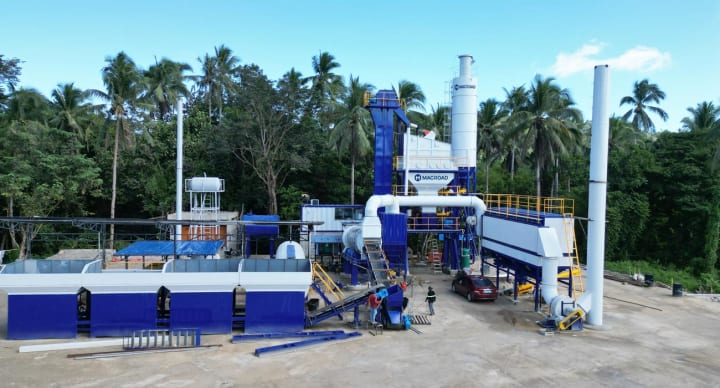
Understanding the Challenges of Island Logistics
Transporting equipment between the islands of the Philippines poses significant logistical challenges. Mini asphalt plants must be designed to meet the demands of shipping on smaller vessels while accommodating the simpler infrastructure often found in rural construction sites. These factors necessitate innovative design solutions that prioritize mobility and ease of installation.
To ensure that asphalt plant in the Philippines can be effectively transported and set up in various locations, the equipment must be lightweight and modular. This approach will enable quick assembly and disassembly, allowing for greater flexibility in responding to the scattered needs of road construction across the islands.

Utilizing Lightweight Detachable Components
One of the key strategies for optimizing mini asphalt plants is to incorporate lightweight detachable components. By designing equipment that can be easily disassembled into smaller, manageable parts, transport becomes significantly more feasible. Lightweight materials can reduce the overall weight of the equipment, making it suitable for small ship transportation.
Detachable components also streamline the loading and unloading process, minimizing the time required to prepare the plant for transport. This efficiency is crucial for maintaining operational timelines, especially in remote areas where construction windows can be limited. By prioritizing lightweight and modular designs, asphalt plants in the Philippines can enhance their logistical capabilities.

Simplifying Foundation Requirements
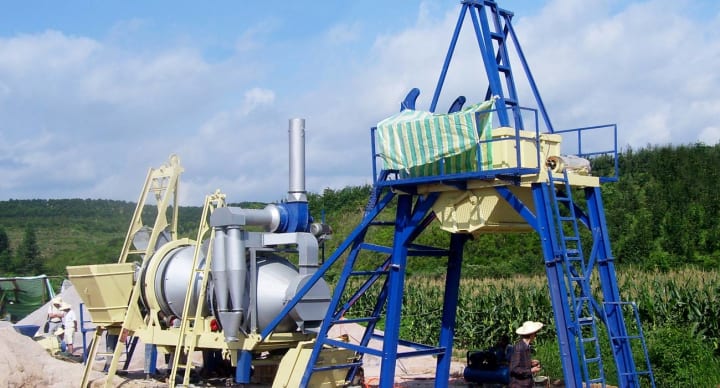
In addition to lightweight components, simplifying foundation requirements is essential for the quick installation of mini asphalt plants. Many rural construction sites may lack the infrastructure necessary to support heavy equipment. Therefore, designing mini asphalt plants that can operate on minimal or even portable foundations can significantly expedite the setup process.
This approach allows for the rapid deployment of the asphalt plant in various locations without the need for extensive groundwork. By ensuring that the equipment can be placed on flat, stable surfaces without complex foundation requirements, operators can quickly initiate production, meeting the urgent needs of road maintenance and new construction.
Ensuring Quick Setup and Production
For mini asphalt plants to be effective in rural areas, they must be designed for rapid setup and production. This involves not only the physical design of the equipment but also the operational processes. Streamlined assembly instructions and intuitive design can facilitate quick installation, allowing teams to get the plant up and running in a short time frame.
Additionally, training local operators on efficient setup procedures can further enhance productivity. By equipping teams with the knowledge to quickly assemble and deploy mini asphalt plants, the overall efficiency of road construction projects can be significantly improved, ensuring that they meet local demands effectively.
Conclusion: Enhancing Road Construction in the Philippines
Optimizing mini asphalt plants for transportation and installation in the Philippines is crucial for addressing the strong demand for rural road construction. By utilizing lightweight detachable components and simplifying foundation requirements, local asphalt plants can enhance their logistical capabilities and ensure quick deployment in remote areas.
This strategic approach not only facilitates effective road maintenance and new construction but also supports the broader goal of improving infrastructure across the islands. By focusing on these design optimizations, asphalt plants in the Philippines can better serve the needs of their communities and contribute to the nation's development.
About the Creator
Macroad Asphalt Plant
Macroad, a global leading manufacturer in asphalt mixing plants, offers a wide range of specifications to meet diverse project needs. Its high-quality, efficient equipment is widely applied in road construction.
Keep reading
More stories from Macroad Asphalt Plant and writers in 01 and other communities.
Optimizing Asphalt Distributor Performance for Municipal Roads Construction
In municipal roads construction, the performance of asphalt distributors is critical for ensuring quality pavement. Accurately controlling the amount and uniformity of asphalt spraying is essential, especially in complex road conditions such as narrow streets and crowded sections. This article explores how to optimize equipment performance—through adjustable spraying width and intelligent flow control systems—to avoid issues like insufficient pavement adhesion and material waste, while meeting the flexible operational needs of municipal construction.
By Macroad Asphalt Plant6 months ago in 01
How to Fix 400 Bad Request Error Fast (3 Simple Steps)
Ever hit a sudden bad page and wondered why your browser can't talk to the site? A 400 malformed request error happens when the server refuses a client-side input it can’t parse. In plain terms, your browser sent a broken or corrupted request that the site could not understand.
By Majed Alzhraniabout 16 hours ago in 01
Mastering MAP Monitoring for Sustainable Online Brand Growth
A single discounted listing can unravel a carefully built pricing strategy almost overnight. When one reseller drops below the agreed MAP level, others quickly follow, and margins begin to compress across marketplaces before anyone has time to react. This chain reaction is entirely preventable.
By Swiftproxy7 days ago in 01
I was in a Toxic Relationship, with my Workplace
“You got that?” My ex yelled. His hands were balled into fists at his side. At six foot three, he towered over me. A normal person would have been afraid, but I looked up a video of George Lopez repeatedly saying, “I got this,” and showed it to him. I had grown used to this treatment, so much so that I didn’t blink when he ripped the phone from my hand and threw it across the room.
By Jade M.7 days ago in Confessions




Comments
There are no comments for this story
Be the first to respond and start the conversation.