
Oarfish Rising
The Eerie Reason These Deep-Sea Giants Are Coming to the Surface

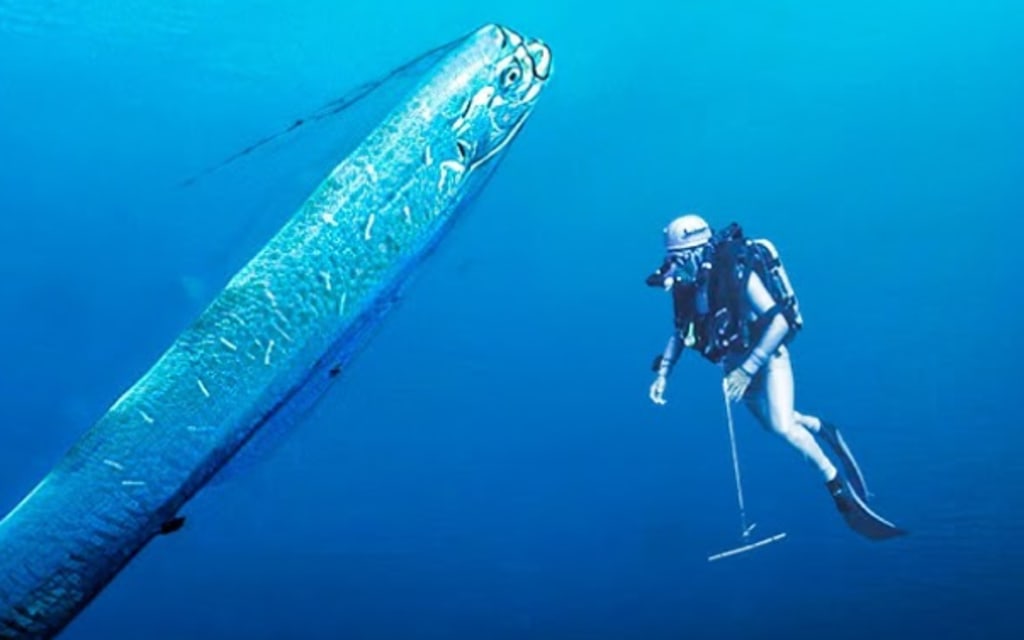
Imagine strolling along the shore only to come across a massive, ribbon-like creature stretching several feet long. Its silver body glistens in the sunlight, its red mane-like fins flowing eerily. This isn't a scene from a sci-fi movie—it’s a real-life mystery that has puzzled scientists and ocean lovers alike. The deep-sea-dwelling oarfish, often called a "sea serpent," has been making more frequent appearances near the surface. But why? Let’s dive into this oceanic enigma.
What Are Oarfish?
Physical Characteristics
Oarfish are among the longest bony fish in the ocean, reaching lengths of up to 56 feet. Their elongated, ribbon-like bodies and undulating movements have fueled myths of sea monsters for centuries. With their striking silver scales and bright red fins, they are one of the most distinctive deep-sea creatures.
Habitat and Behavior
Typically residing in ocean depths of 600 to 3,300 feet, oarfish are rarely seen alive in their natural environment. They are solitary creatures that drift along ocean currents, feeding on small fish, plankton, and crustaceans. Due to their deep-sea habitat, much about their behavior remains a mystery.
The Recent Surge in Oarfish Sightings
Global Sightings and Reports
Over the past decade, reports of oarfish washing up on beaches or swimming near the surface have increased worldwide. From Japan to the United States, people have captured photos and videos of these deep-sea creatures in places where they are rarely observed.
Historical Encounters with Oarfish
Throughout history, oarfish have been linked to folklore and superstition. Ancient sailors believed these creatures were harbingers of storms or even omens of disaster. Some cultures still view their sudden appearances as warnings of impending earthquakes or tsunamis.
Why Are Oarfish Suddenly Coming to the Surface?
Environmental Changes
Climate change has been altering ocean temperatures, currents, and oxygen levels. These factors could be disrupting oarfish habitats, forcing them closer to the surface in search of suitable living conditions.
Earthquake Connection Theory
One of the most intriguing theories is the link between oarfish and seismic activity. Some scientists speculate that these deep-sea creatures can sense shifts in the Earth’s crust, prompting them to rise before an earthquake. While studies are inconclusive, past instances of oarfish appearing before major earthquakes have fueled this belief.
Disease and Weakness
Oarfish washing up on shores may be a result of sickness or injury. Pollution, toxic algae blooms, and infections could be affecting their health, causing them to venture into shallower waters where they are more likely to be spotted.
Predators and Food Shortages
Disruptions in the marine food chain, possibly due to overfishing or climate change, could be making it harder for oarfish to find food. When struggling to survive, they might drift into unfamiliar territories, leading to more sightings.
Scientific Explanations vs. Superstitions
Scientific Studies on Oarfish Behavior
Marine biologists continue to study oarfish behavior, but their deep-sea lifestyle makes research difficult. Some experts believe their surfacing is purely coincidental rather than a sign of impending doom.
Cultural and Mythological Interpretations
Despite scientific explanations, many cultures hold onto the belief that oarfish sightings signal disasters. In Japan, the oarfish is called "Ryugu no tsukai" (Messenger from the Sea God's Palace) and is considered an omen of earthquakes.
What This Means for Marine Life
Signs of Ecosystem Imbalance
Unusual appearances of deep-sea creatures can be a red flag for ocean health. Changes in temperature, pollution levels, and habitat destruction may be affecting marine life in ways we are only beginning to understand.
The Need for Conservation Efforts
Protecting deep-sea environments is crucial for maintaining biodiversity. By studying creatures like the oarfish, scientists can gain insight into oceanic changes and work toward conservation efforts.
Conclusion
The sudden rise in oarfish sightings has sparked both curiosity and concern. Are these deep-sea giants messengers of natural disasters, or are they merely victims of a changing ocean? While the mystery remains unsolved, one thing is certain—our oceans are undergoing significant changes, and we must pay attention to the signs. Whether legend or science, the oarfish continues to captivate and mystify those who encounter it.
FAQs
1. Do oarfish predict earthquakes?There is no scientific proof that oarfish can predict earthquakes, but their deep-sea habitat makes some believe they sense seismic activity.
2. Why do oarfish look like sea serpents?Their long, ribbon-like bodies and undulating swimming motion resemble legendary sea monsters, which is why they have inspired many myths.
3. Are oarfish dangerous to humans?No, oarfish are harmless to humans. They have no teeth and primarily feed on plankton and small marine creatures.
4. What is the largest oarfish ever recorded?The longest recorded oarfish was about 56 feet long, making it the longest bony fish known to exist.
5. Can oarfish survive in captivity?Oarfish do not survive long in captivity because they require deep-sea conditions that are difficult to replicate.
About the Creator
Apleetech
Apleetech is a Professional Technology Platform. Here we will provide you only interesting content, which you will like very much. We're dedicated to providing you with the best of Technology, with a focus on dependability and Tech.
How to Choose a Web Design Agency for Long-Term Product Growth
If you are looking at a site like a catalog of past work and thinking about hiring a web design agency for B2B and product teams, you are probably already past the phase where “making it look good” is the main problem.
By Valeriia Shulga3 days ago in 01
Handbags and the Ongoing Discussion Around Replica Designer Bags
Handbags are among the most enduring accessories in human history. Originally created for practical storage, they gradually evolved into objects that combine utility, craftsmanship, and visual identity. Historical records show that handbags have been used across cultures to carry personal items, currency, and tools, adapting their form as materials and lifestyles changed. Today, handbags sit at the intersection of fashion, economics, and personal expression.
By charliesamuel6 days ago in 01
Miss Persephone's Manual to a Seemingly Ordinary Life
Miss Persephone was found at the dining table, her blue eyes swollen, her tears arriving and retreating like the tides of the ocean. Earlier that day, her family had visited her in the retirement home where she had lived for eight years. It was her eightieth birthday.
By Imola Tótha day ago in Fiction




Comments
There are no comments for this story
Be the first to respond and start the conversation.