
Navigating the Market: How to Choose the Best-Priced Mobile Batching Plant
How to Choose the Best-Priced Mobile Batching Plant
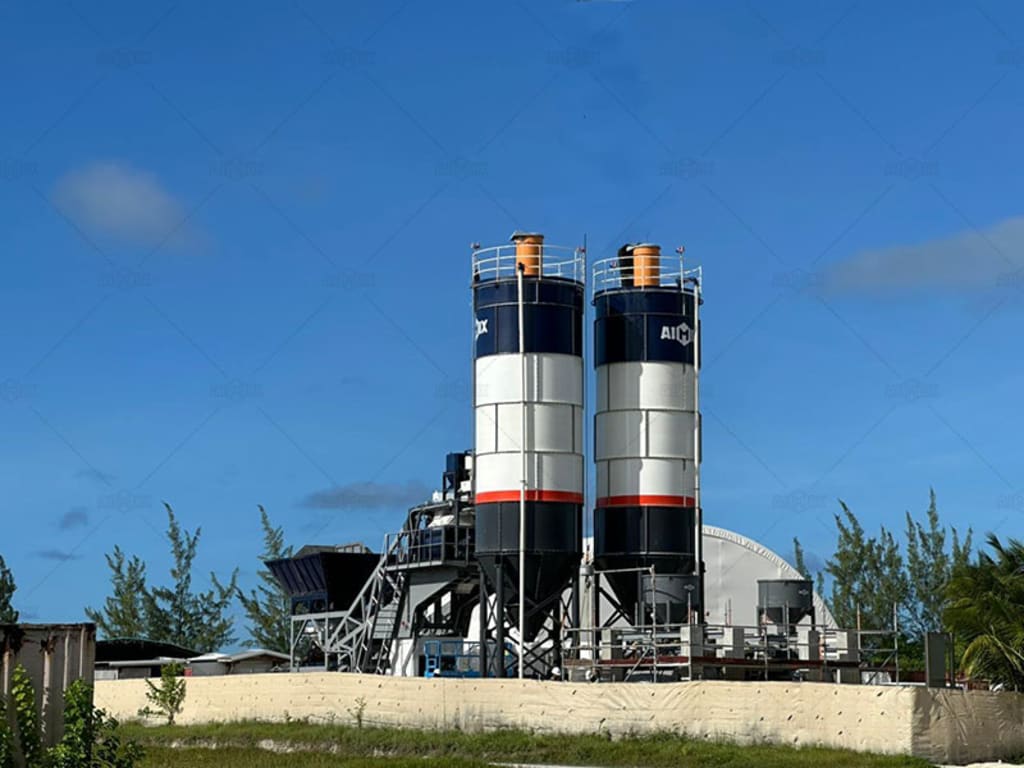
The procurement of a mobile batching plant is a significant capital decision with direct implications for project viability and business profitability. In a crowded market with wide concrete batching plant price disparities, the term "best-priced" is frequently misconstrued as synonymous with "lowest initial cost." This is a critical error. The optimal price represents the most favorable intersection of capital expenditure, operational efficiency, long-term reliability, and residual value. Navigating this market requires a disciplined analytical framework that moves beyond brochure specifications to evaluate the total economic impact of the asset over its usable life. The goal is not to find the cheapest plant, but to identify the machine that delivers the lowest cost per cubic meter of in-spec concrete produced in your specific operating conditions.
Defining the True Cost Framework: Beyond the Initial Purchase Price
The initial invoice is merely the first entry in a much longer ledger. A rigorous analysis must calculate the Total Cost of Ownership (TCO). This encompasses all predictable expenses over a defined period, typically five to seven years. Key operational costs include fuel consumption per batch, which varies significantly based on the efficiency of the hydraulic and mixing systems. Wear parts constitute another major variable; a plant with lighter-gauge mixing blades or lower-quality liners will require more frequent and costly replacements. Maintenance complexity is a hidden expense. A design with accessible components, standardized bearings, and a logical service layout reduces downtime and labor costs.
Furthermore, the stated capacity of a plant is often a theoretical maximum under ideal conditions. The best-priced plant is one whose realistic, sustained throughput most closely matches your daily demand. An oversized plant operates inefficiently at partial load, wasting fuel and capital. An undersized plant creates project delays and forces expensive overtime. Evaluating throughput requires understanding cycle time—the minutes to complete a full batch from weighing to discharge—not just mixer volume. A plant with a 1.5 cubic meter mixer that completes 40 cycles per hour delivers more actual concrete than a 2 cubic meter plant managing only 25 cycles due to slower weighing or discharge mechanisms. Efficiency, not just size, determines true productive capacity and cost per unit.
Technical Specifications and Build Integrity: The Foundation of Value
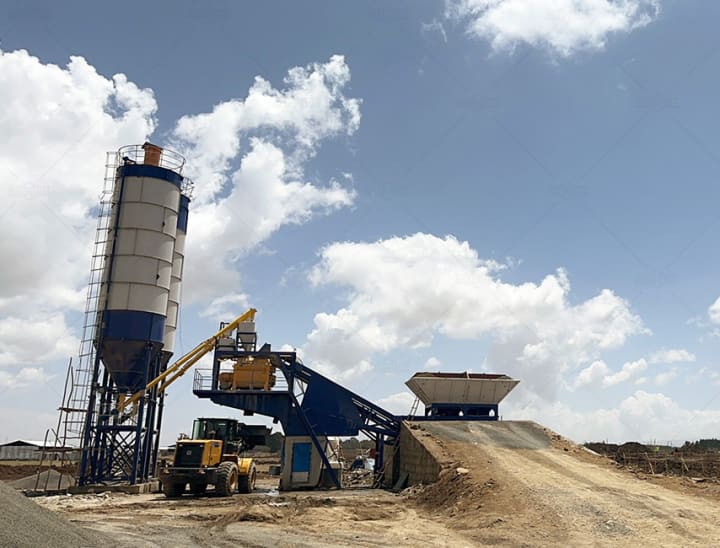
The divergence in price between models is directly correlated to the quality of materials and engineering. A superficial inspection is insufficient. Assess the structural integrity of the chassis and batching frame. Heavy-duty, welded I-beam construction resists the constant stress of vibration and dynamic loading, while lighter, bolted designs may succumb to metal fatigue and misalignment. Examine the mixing system. The drum's steel grade, blade design, and drive motor specifications dictate mix homogeneity, energy use, and longevity. A robust planetary gearbox, though costlier initially, offers greater reliability and torque than a simpler chain or belt drive susceptible to slippage and failure.
The level of automation in the control system is a major differentiator with a direct payback. Basic manual systems rely on operator judgment for water addition, inviting inconsistency. A ready mix plant with automated aggregate and cement weighing, integrated moisture sensors for real-time water compensation, and digital recipe management ensures batch-to-batch precision. This reduces material waste from over-batching expensive cement and guarantees concrete strength compliance, protecting against the catastrophic cost of failed structural tests. This automation is not a luxury; it is a risk mitigation tool that pays for itself by safeguarding reputation and eliminating remedial costs. The control system is the plant's brain, and investing in a capable one is a direct investment in predictable outcomes.
Strategic Sourcing and Supplier Evaluation: Mitigating Long-Term Risk
The origin and reputation of the supplier are integral components of the plant's value. A low upfront price from an unknown entity often carries a high latent cost. Verify the supplier's ability to provide comprehensive after-sales support. This includes the availability of detailed parts manuals, wiring diagrams, and the local stock of critical wear components. The speed and expertise of technical support, whether remote or on-site, directly translate into plant uptime. A machine that is idle for weeks awaiting a proprietary part or a specialist technician is not a bargain, regardless of its purchase price.
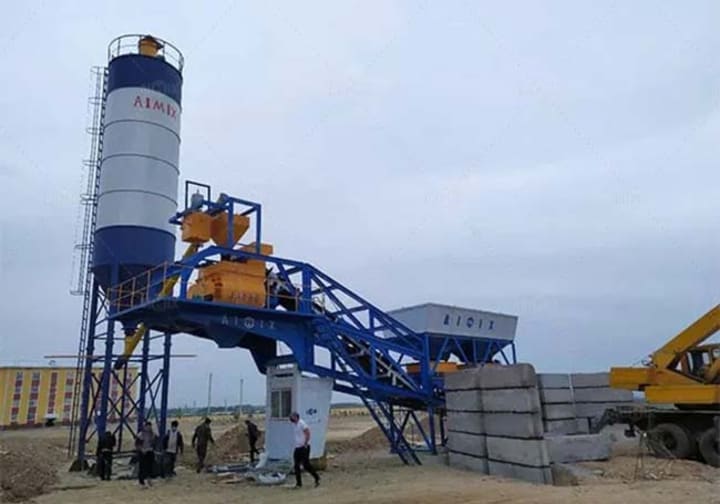
Finally, the plant must be configured for your specific operational context. A unit destined for frequent relocation between urban housing projects requires a compact design, quick setup features, and excellent roadability. A plant serving a remote, long-duration infrastructure project might prioritize a larger aggregate storage capacity and a more powerful generator. The "best-priced" concrete batch plant for sale is one whose configuration eliminates the need for costly adaptations or workarounds. It fits the task seamlessly. Therefore, market navigation concludes not with a simple purchase order, but with a strategic partnership. You are selecting a production asset and the ecosystem that sustains it. The optimal price is the one that secures not just a machine, but a reliable, efficient, and supported concrete production solution for the long term.
About the Creator
AIMIX
Construction Machine Manufacturer in China. Find Machines here: https://aimixconcretesolution.com/
2026 Platform Choice Mobile App Development Native vs Hybrid
In 2026, mobile app development native vs hybrid is no longer a framework debate. It reflects a tectonic shift inside the Google ecosystem where AI Retrieval, Zero Click discovery, and entity-level evaluation now shape risk exposure, authority loss, and strategic realignment for every mobile product.
By Samantha Blake5 days ago in 01
How James Kodrowski Builds Scalable Businesses and Long-Term Investments
James Kodrowski is widely recognized as an Entrepreneur, Business Leader & Investor known for building scalable businesses while maintaining a disciplined, long-term investment mindset. His approach combines financial intelligence, operational excellence, and leadership-driven strategy, making his work highly relevant across Finance & Financial Services, Business Strategy & Operations, and Entrepreneurship & Leadership.
By James Kodrowski5 days ago in 01




Comments