
Navigating the Complexities of the Palm Oil Market
Sustainability, Supply Chains, and Shifting Global Demand Patterns

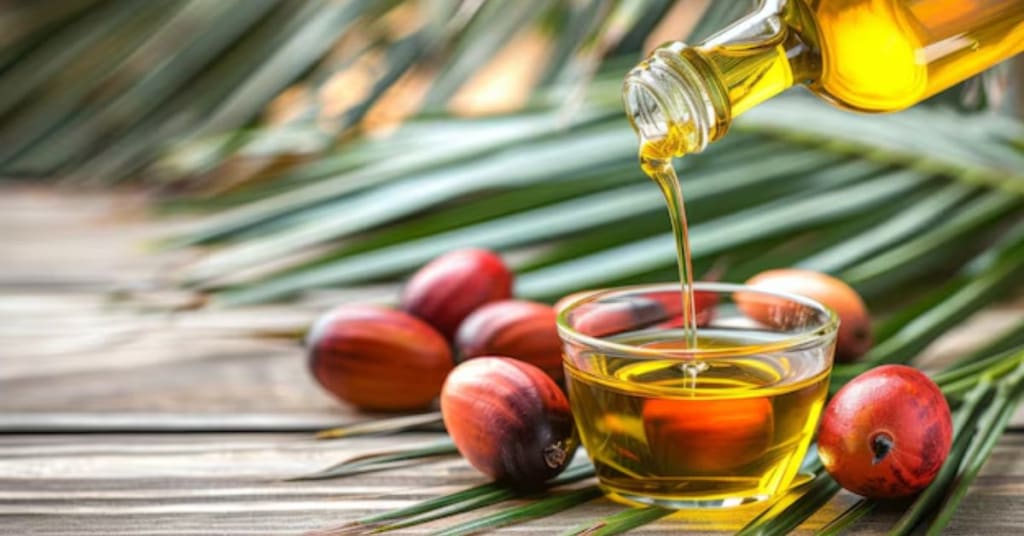
In the vast ecosystem of global trade, few commodities are as ubiquitous yet as misunderstood as the fruit-derived lipid. From the smooth texture of your morning peanut butter to the rich lather of your favorite shampoo, and even the fuel powering heavy transport, this versatile substance is the invisible engine of modern life. However, the Palm Oil Market is currently standing at a historical crossroads, caught between the insatiable demand of a growing global population and the urgent necessity of ecological preservation.
The Invisible Giant: Why This Lipid Dominates
To understand the scale of the industry, one must first look at the sheer efficiency of the Elaeis guineensis tree. When compared to other oilseeds like soy, sunflower, or rapeseed, the tropical oil palm is a biological marvel. It produces up to ten times more oil per hectare than its competitors. This efficiency is the primary reason it has become the backbone of global food security.
For developing nations, particularly in Asia and Africa, this botanical fat provides an affordable source of calories and a stable ingredient for cooking. In the West, its unique physical properties—specifically its ability to remain solid at room temperature without the need for unhealthy hydrogenation—made it the perfect solution to the "trans-fat crisis" of the early 2000s.
The Economic Engine of Southeast Asia
The story of this tropical lipid is inextricably linked to the economic rise of Indonesia and Malaysia. These two nations account for the vast majority of global production, and the industry serves as a massive engine for poverty alleviation. Millions of smallholder farmers rely on the red fruit crop for their livelihoods.
However, this economic success has come with a high environmental price tag. The rapid expansion of plantations has historically been a significant driver of tropical deforestation, leading to the loss of critical habitats for endangered species like the orangutan and the Sumatran tiger. It is this tension—between economic development and environmental stewardship—that defines the modern discourse surrounding the tropical lipid sector.
The Sustainability Revolution: From "No" to "Better"
In the last decade, a paradigm shift has occurred within the industry. The conversation has moved away from boycotts, which many experts argue would only shift the burden to less efficient crops like soy (requiring even more land), toward the implementation of rigorous sustainability standards.
The Round Table on Sustainable Palm Oil (RSPO) and various national certification schemes like ISPO (Indonesia) and MSPO (Malaysia) have become the gatekeepers of the modern supply chain. Large multinational corporations now operate under "NDPE" policies: No Deforestation, No Peat, No Exploitation. These policies are not just ethical statements; they are now operational requirements for any producer wishing to access high-value international markets.
The Role of Traceability
Technology is playing a crucial role in this transformation. Satellite monitoring, blockchain-enabled supply chains, and radar technology are now being used to track the journey of a single bunch of fruit from the plantation to the refinery. This level of transparency was unthinkable twenty years ago, but it is now the "gold standard" for ensuring that the oil in a consumer’s shopping cart did not contribute to the clearing of primary forests.
Beyond the Kitchen: The Oleochemical and Biofuel Boom
While food remains the largest consumer segment, the industrial applications of the tropical lipid are expanding at a rapid clip. In the world of "oleochemicals," derivatives of the oil are essential for producing surfactants, which are the cleaning agents in soaps and detergents. As consumers move away from petroleum-based chemicals in their personal care products, they are turning toward these plant-based alternatives.
Perhaps even more significant is the role of the oil in the energy transition. As the world seeks to decarbonize the transport sector, biofuels derived from vegetable fats have emerged as a bridge technology. Hydrotreated Vegetable Oil (HVO), often called "renewable diesel," can be used in existing engines with zero modifications, providing a path to lower carbon emissions for heavy trucking and aviation—sectors that are notoriously difficult to electrify.
The Smallholder Challenge
Despite the progress made by large plantations, a significant portion of the global supply is produced by independent smallholders. These farmers often lack the capital or the technical expertise to achieve sustainability certifications. If the industry is truly to transform, these millions of individuals must be brought into the fold.
Initiatives that provide smallholders with better seedlings, organic fertilizers, and training in "Good Agricultural Practices" (GAP) are essential. By increasing the yield on existing smallholder plots, the industry can meet rising global demand without needing to clear a single additional acre of forest. This "intensification over expansion" strategy is the only viable path forward for a planet with finite land resources.
Geopolitics and Trade Barriers
The trade of vegetable oils is rarely just about economics; it is deeply political. In recent years, we have seen significant trade friction between producing nations and the European Union. New regulations, such as the EU Deforestation Regulation (EUDR), aim to ensure that products sold in the European market are "deforestation-free."
While the intent is environmental protection, producing nations often view these measures as "green protectionism" or "neo-colonial" trade barriers that disproportionately affect small farmers. Navigating these diplomatic waters requires a delicate balance of international cooperation, mutual recognition of standards, and a shared commitment to the UN Sustainable Development Goals.
Innovation: The Next Frontier
What does the future hold for this botanical lipid? Innovation is moving in two distinct directions:
Genetic Mapping: Scientists are working to map the genome of the oil palm to create "super trees" that are more resistant to climate change, require less water, and produce even higher yields of specific fatty acids.
Lab-Grown Alternatives: A new wave of startups is using precision fermentation and yeast to create "synthetic" palm oil in bioreactors. While these technologies are currently expensive and difficult to scale, they represent a potential long-term supplement to traditional agriculture, particularly for high-end cosmetic and pharmaceutical applications.
Conclusion: A Future Built on Transparency
The journey of the tropical lipid from a local subsistence crop to a global industrial powerhouse is a testament to human ingenuity and the complexities of global trade. We can no longer afford to view this industry through a binary lens of "good" or "bad." Instead, we must recognize it as a vital resource that requires rigorous, transparent, and collaborative management.
The future of the botanical fat industry lies in the hands of those who can bridge the gap between the field and the consumer. It requires a commitment to the "Triple Bottom Line": People, Planet, and Profit. By prioritizing the livelihoods of smallholders, the protection of biodiversity, and the technological advancement of processing, the industry can ensure it remains a sustainable pillar of the global economy for generations to come.
As consumers, our role is not to turn away, but to demand better. By choosing products that are certified sustainable and supporting brands that invest in their supply chains, we provide the market signal necessary to keep the momentum of reform moving forward. The path is complex, and the stakes are high, but a sustainable future for this essential tropical lipid is not just possible—it is necessary.
About the Creator
Rahul Pal
Market research professional with expertise in analyzing trends, consumer behavior, and market dynamics. Skilled in delivering actionable insights to support strategic decision-making and drive business growth across diverse industries.
Retrofitting the Built Environment: How Aging Infrastructure Can Be Upgraded for a Low-Carbon Future
Cities around the world are built on aging infrastructure. From decades-old office buildings to outdated transportation systems, much of the built environment was designed long before energy efficiency and climate resilience were priorities. While new low-carbon developments are important, the greatest opportunity for emissions reduction lies in retrofitting existing infrastructure. Upgrading what already exists is often faster, more cost-effective, and far more impactful than starting from scratch.
By Brook Lang Seattle5 days ago in 01
How to Integrate Technology for Increased Productivity in Your Stone Crusher Plant
Integrating modern technology into a stone crusher plant is no longer a luxury reserved for the largest operators; it is a practical pathway to significant gains in productivity, cost control, and product consistency. This process does not require a complete, overnight overhaul. A methodical, step-by-step approach allows you to implement technological solutions that deliver a clear return on investment, building a smarter and more responsive operation over time. The goal is to transition from reactive, experience-based management to a proactive, data-driven model. This guide provides a structured framework for this integration, focusing on actionable steps that enhance visibility, automate repetitive tasks, and optimize the entire material processing chain from feed to final stockpile.
By consrtuctionmachines7 days ago in 01



Comments
There are no comments for this story
Be the first to respond and start the conversation.