
Moroccan Couscous: The 30-Minute Version That Tastes Like It Simmered All Day
Perfect for busy weeknights but impressive enough for guests, this simplified Moroccan couscous delivers authentic North African flavors without the traditional hours-long process.

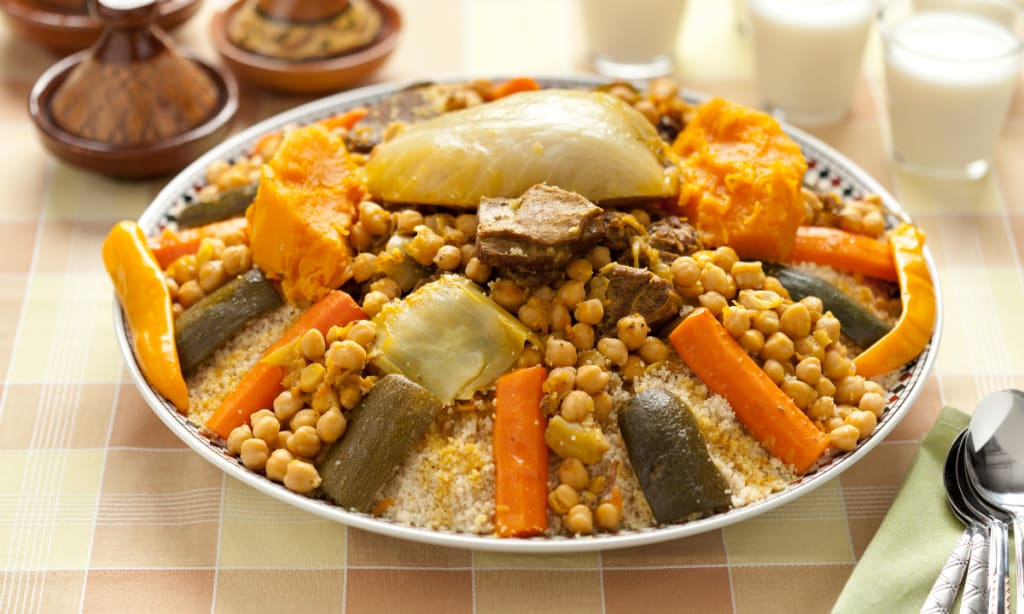
The aroma filled my kitchen – warm cinnamon, earthy cumin, and sharp ginger dancing together as the vegetables simmered. I was transported back to that small restaurant in Marrakech, where I first tasted proper Moroccan couscous. The family who owned the place had invited me to their Friday lunch, a weekly tradition when Moroccan families gather around a communal dish of couscous.
Traditional Moroccan couscous involves steaming the grains three separate times over a special pot called a couscoussier – a process that can take hours. But after much experimentation and guidance from Moroccan friends, I've developed this streamlined version that delivers authentic flavors in just 30 minutes.
The Key to Authentic Flavor in Less Time
What sets this recipe apart from basic "boxed couscous with stuff added" is attention to three critical elements:
1. Proper spice blooming – Toasting the spices in oil releases their essential oils and develops depth
2. Thoughtful vegetable staging – Adding vegetables in order of cooking time ensures nothing is over or undercooked
3. Respecting the couscous grain – Treating even instant couscous with proper seasoning and preparation techniques
Ingredients You'll Need
For the Vegetable Mixture:
- 3 tablespoons olive oil
- 1 large onion, diced
- 3 cloves garlic, minced
- 1 teaspoon ground cumin
- 1 teaspoon ground ginger
- ½ teaspoon ground cinnamon
- ¼ teaspoon cayenne pepper (optional)
- 2 carrots, peeled and cut into chunks
- 1 small turnip, peeled and cubed (traditionally important)
- 1 cup butternut squash or pumpkin, cubed
- 1 medium zucchini, cut into chunks
- 1 can (15 oz) chickpeas, drained and rinsed
- 1 cup vegetable or chicken broth
- Salt and pepper to taste
For the Couscous:
- 2 cups instant couscous
- 2 cups hot chicken or vegetable broth
- 2 tablespoons olive oil
- 1 teaspoon salt
- ½ teaspoon ground turmeric
- 2 tablespoons butter
- ¼ cup chopped fresh parsley or cilantro
Optional Toppings:
- ¼ cup raisins, soaked in warm water for 15 minutes
- ¼ cup toasted almonds or pine nuts
- Fresh mint leaves
The Method
Prepare the Vegetable Mixture:
1. Heat the olive oil in a large pot over medium heat. Add the onion and cook until translucent, about 5 minutes.
2. Add the garlic and cook for 30 seconds until fragrant.
3. Critical flavor-building step: Add the cumin, ginger, cinnamon, and cayenne (if using). Toast the spices for 30 seconds until they become aromatic. This brief cooking in oil unlocks their full potential.
4. Add the carrots, turnip, and butternut squash – the vegetables that need the most cooking time. Sauté for 5 minutes, stirring occasionally.
5. Pour in the broth, bring to a simmer, cover, and cook for 10 minutes.
6. Add the zucchini and chickpeas, season with salt and pepper, and simmer for another 5-7 minutes until all vegetables are tender but not mushy.
Prepare the Couscous:
1. In a large bowl, combine the dry couscous, turmeric, and salt.
2. Pour the hot broth and olive oil over the couscous, stir quickly, then cover with a plate or lid.
3. Let sit for 5 minutes undisturbed, then fluff with a fork.
4. Stir in the butter while the couscous is still warm, then mix in the chopped herbs.
Serve the Traditional Way:
1. Spread the couscous on a large serving platter, creating a well in the center.
2. Spoon the vegetable mixture into the center, including plenty of broth.
3. Top with optional raisins, toasted nuts, and fresh mint.
4. Serve immediately, with additional broth on the side for anyone who wants their couscous moister.
Cultural Context
In Morocco, couscous is traditionally eaten with the right hand, using the thumb and first two fingers to form small balls. While it's perfectly fine to use utensils, understanding this tradition helps appreciate couscous as more than just another grain dish – it's a cornerstone of North African food culture.
Many Moroccans judge the quality of a couscous dish by the fluffiness of the grain and the richness of the broth. While the traditional triple-steaming method produces the fluffiest results, this simplified version still delivers excellent texture and authentic flavor.
Make It Your Own
This recipe is vegetarian as written, but it's easy to adapt:
- For meat lovers: Brown 1 pound of lamb or chicken pieces in the pot before adding the onions. Remove while you cook the vegetables, then return them to the pot about 15 minutes before serving.
- For vegan option: Use vegetable broth and substitute olive oil for the butter.
- Seasonal variations: In spring, add fresh fava beans; in fall, emphasize more root vegetables.
The beauty of Moroccan cuisine lies in its ability to transform simple ingredients into complex, satisfying meals. Even in this abbreviated form, you'll find this couscous recipe captures the essence of Moroccan hospitality – generous, flavorful, and comforting.
What culinary shortcuts have you discovered that don't sacrifice authenticity? I'd love to hear your cooking hacks in the comments below!
About the Creator
Mohamed B
Always fascinated by the skill and creativity of the hands that make the Moroccan product, I devote myself to the work of art. I try to convey on all continents my knowledge, my full knowledge of the Berbers.
Understanding Ceramic Components: Materials, Manufacturing, and Modern Applications
Ceramics have been used by human societies for thousands of years, evolving from simple pottery into highly engineered materials used in advanced industries. Today, the word ceramic refers not only to traditional objects but also to technical materials designed for precision, durability, and performance. Modern discussions around ceramic components reflect this long history of innovation and adaptation.
By charliesamuel2 days ago in 01
How a Healthcare 4.0 Strategy Is Reshaping Patient-Centered Care
Healthcare is undergoing one of the most profound transformations in modern history. Advances in artificial intelligence, connected devices, data analytics, and cloud computing are reshaping how care is delivered, managed, and experienced. Hospitals, clinics, and healthcare organizations are no longer limited to traditional systems; instead, they are moving toward digitally connected ecosystems that focus on efficiency, predictive insights, and personalized treatment.
By Steve Waugh4 days ago in 01




Comments
There are no comments for this story
Be the first to respond and start the conversation.