
Modernizing Industrial Plants: Why Digitization is No Longer Optional!
Unlocking Efficiency, Sustainability, and Innovation Through Digital Transformation
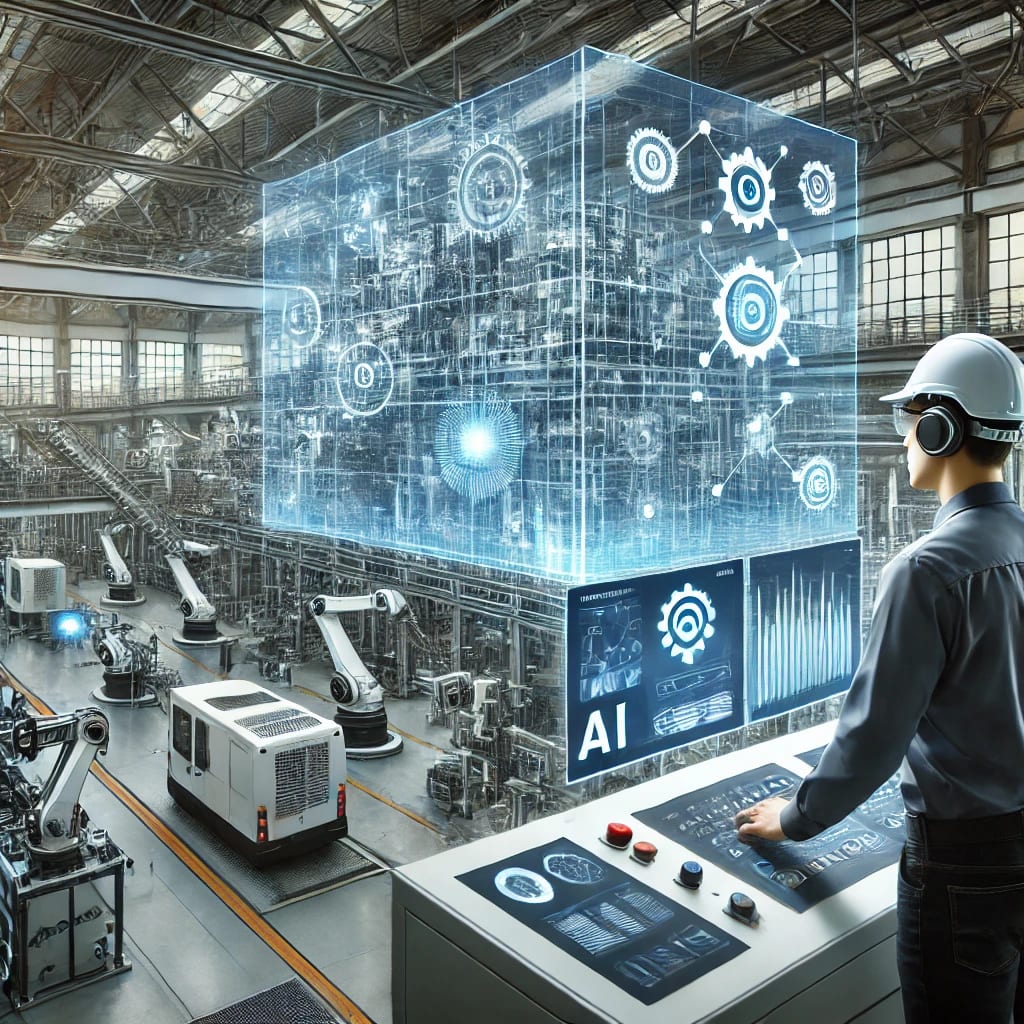
The industrial sector is rapidly evolving, driven by technological advancements and the need for greater efficiency, automation, and sustainability. Industrial plants that continue to rely on outdated manual processes find it increasingly difficult to compete in today’s market. Inefficiencies, high operational costs, and limited scalability hinder growth and innovation. To address these challenges, digitization is no longer an option but a necessity.
Digitizing industrial plants involves leveraging smart technologies, data analytics, and automation to optimize operations. Building Information Modeling (BIM), Digital Twins, IoT sensors, and AI-driven analytics are transforming industrial plant design, management, and maintenance. These technologies enable real-time monitoring, predictive maintenance, and energy optimization, ensuring that plants remain agile and competitive.
This blog explores the limitations of traditional industrial plants, the transformative power of digitization, and the benefits of adopting digital solutions. It also examines the role of BIM and Digital Twins in modernizing industrial facilities and addresses the challenges businesses face when transitioning to a digital-first approach.
The Challenges of Traditional Industrial Plants
Traditional industrial plants often operate with manual processes, aging infrastructure, and reactive maintenance strategies. These factors contribute to inefficiencies, escalating operational costs, and lost productivity.
One of the most significant challenges is the lack of real-time data collection and connectivity. While industrial operations generate vast amounts of data, legacy systems often fail to capture and utilize it effectively. This results in delayed decision-making, inefficiencies, and unplanned downtime. Maintenance is typically reactive rather than predictive, leading to expensive repairs and unexpected production halts.
Energy inefficiency is another major concern. Older plants consume excessive energy due to outdated equipment and inefficient processes, increasing both operational costs and environmental impact. As industries strive for sustainability and regulatory compliance, digitization provides solutions to optimize energy use and minimize waste.
Moreover, compliance with strict safety regulations is essential. Without digital monitoring and automation, ensuring adherence to safety standards becomes increasingly complex. Plants that fail to modernize risk falling behind competitors and facing operational constraints.
The Role of Digitization in Industrial Modernization
Digitization is revolutionizing industrial plants by integrating smart technology, automation, and data analytics. One of the most significant advancements is real-time monitoring and predictive analytics, which allow plant managers to track equipment performance, identify potential failures, and optimize operations before issues arise.
BIM and Digital Twins are playing a pivotal role in plant modernization. BIM facilitates 3D modeling and clash detection, aiding engineers in designing efficient layouts and infrastructure. Digital Twins create a virtual replica of the facility, enabling real-time simulations, performance tracking, and remote diagnostics.
IoT integration further enhances plant efficiency by connecting sensors that monitor critical factors like temperature, pressure, and energy consumption. These connected systems reduce human intervention, automate workflows, and improve decision-making with real-time insights. AI-powered automation streamlines manufacturing processes, reducing errors and increasing overall productivity.
Key Benefits of Digitizing Industrial Plants
The benefits of industrial plant digitization extend across operational efficiency, cost reduction, and sustainability, making it an essential investment for modern industrial plants.
1. Increased Efficiency & Productivity
Digitization eliminates inefficiencies by automating tasks, optimizing workflows, and improving coordination between departments. AI-powered automation enhances manufacturing speed and quality.
2. Predictive Maintenance & Downtime Reduction
With real-time monitoring and predictive analytics, industrial plants can anticipate equipment failures, schedule preventive maintenance, and minimize costly downtime.
3. Enhanced Safety & Compliance
Automated safety monitoring, real-time alerts, and compliance tracking ensure adherence to industry regulations, reducing workplace hazards and improving employee well-being.
4. Energy Optimization & Sustainability
Smart energy management systems powered by IoT sensors and AI help reduce waste, optimize energy consumption, and support sustainability initiatives.
5. Scalability & Future-Proofing
Digitized plants can seamlessly integrate new technologies, expand operations, and remain competitive in an ever-evolving market.
The Role of BIM & Digital Twins in Industrial Plant Digitization
BIM and Digital Twins are revolutionizing the design, construction, and management of industrial plants. BIM enhances project execution through detailed 3D models, reducing design errors and optimizing plant layouts. Digital Twins, on the other hand, provide real-time digital replicas of facilities, enabling operators to monitor performance, test scenarios, and optimize processes remotely.
By integrating IoT data into Digital Twin models, companies can improve asset management, enhance predictive maintenance, and streamline operations.
Overcoming Challenges in Digital Transformation
Despite its benefits, digitization presents challenges that must be addressed to ensure a smooth transition. One of the primary concerns is integrating new technology with legacy systems. Many industrial plants operate with outdated machinery and software that may not be compatible with modern digital solutions. A phased implementation strategy can help bridge this gap.
Cybersecurity risks are another major concern. As industrial plants adopt IoT and cloud-based platforms, they become more vulnerable to cyber threats. Implementing robust cybersecurity measures, conducting regular system updates, and training employees on digital security are critical steps in safeguarding digital infrastructure.
Additionally, workforce training is essential for a successful transition. Employees need to develop digital literacy skills to effectively operate and maintain smart industrial systems.
Conclusion
In today’s industrial landscape, digitization is not a luxury—it is a requirement. The adoption of BIM, Digital Twins, IoT, and AI-driven automation enhances efficiency, safety, and sustainability while ensuring long-term competitiveness.
As industries push for smarter, more cost-effective, and environmentally sustainable solutions, companies that embrace digital transformation will gain a strategic advantage over those that continue relying on outdated systems. Investing in digitization today will future-proof industrial plants, drive innovation, and maximize operational efficiency for years to come.
About the Creator
Anandhu T U
Anandhu is a BIM enthusiast passionate about the BIM (building information modeling) world. He is also excited about the ever-evolving architecture industry and technological innovations.
Keep reading
More stories from Anandhu T U and writers in 01 and other communities.
Why Digitalization is the New Blueprint for Industrial Success
In the rapidly evolving landscape of global industries, digitalization has transcended from a mere trend to a fundamental shift integral to operational excellence and competitive advantage. As businesses navigate through the complexities of modern markets, the adoption of digital technologies is a decisive factor that shapes their trajectories. This blog post delves into why digitalization is essential for industrial success and how it serves as the new blueprint for organizations seeking to thrive in this digital age.
By Anandhu T Uabout a year ago in 01
Reducing AI Integration Failures by 40% With the Right Generative AI Consulting Partner
In the rush to adopt cutting-edge technologies, many organizations have jumped into artificial intelligence projects without a solid strategy, experienced guidance, or realistic expectations. As a result, a growing number of businesses report stalled initiatives, failed integrations, or tools that never deliver meaningful ROI. But when organizations align with the right generative ai consulting services, the narrative changes — often dramatically. With expert support, companies can reduce AI integration failures by up to 40% and unlock the full potential of intelligent systems.
By Steve Waugh2 days ago in 01
Georges Chahwan: The Marketing Director Redefining Performance Strategy in Healthcare Staffing
In the competitive world of healthcare staffing, standing out requires more than a polished brand. It demands a marketing engine built on strategy, data, and relentless execution. Georges Chahwan, Marketing Director at ProMed Staffing Resources, has spent years engineering exactly that kind of engine. His approach combines technical SEO, digital advertising, and personalized email marketing into a cohesive system that doesn't just attract attention it converts.
By Jeffrey D. Gross MDabout 16 hours ago in 01



Comments (1)
I hope you're well. I've subscribed to your channel and enjoy your content. If you find my channel aligns with your interests, I'd appreciate your subscription.