
Modern Farming in Canada: From Crops to Online Sales
Farming as a Business in Canada
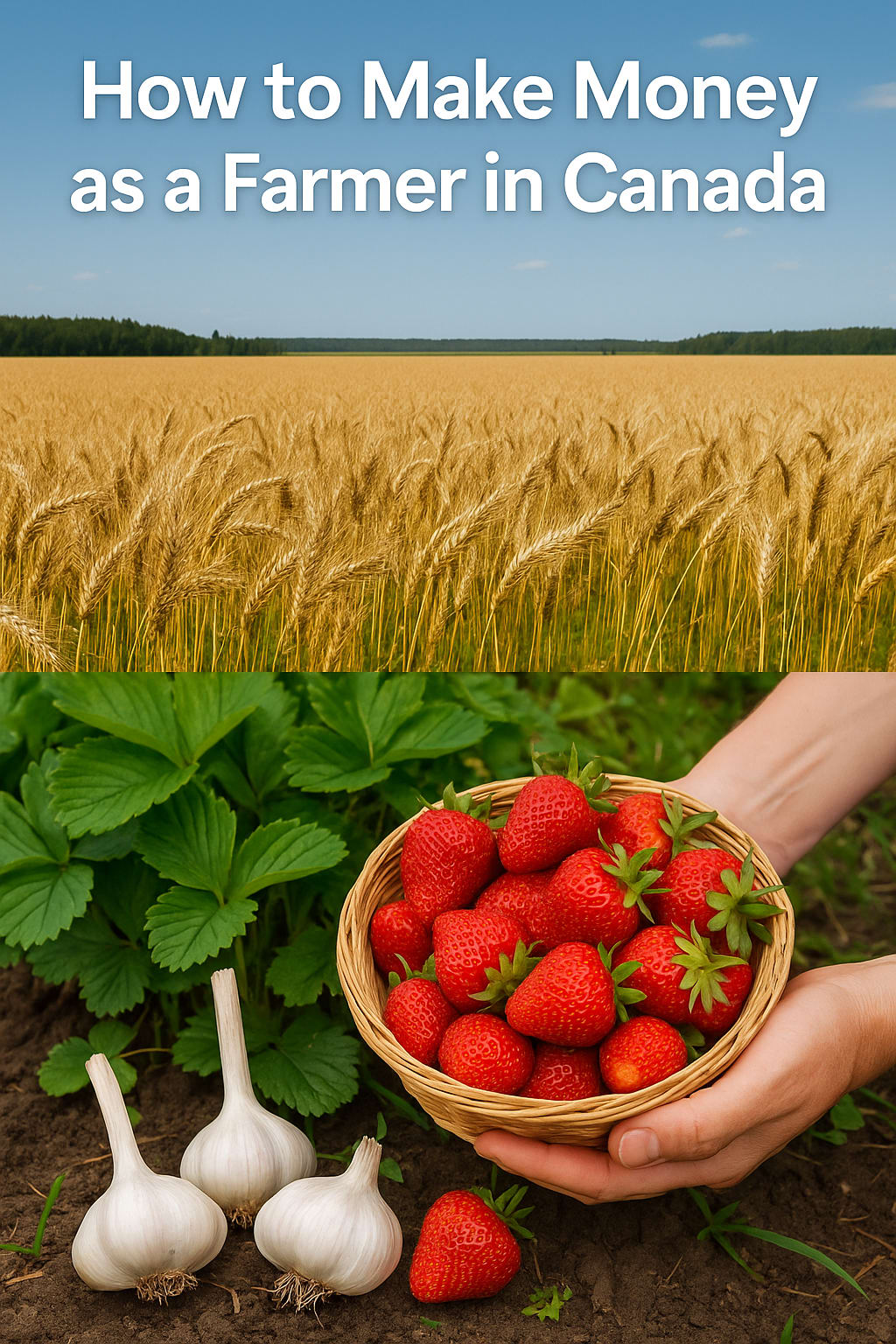
Farming today is more than just planting and harvesting; it combines tradition with innovation and business savvy. Canadian farmers must view their homestead as a flexible business platform, finding multiple revenue streams both in the fields and online. By diversifying crops, raising livestock ethically, and adding specialty or organic products, farm owners can tap higher-margin markets. Meanwhile, building a strong online presence — from an e-commerce site to smart hosting solutions — can open global market opportunities for your products.
Diversify Crop Production
Growing staple cash crops (wheat, corn, soybeans, etc.) provides a reliable income base through government programs and steady demand. Smart farmers maximize yield with precision planting and efficient fertilization, cutting costs and stabilizing profits. Smaller operations often specialize: raising organic or heirloom varieties can fetch premium prices. Cultivating high-value niche crops like berries, gourmet garlic, herbs or specialty vegetables can yield many times the profit per acre of common crops. These diverse crop choices build resilience against market swings and create year-round revenue.
Add Value with Livestock and Processing
Raising livestock provides multiple revenue streams from meat, milk, eggs and more. Ethically raised animals (for example, grass-fed cattle, free-range pigs or organic poultry) are in growing demand and often command 30–50% higher prices than commodity stock. On-farm processing multiplies income: turning milk into artisan cheese or yogurt, slaughtering and curing meat into sausages and bacon, or preserving produce as jams and pickles significantly increases product value. For instance, raw milk sold for a few dollars per gallon can become $15–$50 of specialty cheese. Direct-marketing these value-added foods (at your farm gate or online) lets you capture the profit that middlemen would otherwise take.
Beekeeping and mushroom cultivation are two more high-value ventures. A small number of beehives yields honey, beeswax, royal jelly and other products; raw local honey and handcrafted beeswax candles sell at very high margins at farmers’ markets and fairs. Likewise, growing gourmet mushrooms (oyster, shiitake, lion’s mane, etc.) in controlled environments requires little space but yields significant income. Restaurants and health-food stores prize these specialty mushrooms, making small-scale mushroom farming very profitable.
Agritourism and Community Engagement
Your land and heritage can attract visitors. Agritourism experiences — from u-pick fruit fields and corn mazes to pumpkin patches and farm tours — can transform your farm into a destination. Charging a modest admission fee for a fall festival, hayrides or u-pick harvest provides significant seasonal revenue and creates memorable customer experiences. Holiday events like Christmas tree sales, holiday markets or winter light displays also draw crowds and boost sales in the off-season.
Farms also serve as informal classrooms. Hosting workshops on topics such as beekeeping, organic gardening or cheesemaking lets you share your expertise and diversify income. These workshops can be held on-site or even online, extending your reach beyond the local area. Additionally, renting your grounds for weddings, yoga retreats or photo shoots can bring thousands of dollars per event. Converting a scenic pasture or barn into an event venue taps into the market for unique, nature-based experiences.
Direct Sales and Community Support
Connecting directly with consumers boosts farm revenues. Participating in farmers’ markets, roadside stands or home-delivery programs lets you sell at retail prices, often 20–50% higher than wholesale. Establishing a Community Supported Agriculture (CSA) program — where customers pay upfront for a share of the harvest (weekly boxes of produce, meat or dairy) — gives you early-season cash flow and guaranteed buyers. Long-term partnerships with local restaurants and grocery stores are also valuable; chefs and store buyers seek fresh, local produce. Listing “Organic [Your Product] from [Your Farm]” on a menu or label can build your brand and justify premium prices.
Branding and Marketing
Storytelling and branding can turn a simple product into a memorable experience. Design unique packaging or labels, share your farm’s history and values online, and highlight any certifications (organic, non-GMO, free-range, etc.). These steps make your farm stand out from competitors and build trust. For example, listing “Organic [Product] from [Your Farm]” on your website or packaging will attract health-conscious customers.
Effective branding can include: - Distinctive packaging: Create eye-catching, uniform packaging or labels for produce, eggs, honey, etc., to differentiate your products on shelves and online.
Social media and content: Share photos, videos and farm stories on social media, blogs and newsletters. Authentic glimpses of farm life encourage customer loyalty.
Certifications and awards: Publicize any organic, sustainable or quality certifications, and display local awards or media features. Official seals and press can justify higher prices.
Community engagement: Host open farm events, dinners or seasonal celebrations. Engaging customers in person strengthens word-of-mouth marketing and your local reputation.
Embracing Technology and Online Sales
Modern farming equipment and technology can greatly improve efficiency and yields. GPS-guided tractors, precision sprayers and automated irrigation systems reduce waste and labor. For example, precision planters ensure seeds are sown at optimal spacing, and smart soil sensors fine-tune irrigation to exactly what plants need. Industry experts note that digital innovations are a strategic necessity for farms: one Farm Credit Canada report estimates that Canada’s farms could gain up to $30 billion in extra revenue over the next decade by improving productivity.
Precision agriculture tools like this GPS-guided tractor help automate field work. By targeting inputs (fertilizer, water, etc.) only where needed, farmers can significantly cut costs and increase yields on each acre. These innovations — once available only to large operations — are becoming accessible to smaller farms, boosting output with less manual effort.
Beyond the field, building a strong online presence expands your market. Having the best web hosting in Canada for farmers means your website and store run quickly and securely. As your traffic grows, upgrading to a VPS hosting in Canada for small business gives your online store dedicated resources and stability during busy periods. Many farms use managed WordPress hosting in Canada for their farming business, which provides built-in speed optimizations and security so you can focus on farming instead of technical issues.
In addition to a website, use digital marketing. Optimize your site for search engines (SEO) by using local keywords like “farm fresh produce near me,” so customers in your region find you easily. Advertise products or events online — for example, posting a video tour of your farm or an ad for a CSA subscription — to attract new customers nationwide. Investing in online tools and marketing makes your farm business scalable and resilient.
Sustainable Ventures and Innovation
New sustainable projects can also add revenue. Leasing land for renewable energy (solar panels or wind turbines) provides steady, long-term income with minimal effort. On-farm biogas systems (turning manure into energy) or energy-efficient greenhouses can reduce costs and qualify for government incentives in Canada. These projects not only earn money but also highlight your farm’s commitment to the environment.
Farms are increasingly data-driven. Many producers use farm-management software or apps (often run on secure VPS servers) to track costs, yields and sales. Some farmers share resources — for instance, a cooperative drone service or a shared packing facility — to lower expenses and adopt new tech faster. By experimenting with these innovations and collaborating in agricultural networks, you keep your operation productive and competitive.
Conclusion
Farming is now a multi-faceted business. Canadian farmers who blend traditional methods with new strategies can build strong, sustainable operations. Growing high-value crops, raising animals responsibly, offering tours and using CSA memberships all increase and stabilize your income. At the same time, a robust online presence is no longer optional: choosing quality Canadian hosting and leveraging digital marketing brings customers to your farm and website. For example, SEO-optimized web hosting and managed WordPress solutions ensure your farm stands out online, and upgrading to VPS hosting in Canada for small business as you grow keeps your site running smoothly.
In short, the most successful farms are those that adapt. By diversifying income streams and embracing the best digital tools, you can grow your farm into a thriving, resilient enterprise that feeds and sustains future generations.
About the Creator
Keep reading
More stories from Steve Oscar and writers in 01 and other communities.
How to Build a High-Income Career in Canada Without a Degree
The Shifting Job Market The Canadian job market has changed dramatically in recent years. Companies large and small – even tech giants like Google and Apple – increasingly drop strict degree requirements in favor of hiring based on proven skills and results. In most industries, a strong portfolio or relevant certifications speak louder than a piece of paper.
By Steve Oscar5 months ago in 01
Google Billionaire Larry Page Snaps Up 2 Miami Mansions for $173 Million
Billionaire and Google co-founder Larry Page has shelled out more than $173 million in recent weeks, snapping up a pair of luxury estates tucked deep within Miami's discreet Coconut Grove enclave. Page made the high-dollar moves as speculation intensified over his broader departure from California, where a proposed ballot measure targets billionaires with a sweeping one-time wealth tax.
By Dena Falken Esq2 days ago in 01
A Dart at Dusk
Seconds ago, the sullen sun set on the two of us… my exuberant furry companion and me. A fresh breeze embraces us, delivering welcome relief from the day’s oppressive heat. His typical stumbling and staggering along — apace with a sloth — has turned into trip-trapping, high-stepping, almost skipping along.
By Angie the Archivist 📚🪶3 days ago in Petlife




Comments
There are no comments for this story
Be the first to respond and start the conversation.