
Mobile ARPGs That Let You Build Your Own Character Class
Discover mobile ARPGs with flexible builds and true character freedom
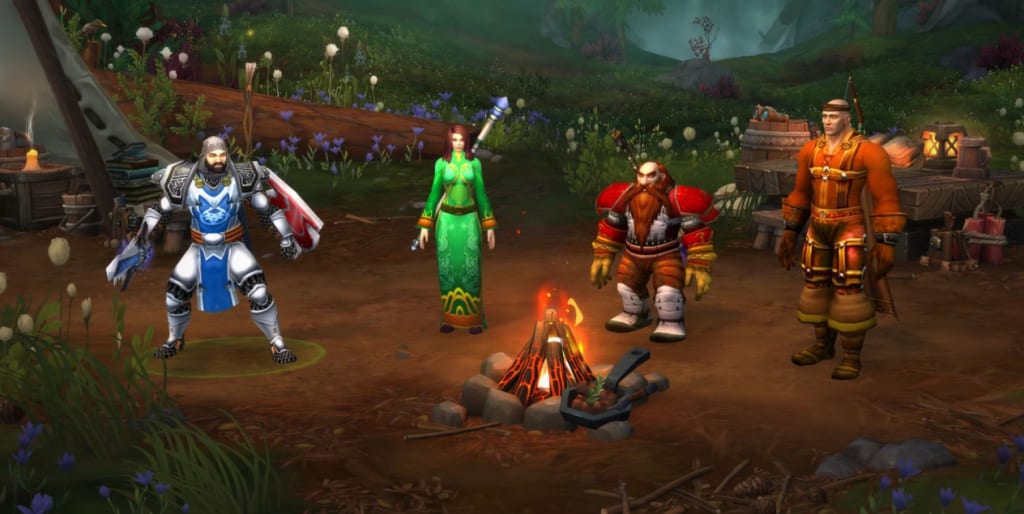
In most action RPGs, you're given a choice: pick a class, follow its skill tree, and stick to a predefined path. While this traditional model works, it limits creativity and personal expression. But a growing wave of mobile ARPGs is challenging that formula, giving players the power to build characters from the ground up. These games move beyond the standard warrior-mage-rogue archetypes, letting you blend abilities, design hybrid builds, and shape your playstyle without rigid class restrictions. For those who crave experimentation and true character freedom, the mobile platform is finally delivering meaningful options.
The Rise of Classless ARPG Systems on Mobile
One of the most notable shifts in mobile ARPG design is the move toward classless progression systems, where players start with a blank slate and unlock skills or attributes across multiple categories. This model encourages creativity and replayability, especially for experienced players who want to fine-tune builds rather than follow presets.
Games like Undecember exemplify this approach. It ditches traditional classes entirely and replaces them with a rune-based skill system. Every active and passive skill is modular, allowing you to craft a character that uses melee attacks supported by fire magic, or a ranged build boosted by defensive buffs. The skill synergies are deep, and the freedom to break archetypal boundaries is a core part of the experience.
This design isn’t just cosmetic. It affects gameplay flow, itemization, and the meta itself. In classless systems, loot isn’t locked to a specific role. Instead, gear often modifies abilities across trees, pushing players to think strategically about how armor, weapons, and passive skills can enhance a unique build. For a broader look at other Diablo-inspired mobile ARPGs that balance class systems and loot-driven progression, this curated list of the best Diablo-like iOS games offers a helpful overview of what’s available on the platform.
Hybrid Build Systems: Structured Freedom With Real Impact
While full classless systems offer maximum flexibility, some mobile ARPGs blend structure with freedom—giving players a base class and multiple sub-class or skill path options. This hybrid approach offers a smoother onboarding experience without sacrificing depth.
AnimA ARPG provides one of the most balanced hybrid systems in the mobile space. Players begin by selecting from three traditional archetypes: warrior, mage, or ranger. But at higher levels, AnimA allows dual-classing, opening the door to hybrid builds like a battle mage or a spellcasting archer. The skill trees are open-ended enough that two players with the same base class can end up with entirely different builds by endgame.
This system rewards experimentation while still providing a clear framework. It’s especially effective for players transitioning from rigid RPGs into more open systems. Hybrid models also make it easier for developers to design content around general roles while still encouraging personal expression.
Deep Skill Customization as a Substitute for Class Choice
Some ARPGs don’t remove classes entirely but build deep customization into their skill systems, allowing players to redefine how a class behaves. This approach is popular in games that want to retain iconic fantasy roles while empowering users to mold them to their liking.
Eternium is a great example. Although players choose between warrior, mage, or bounty hunter, the progression system allows for significant skill evolution. You can shift a mage into a tank-like crowd control specialist or spec a bounty hunter for close-quarters burst damage. The system also uses gear sets that unlock or enhance specific playstyles, adding another layer to character tuning.
This model strikes a balance between narrative identity and mechanical flexibility. Players still feel connected to a clear fantasy archetype while retaining agency over how that class evolves.
Why Custom Class ARPGs Attract Hardcore and Casual Players
What makes mobile ARPGs with build-your-own-class mechanics so appealing is that they cater to two distinct audiences at once. Hardcore players thrive on min-maxing and theorycrafting. These systems reward deep mechanical understanding and constant optimization. Casual players, on the other hand, enjoy experimenting without fear of picking the “wrong” class. With respec options and modular design, these games offer a forgiving environment to explore multiple playstyles.
Additionally, mobile gamers often engage in shorter play sessions, which makes customizable systems ideal. You can tweak a build, test it in a dungeon, and refine it—all within a 15-minute gameplay window. This instant feedback loop keeps engagement high and encourages ongoing experimentation.
The Future of Mobile ARPGs Lies in Customization
The mobile ARPG space is evolving quickly, and the demand for deeper, more personalized progression systems is driving innovation. Whether through fully classless systems like Undecember, hybrid frameworks like AnimA, or deeply modifiable class trees like Eternium, these games are redefining what it means to play your way.
Mobile platforms are no longer second-tier when it comes to mechanical complexity. In fact, they’re leading a quiet revolution in how player identity and agency are built into character progression. For anyone tired of the same old class picks, these games offer something far more rewarding: control.
Conclusion
The next generation of mobile ARPGs isn't about choosing from a list of predefined roles—it's about designing your own. By giving players the freedom to shape their characters from the ground up, these titles offer a level of depth and flexibility rarely seen on mobile devices. Whether you're a hardcore theorycrafter or a casual gamer looking to try something new, the ability to build your own class unlocks a richer, more personalized gameplay experience. The future of mobile ARPGs belongs to those that put choice and creativity at the center of character development.
About the Creator
Understanding Behavioral Health: Why It Matters More Than Ever
Behavioral health is no longer a secondary conversation in healthcare — it is central to how we understand overall well-being. As awareness grows and stigma declines, more individuals, families, employers, and policymakers are recognizing that mental health, emotional wellness, and substance use treatment are essential components of a healthy society.
By Herrick Lipton6 days ago in 01



Comments
There are no comments for this story
Be the first to respond and start the conversation.