
Mirrorless vs. DSLR: A Comprehensive Guide to Choosing Your Perfect Camera
Are you torn between investing in a DSLR or a mirrorless camera? This detailed guide explores the key features, advantages, and disadvantages of both types of cameras, providing you with the knowledge you need to select the perfect tool for your photography journey.
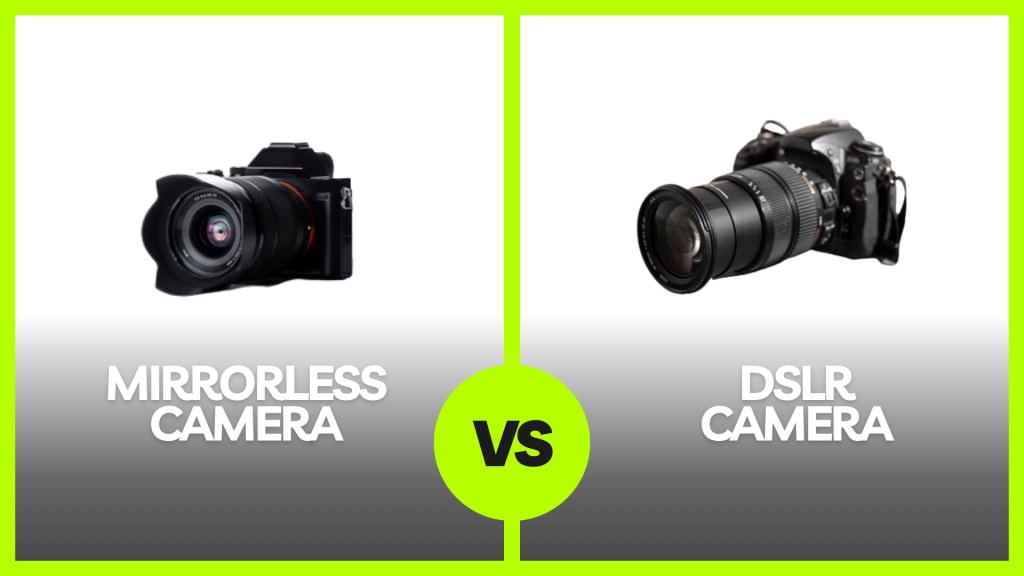
In the ever-evolving world of photography, choosing the right camera can feel overwhelming. With the rise of mirrorless cameras, many photographers find themselves asking, "Mirrorless vs. DSLR: which one is better for me?" To help you make an informed decision, we’ll explore the ins and outs of both types of cameras, discussing their unique features, pros, and cons. So, let’s dive in and find out what makes each camera type tick.
Understanding the Basics: What is a DSLR Camera?
A Digital Single-Lens Reflex (DSLR) camera uses a mirror mechanism to reflect light from the lens up into an optical viewfinder. When you press the shutter button, the mirror flips up, allowing light to hit the image sensor and capture the photo. This traditional design has been a staple in the photography world for decades, offering reliability and high performance.
Advantages of DSLRs
· Optical Viewfinder: DSLRs provide a clear, real-time optical viewfinder experience, which some photographers prefer for its true-to-life viewing.
· Battery Life: Generally, DSLRs have longer battery life compared to mirrorless cameras, allowing you to shoot longer without needing a recharge.
· Lens Variety: DSLRs have a vast range of lenses available, from budget-friendly options to professional-grade glass.
Disadvantages of DSLRs
· Bulk and Weight: DSLRs tend to be bulkier and heavier due to the mirror and prism system.
· Mechanical Complexity: The mirror mechanism adds mechanical complexity, which can potentially lead to wear and tear over time.
Understanding the Basics: What is a Mirrorless Camera?
A mirrorless camera, as the name suggests, does not have a mirror. Instead, light passes directly from the lens to the digital image sensor, and the image is displayed on an electronic viewfinder (EVF) or the rear LCD screen. This modern design offers several benefits and has quickly gained popularity among photographers of all levels.
Advantages of Mirrorless Cameras
· Compact and Lightweight: Without the mirror mechanism, mirrorless cameras are generally smaller and lighter, making them more portable.
· Electronic Viewfinder: The EVF provides a digital preview of your image, including exposure settings, which can be a significant advantage for beginners.
· Fast Autofocus: Mirrorless cameras often have faster and more accurate autofocus systems, particularly for video shooting and continuous tracking.
Disadvantages of Mirrorless Cameras
· Battery Life: The electronic viewfinder and LCD screen consume more power, resulting in shorter battery life.
· Lens Options: Although the selection of lenses for mirrorless cameras is growing, it’s still not as extensive as that for DSLRs.
Well, you can have the all new NyNikon App available in both iOS and Google Play store where you can explore every sort of camera along with detailed reviews, free demo and much more.
Image Quality and Performance: Mirrorless vs. DSLR
When it comes to image quality in the debate of Mirrorless vs DSLR, both types of cameras are capable of producing stunning photos. The image sensor size, resolution, and quality of the lens play more crucial roles than whether the camera has a mirror. However, there are some performance differences to consider that might influence your choice in the Mirrorless Camera vs DSLR debate. Autofocus Systems:
· DSLRs: Traditionally, DSLRs have relied on phase-detection autofocus, which is fast and accurate for still photography.
· Mirrorless Cameras: Many modern mirrorless cameras use a combination of phase-detection and contrast-detection autofocus, offering superior performance in both still and video shooting.
Continuous Shooting:
· DSLRs: Due to the mirror mechanism, DSLRs may have slightly slower continuous shooting speeds.
· Mirrorless Cameras: Without the need to move a mirror, mirrorless cameras often achieve higher continuous shooting rates, ideal for capturing fast action.
Video Capabilities: Mirrorless vs. DSLR
For videographers, the choice between mirrorless and DSLR can be particularly significant. Here’s a closer look at how they compare in the video department.
Video Quality:
· DSLRs: While DSLRs have improved their video capabilities over the years, they still lag behind mirrorless cameras in terms of features and ease of use.
· Mirrorless Cameras: Mirrorless cameras generally excel in video recording, offering advanced features like 4K resolution, high frame rates, and better autofocus during video capture.
Handling and Usability:
· DSLRs: The bulkier build of DSLRs can make handheld video shooting more challenging, but they often provide more ergonomic grips for longer sessions.
· Mirrorless Cameras: The lightweight design of mirrorless cameras makes them more suitable for handheld shooting and gimbal use, enhancing their versatility for video work.
Price and Investment: Considering Your Budget
Budget is always a crucial factor when choosing a camera. Both DSLRs and mirrorless cameras come in a range of prices, from entry-level models to high-end professional equipment.
Cost Considerations:
· DSLRs: Generally, entry-level DSLRs are more affordable, and there’s a wide selection of budget-friendly lenses.
· Mirrorless Cameras: While mirrorless cameras can be more expensive initially, they offer advanced features that can justify the higher cost for many photographers.
Making Your Decision: Which Camera is Right for You?
Ultimately, the choice between a DSLR and a mirrorless camera depends on your specific needs and preferences. Here are some questions to ask yourself:
· What type of photography do you enjoy? If you’re primarily into sports or wildlife photography, a DSLR with a long battery life and extensive lens options might be ideal. For street photography or travel, a compact mirrorless camera could be more convenient.
· Are you planning to shoot a lot of videos? Mirrorless cameras generally offer better video features, making them a better choice for videographers.
· What’s your budget? Consider the overall investment, including lenses and accessories, to find the best value for your money.
Conclusion
Whether you choose a DSLR or a mirrorless camera, both have the potential to elevate your photography to new heights. By understanding the differences, advantages, and disadvantages of each type, you can make an informed decision that aligns with your creative goals. Embrace the future of photography, and let your camera be the tool that captures your vision in stunning detail.
About the Creator
Keep reading
More stories from writers in 01 and other communities.
iPhone Fold 2026
iPhone Fold 2026 Yes, rumors strongly suggest Apple's first foldable iPhone, the iPhone Fold, is expected to launch in late 2026, potentially alongside the iPhone 18 series, featuring a book style design with a smaller cover screen that unfolds to a larger internal display, though some reports hint at potential delays into 2027 due to manufacturing complexities.
By Farooq Hashmi7 days ago in 01


Comments
There are no comments for this story
Be the first to respond and start the conversation.